The stock ponds are empty. A report this week from The Cool Down describes Colorado ranchers driving water trucks for hours each day to keep cattle alive — not in the high desert near Alamosa, but across a range of elevations that normally refills naturally from snowmelt. The cause is a snowpack season that ended well below average across most of Colorado's river basins, leaving the water credit that ranchers and towns draw against through summer thinner than it's been in recent memory.
This is not a future-tense problem.
What's actually changing
Colorado's water system runs on a predictable seasonal delay: snow falls October through April, melts May through July, and flows into reservoirs, aquifers, and rural ponds that carry households and agriculture through the dry months. When the snowpack fails, that delay collapses. Ranchers feel it first because stock ponds are unregulated small impoundments — no municipal treatment plant, no federal backup. When they go dry, you haul or you sell cattle early.
What urban and suburban Colorado households miss in this story: municipal reservoirs and the aquifers feeding domestic wells operate on the same underlying hydrology. The lag is longer for treated water systems — Denver Water and Aurora Water hold multi-year storage — but it is not infinite. Shallow private wells on the Front Range foothills and the Eastern Plains respond faster to a dry year than most homeowners realize. The Colorado Division of Water Resources tracks well permit data, and in drought years, calls for curtailment on junior water rights are not hypothetical.
The second thing to understand: water hauling is expensive and labor-intensive, but it works. Ranchers doing it now are demonstrating that a household can survive a supply disruption if it has containers, a source to fill from, and a plan. Most suburban households have none of the three.
What we'd actually do
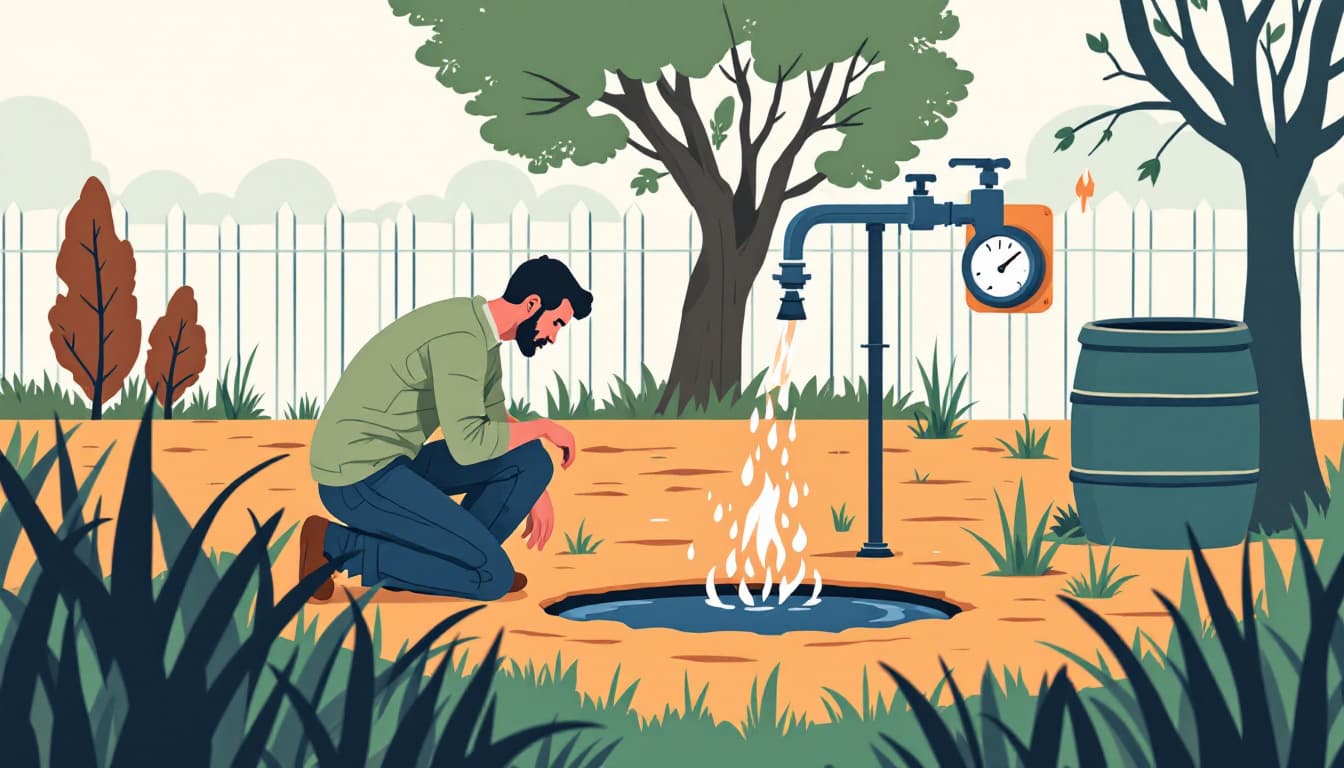
Check whether your home is on a well or municipal water, and if it's a well, find out when it was last measured. Many households on acreage in Douglas, Elbert, Jefferson, and El Paso counties don't know their static water level or what a 10-foot drop in the water table would mean for their pump. The Colorado Division of Water Resources has a free well log database. Pull your permit number, find the original drilled depth, and call a licensed well driller for a current measurement if the log is more than five years old. A dry well in August with no warning is a genuine emergency; one you saw coming is a manageable project.
Store a minimum of two weeks of drinking and cooking water before August ends. The standard guidance — one gallon per person per day — is a floor, not a target. A family of four needs at minimum 56 gallons for two weeks of drinking and cooking alone; sanitation and cleaning push that to double. Food-grade 5- or 7-gallon jugs are available at most hardware stores for under $15 each, and they stack. Fill them from tap, add a few drops of unscented bleach per gallon, and rotate them annually. This costs under $100 and solves the first 14 days of a water disruption before you have to make harder decisions.
Identify your nearest potable water fill station now, not when you need it. Colorado's rural counties and some municipalities operate water fill stations that the public can use. Many ranchers hauling water use commercial fill stations near feedlots. Search "[your county] + potable water fill station" and drive to it once, noting hours and cost per gallon. Write the address in your household emergency binder. This is the rancher's solution translated to suburban use.
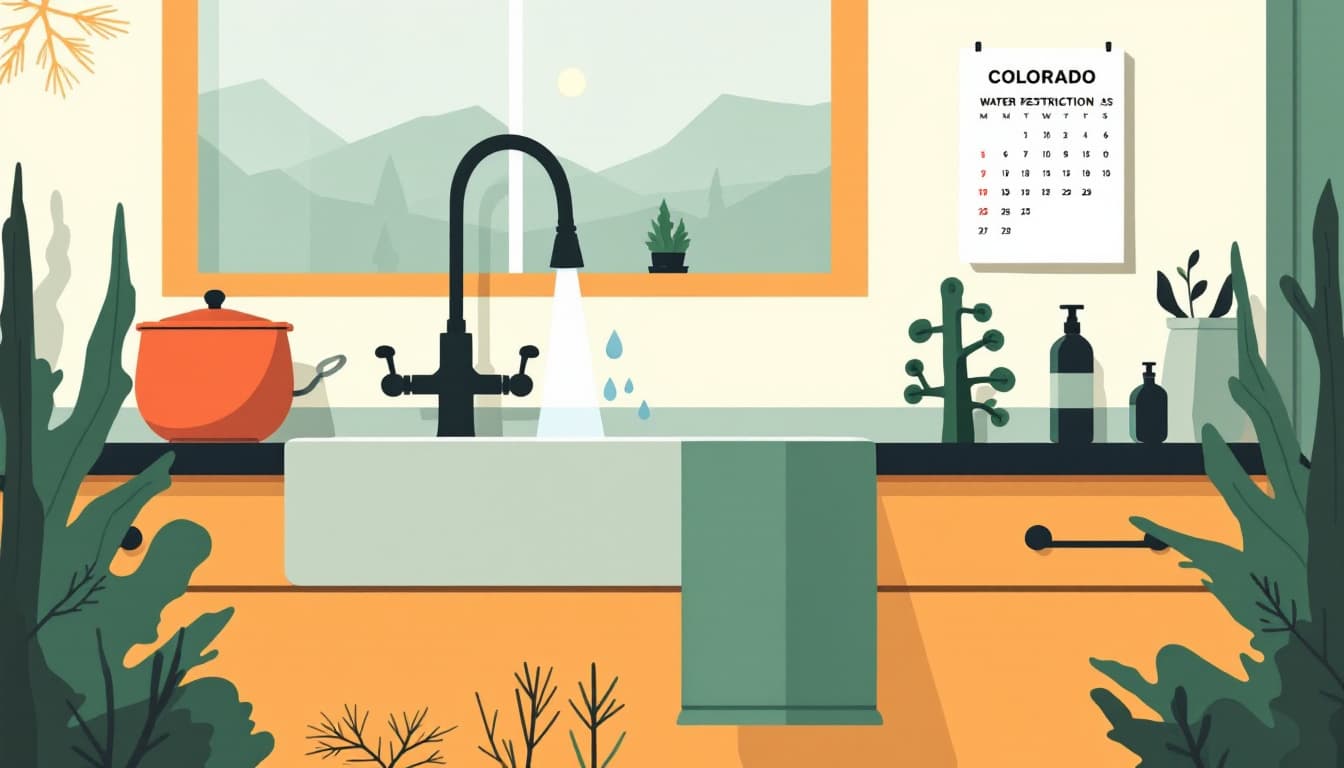
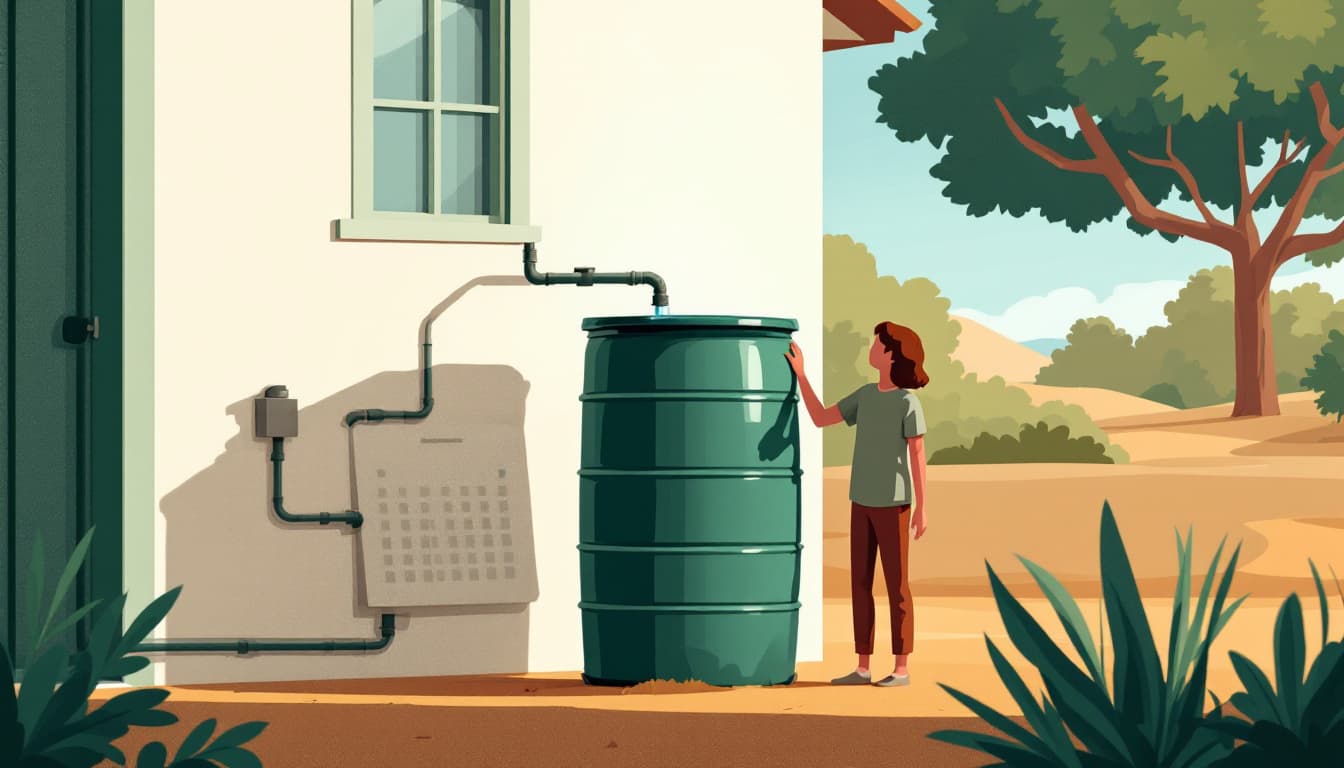
If you have outdoor storage or irrigation infrastructure, inspect it for leaks before the next rain. Drought years are also when municipal water utilities implement tiered pricing and Stage restrictions. Colorado's larger utilities — Denver Water, Colorado Springs Utilities, and others — have published drought response plans online. Look up which stage triggers mandatory restrictions in your service area, and do the easy conservation work now: fix dripping hose bibs, check irrigation controller schedules, replace worn gaskets. Each of these is a 20-minute task.
The bigger picture
What the ranchers in The Cool Down report are doing is not dramatic. They woke up, found the pond dry, made a plan, and went to work. No panic, no catastrophizing — just a logistics problem with a temporary fix while they manage for the longer term. That is exactly the posture a prepared household should have.
Colorado's water picture is not going to resolve in a single wet winter. The infrastructure, legal frameworks, and aquifer recharge timelines run on decade-long cycles. What resolves quickly is whether your household has two weeks of water, knows where the backup source is, and has taken 30 minutes to understand whether your water comes from a mountain reservoir or a hole in the ground. Start there.