A CBS News report this week flagged what Colorado's Front Range residents are already feeling in their cars and on their patios: the state is flirting with 100-degree readings that could break long-standing records. Denver's elevation — sitting at 5,280 feet — does not protect against heat the way many residents assume. The thinner air dries out faster, UV intensity runs higher than at sea level, and evaporative cooling loses effectiveness when dew points climb.
That last point matters for household planning. Much of Colorado was built around swamp coolers — whole-house evaporative systems that are cheap to run but fail exactly when you need them most. When relative humidity rises into the 30–40% range during a monsoonal push, those units struggle to drop indoor temps meaningfully. If you're relying on one and the forecast shows both heat and humidity, you may be running a fan that's only moving warm, damp air.
What's actually changing
Triple-digit heat in Colorado is not new, but the combination of duration, overnight lows, and grid load is worth paying attention to. When nights stay warm — say, lows in the mid-60s across the metro — homes built with minimal insulation don't recover overnight. You start each day with a warmer baseline. Over three to five days, that compounds.
Xcel Energy, which serves the majority of Front Range households, has historically issued conservation alerts during multi-day heat events. Those alerts sometimes precede rolling reductions in service, particularly in older distribution neighborhoods. The risk isn't a Hollywood blackout — it's a voltage sag or a localized outage lasting four to twelve hours during peak afternoon demand. That's enough to warm a refrigerator, knock out a CPAP, or strand someone who depends on powered medical equipment.
Rural Colorado faces a different problem. Mountain and western slope communities — think Grand Junction, Pueblo, and the San Luis Valley — have fewer cooling centers, longer distances to emergency services, and more elderly residents living alone. The Colorado Department of Public Health and Environment maintains a list of cooling centers statewide, but that resource is only useful if someone knows about it before they need it.
What we'd actually do
Audit your cooling system this afternoon, not Thursday. Evaporative cooler pads degrade over a season. If yours haven't been replaced this summer, water is channeling around dry spots rather than saturating the media. A set of replacement pads runs $20–$40 at most Colorado hardware stores and takes 20 minutes to swap. If you have central AC, check that your condenser coils outside are clear of debris — a clogged condenser in 100-degree heat works twice as hard and can trip a thermal shutoff.
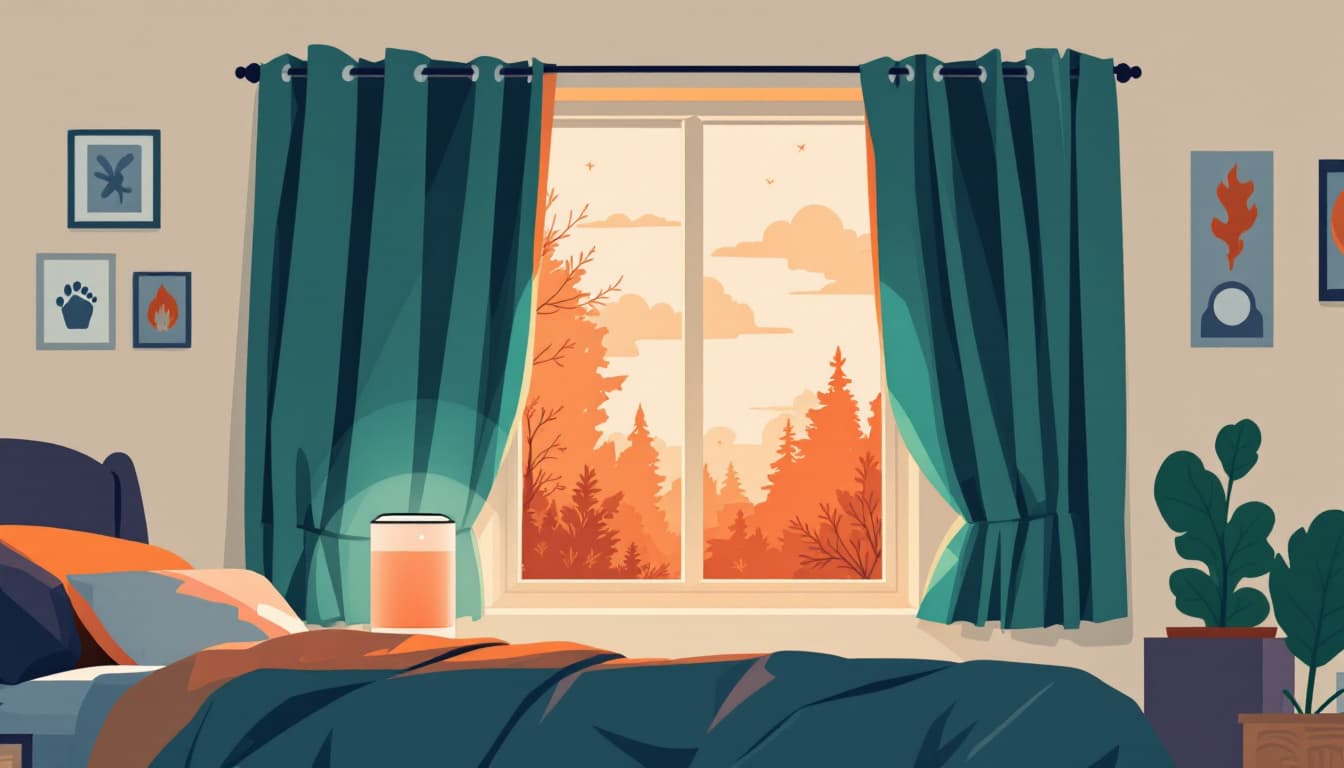
Identify one room you can keep genuinely cool. You don't need to cool the whole house. Pick the room with the least window exposure to afternoon sun (usually north-facing), hang blackout curtains or tape emergency mylar over west-facing glass, and move a mattress or sleeping pads there. This is the room where anyone vulnerable — elderly relatives, young children, pets — spends the afternoon hours. A single window AC unit in one room costs less than an ER visit.
Fill your freezer before the weekend. A full freezer holds its temperature significantly longer than a half-empty one during an outage. Fill gallon zip-lock bags with water and pack the gaps. Those become ice packs for a cooler if power goes down, and they extend your food-safe window from roughly four hours to closer to twelve in a well-insulated unit.
Know your neighbor's situation. Heat mortality in Colorado, as in most states, disproportionately affects people living alone over 65. A two-minute check-in — a knock or a text — on Wednesday before the weekend peak costs nothing. If you live in a HOA community or apartment building, a group text chain seeded now takes less than five minutes and can be the difference between someone asking for help early versus not at all.
Have a fallback location confirmed. Libraries, REI flagship stores, large grocery stores, and community recreation centers all run serious HVAC. The Denver Public Library system and many Jefferson County rec centers explicitly open as cooling centers during heat emergencies. Know your nearest option before Saturday, not during it.
The bigger picture
Colorado households tend to underestimate heat risk because the state's identity is tied to mountains, snow, and cool summers. That association is real but seasonal. The Front Range in late July is a high-altitude semi-arid basin with a dark asphalt grid, and it gets hot. The preparation here isn't about catastrophe — it's about keeping your household functional through a long weekend so you're not making expensive reactive decisions on Sunday afternoon when stores are picked over and HVAC repair queues are three days out.
Durability looks like a cool room, a full freezer, and a neighbor who knows you're paying attention.