The South Platte basin has been running below normal snowpack for back-to-back winters. As of this month, large portions of Colorado are in some stage of drought, and municipalities are making real-time decisions about water allocation. Golden's response — reported this week by CBS News — is to give residents free access to a digital platform that tracks household water use in near-real time, letting homeowners catch leaks and over-irrigation before they show up on a bill or a shutoff notice.
That's a reasonable tool. It's also available to roughly one small city's worth of people.
What's actually changing
Colorado's water situation is structural, not seasonal. The Colorado River Compact, now over a century old, allocated water based on flow estimates that were optimistic even at signing. A decade of below-average precipitation has exposed that math. Cities along the Front Range are not facing an immediate crisis — reservoirs like Dillon and Carter Lake have buffers — but agricultural users, rural wells, and unincorporated households on smaller water districts are already seeing restrictions and in some cases curtailments.
What Golden is doing reflects a broader shift: utilities are trying to push monitoring responsibility to the household level because they don't have the infrastructure staffing to catch every leak or every customer running sprinklers at noon. The city is essentially asking residents to be their own first line of detection. That's not a bad ask. It just stops at city limits.
If you're in Colorado Springs, Pueblo, Durango, Fort Collins, or anywhere on a rural water co-op, you don't get a free dashboard. You get a bill — often 60 days after the problem started.
What we'd actually do
Check whether your utility already offers a monitoring tool. Many Front Range water utilities — including Denver Water and Colorado Springs Utilities — already provide consumption dashboards through their customer portals. Log in, find your usage history, and set up an alert threshold if the option exists. This takes 15 minutes and costs nothing. Most households that have done this find at least one month where usage spiked for no obvious reason.
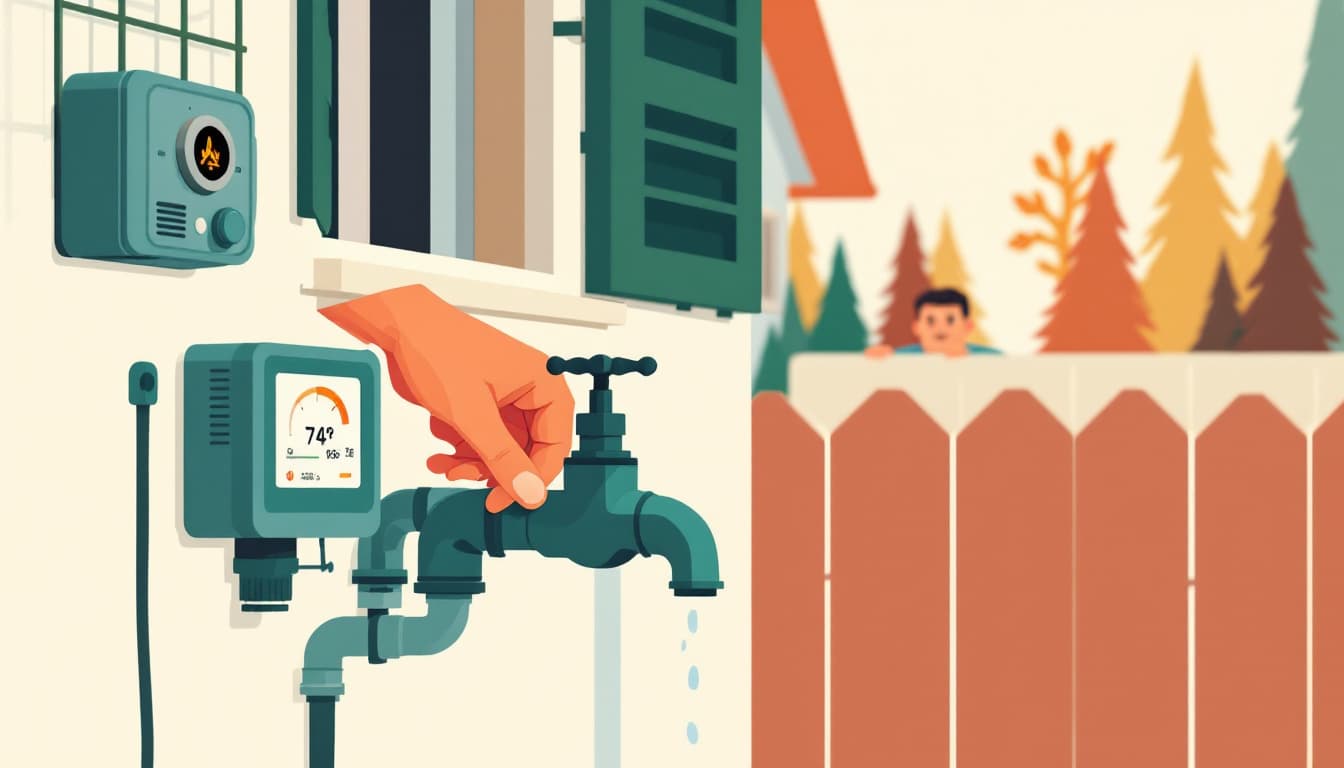
Install a simple leak detector at your main shutoff. Battery-powered water sensors (under $20 at most hardware stores) placed near your water heater, under sinks, and at your main shut-off give you an audible alert within seconds of a slow leak developing. A dripping toilet flapper that goes unnoticed for a billing cycle can waste thousands of gallons. In drought-stage restrictions, that also means fees or violations. The sensors pay for themselves the first time they catch something.
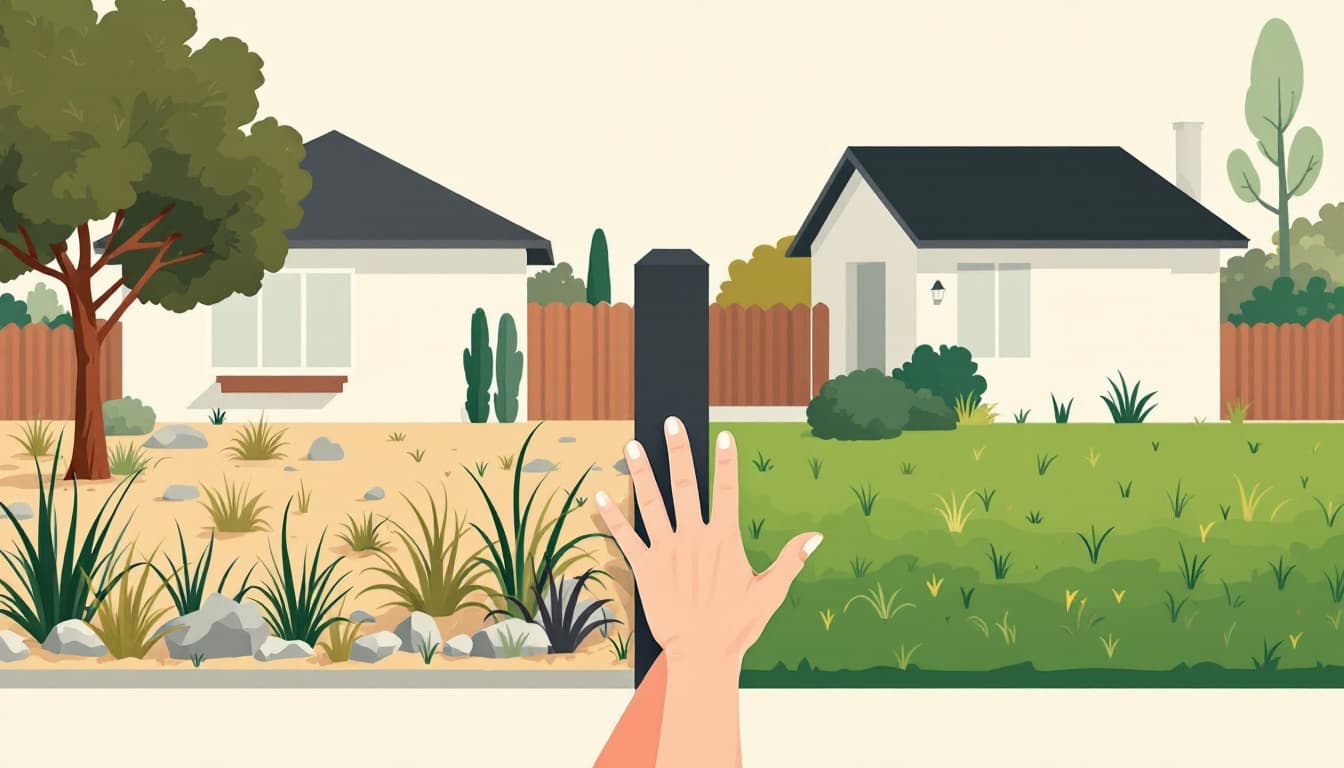
Time your irrigation and cut the midday window. Colorado's high-altitude sun and low humidity mean water evaporates fast from 10 a.m. to 6 p.m. Shifting irrigation to before 8 a.m. or after 7 p.m. reduces evaporative loss by a meaningful margin without reducing coverage. Most programmable timers cost under $30. If your HOA or municipality hasn't already mandated this, get ahead of it — restrictions tend to arrive faster than residents expect once a Stage 2 drought is declared.
Know your water district's drought stage protocol — before it's declared. Every water utility in Colorado is required to have a drought response plan. Most are public documents. Find yours (search "[your city] drought response plan"), read the Stage 1 and Stage 2 restrictions, and note which uses get curtailed first. Outdoor watering is always first. Knowing the schedule means you can adapt your landscaping or storage strategy now, rather than scrambling when the notice arrives.
Store a minimum 72-hour water supply, and make it rotating. This is not catastrophizing — it's basic continuity planning. A main break, a contamination event, or a temporary curtailment can interrupt tap water for 24 to 72 hours without advance notice. One gallon per person per day is the standard figure. Store it in food-grade containers, label with fill dates, and rotate every six months. A family of four needs about 12 gallons. That's two standard water storage containers from any sporting goods store.
The bigger picture
Golden made a smart, low-cost decision that helps its residents act on information they couldn't otherwise access. The households that don't live in Golden — which is most of Colorado — need to build that monitoring function themselves. That's not difficult. It's about 90 minutes of setup and about $50 in hardware.
Drought conditions tend to escalate unevenly: slow for months, then a declaration arrives and restrictions tighten inside two weeks. The households that hold up best aren't the ones with the most gear. They're the ones who already understand their baseline — how much water they use, where it goes, and what they'd cut first.
That knowledge is available right now, for free or close to it.