A homeowner in Superior, Colorado, is facing HOA fines for letting their grass go brown — in the middle of what state water managers are calling a historic drought. KUSA.com reported the story this week, and while the HOA angle makes for easy outrage, the more important signal is buried underneath it: Front Range households are entering a summer where the tension between legal obligations, water supply limits, and rising utility costs is becoming genuinely unmanageable.
What's actually changing
Colorado's drought conditions in 2026 are not a routine dry summer. The Colorado Water Conservation Board has flagged reservoir storage across multiple basins running well below historical averages. The South Platte basin, which serves the Denver metro and suburban communities like Superior, Boulder, and Longmont, has seen consecutive low-snowpack winters that compound year over year.
Water providers along the Front Range have moved through tiered restriction stages faster than they have in recent memory. Some districts are already at Stage 2 or Stage 3 restrictions, which prohibit or sharply curtail outdoor irrigation on prescribed schedules. That puts homeowners in an impossible position: violate their water district's conservation mandate, or violate their HOA's landscaping covenant.
This isn't a paperwork problem. It reflects a real structural mismatch. HOA governing documents were written in decades when Colorado water was abundant enough that a green lawn in July was a reasonable expectation. That assumption no longer holds in many parts of the state, and the legal frameworks haven't caught up. Colorado does have statutes that address HOA authority over water-efficient landscaping, but enforcement is inconsistent, and most homeowners don't know the law well enough to push back.
Meanwhile, water rates are rising. Denver Water and other Front Range utilities have approved rate increases in recent years tied specifically to drought resilience infrastructure. Households watering to HOA standards during a Stage 2 restriction aren't just risking a fine from the city — they're running up utility bills that will likely increase again next billing cycle.
What we'd actually do
Find out exactly what stage your water district is in, in writing. Call your provider or pull the current restriction level from their website, then screenshot it and date it. If you're in a district under Stage 2 or Stage 3, that document is your legal backstop if an HOA issues a violation. Colorado law generally protects homeowners who let landscaping go dormant to comply with government-mandated water restrictions — but you need to be able to prove you were acting under a mandate, not just neglect.
Request a drought exemption or waiver from your HOA in writing before your grass turns brown. Most HOA boards have variance processes they rarely advertise. A written request, citing your water district's current restriction stage and the specific Colorado statute protecting water-efficient landscaping choices, creates a paper trail and often ends the dispute before it starts. If your board ignores a written request, that changes your legal footing significantly.
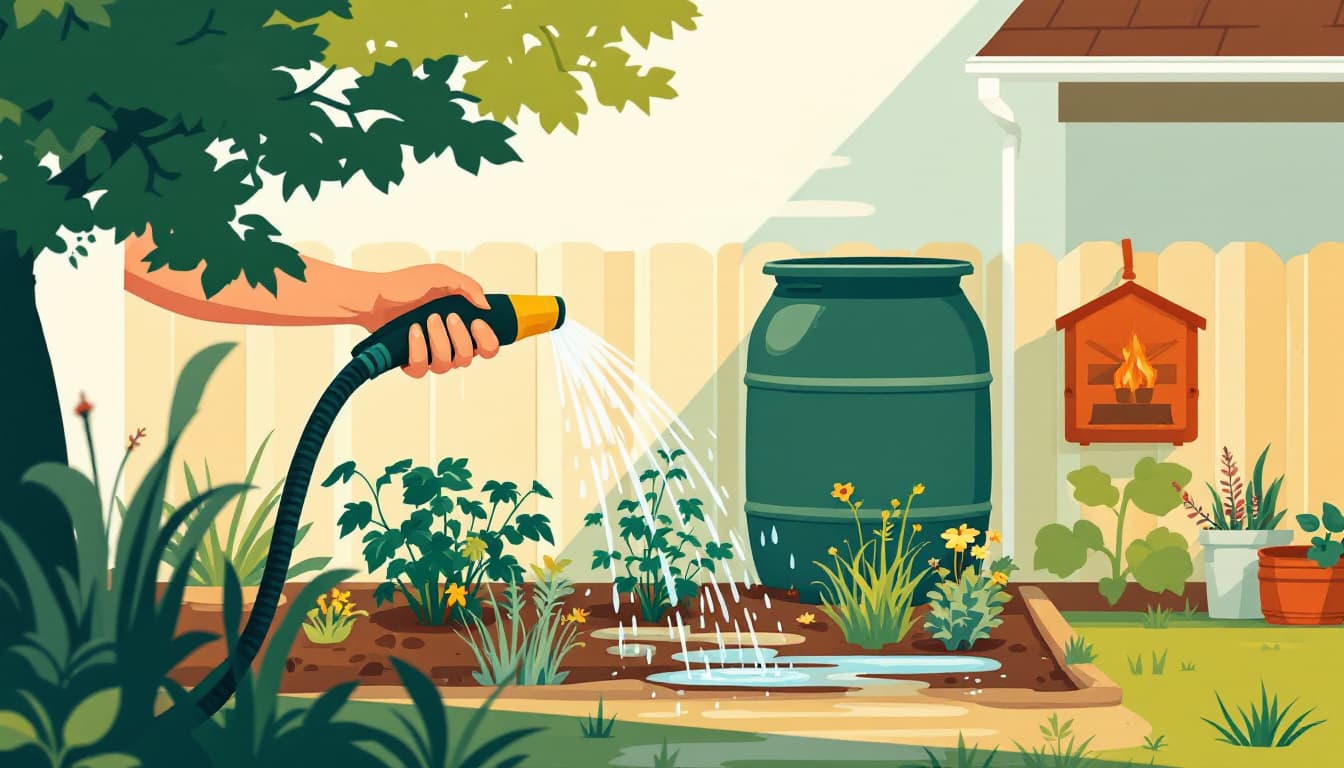
Shift any remaining outdoor water use toward trees and food plants, not turf. Grass recovers from dormancy. A 15-year-old shade tree or a vegetable garden will not. If you're rationing outdoor water, turf goes brown first. Drip irrigation on a timer is more efficient than any sprinkler system and typically allowed even under strict restrictions because of its low gallon-per-hour output.
Audit your indoor water use now, before summer peak. The cheapest water conservation move is replacing toilet flappers and faucet aerators — combined cost under $30, combined savings potentially significant on a tiered rate structure where the top tier can cost three to four times the baseline rate per gallon.
Know the difference between your water district and your municipality. In Colorado, these are often separate entities with separate rules. Superior is served by a combination of municipal water and district water depending on the neighborhood. Knowing which entity governs your service, and what stage they're in, matters more than any general advice about "saving water."
The bigger picture
The Superior HOA story will probably resolve the way these stories usually do: some version of common sense prevailing after enough public pressure. But the underlying condition — a drought that is stressing Colorado's water infrastructure in ways that will outlast this summer — is not resolving. Households that build durable habits now, understand their water provider's restriction framework, and reduce outdoor water dependency gradually over time will face fewer emergencies and lower bills across the next several years. The goal isn't to panic about drought. It's to stop being surprised by it.