A KKTV report this week highlighted what Colorado's ongoing drought emergency means for summer water recreation — boat ramps closing early, river flows too low for rafting, reservoirs drawing down ahead of schedule. The story is framed around what you can't do on the water this summer.
That framing misses the part that matters for households.
What's actually changing
Colorado's drought conditions in 2026 are not a single-summer anomaly. The state's water managers have been issuing drought advisories covering large portions of the Arkansas, Colorado, and South Platte river basins. When reservoirs drop, the consequences ripple well past canceled float trips.
Municipal water systems across the Front Range draw from snowpack and reservoir storage. When both run below normal by mid-June — which is already the case across much of the state this year, according to the Colorado Water Conservation Board's monitoring data — utilities begin moving through Stage 1 and Stage 2 conservation measures faster than residents expect. Stage 2 in most Front Range municipalities means mandatory odd/even watering schedules and restrictions on vehicle washing. Stage 3 means bans on outdoor irrigation and potential pressure reductions. Some smaller Western Slope communities have moved to Stage 3 before August in previous drought years.
The other factor households underestimate: drought emergencies tend to overlap with wildfire smoke events that temporarily affect tap water quality in communities on certain surface-water systems. That is not a reason to panic-buy, but it is a reason to have a plan before you need one.
What we'd actually do
Know your utility's current drought stage. Call or visit your municipal water provider's website and find out which stage they're currently operating under and what triggers the next one. Most Colorado utilities post this publicly; many do not alert customers proactively until mandatory restrictions are already in force. Knowing the trigger conditions lets you get ahead of restrictions, not just react to them.
Denver Water, Colorado Springs Utilities, Aurora Water, and most smaller co-ops publish their drought response plans online. Find yours. Read the Stage 2 and Stage 3 conditions. Write the customer service number in your phone.
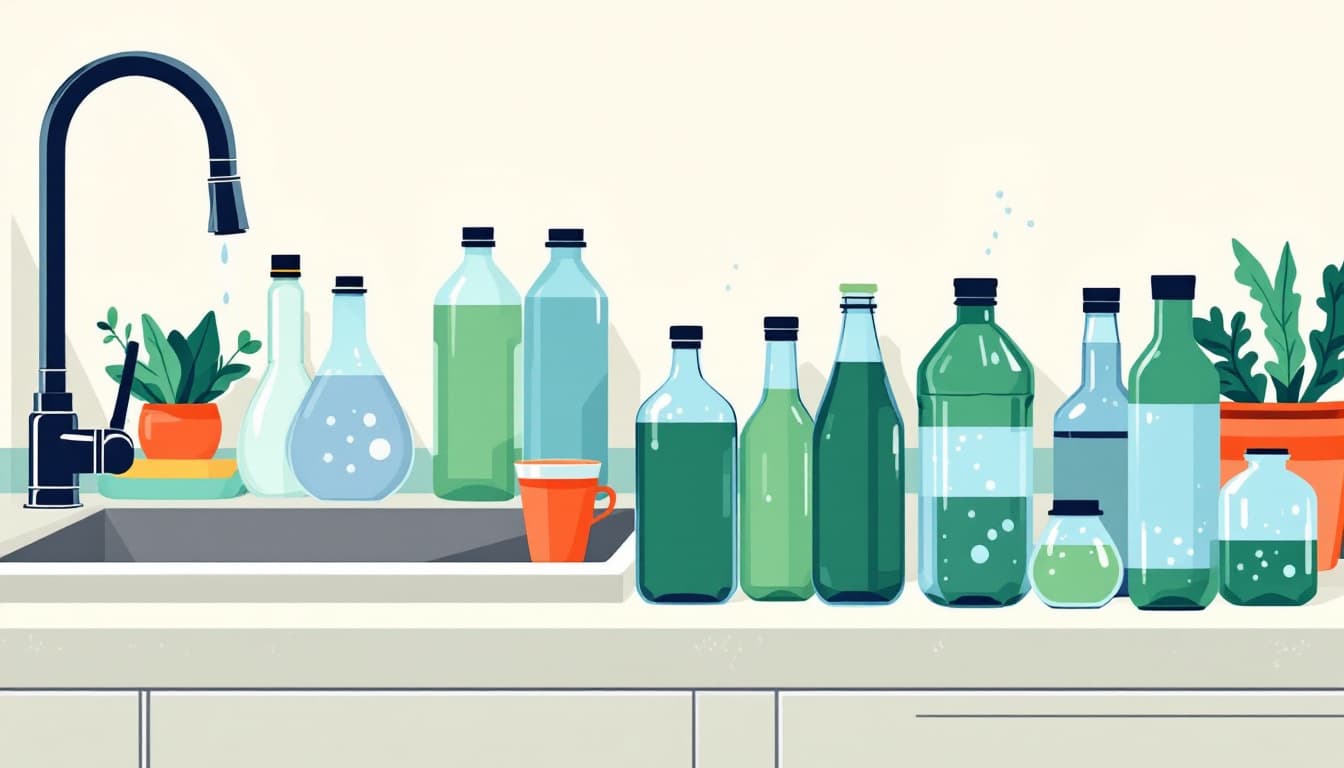
Store a modest, rotating supply of drinking water. The preparedness standard is one gallon per person per day for three days minimum. That's 12 gallons for a family of four — four standard 3-gallon jugs from any grocery store, or a dedicated 15-gallon stackable container from a hardware store. The goal isn't surviving a collapse; it's having breathing room if a pipe repair or a brief water quality advisory means your tap is off for 48 hours. Rotate the supply every six months. Label the date.
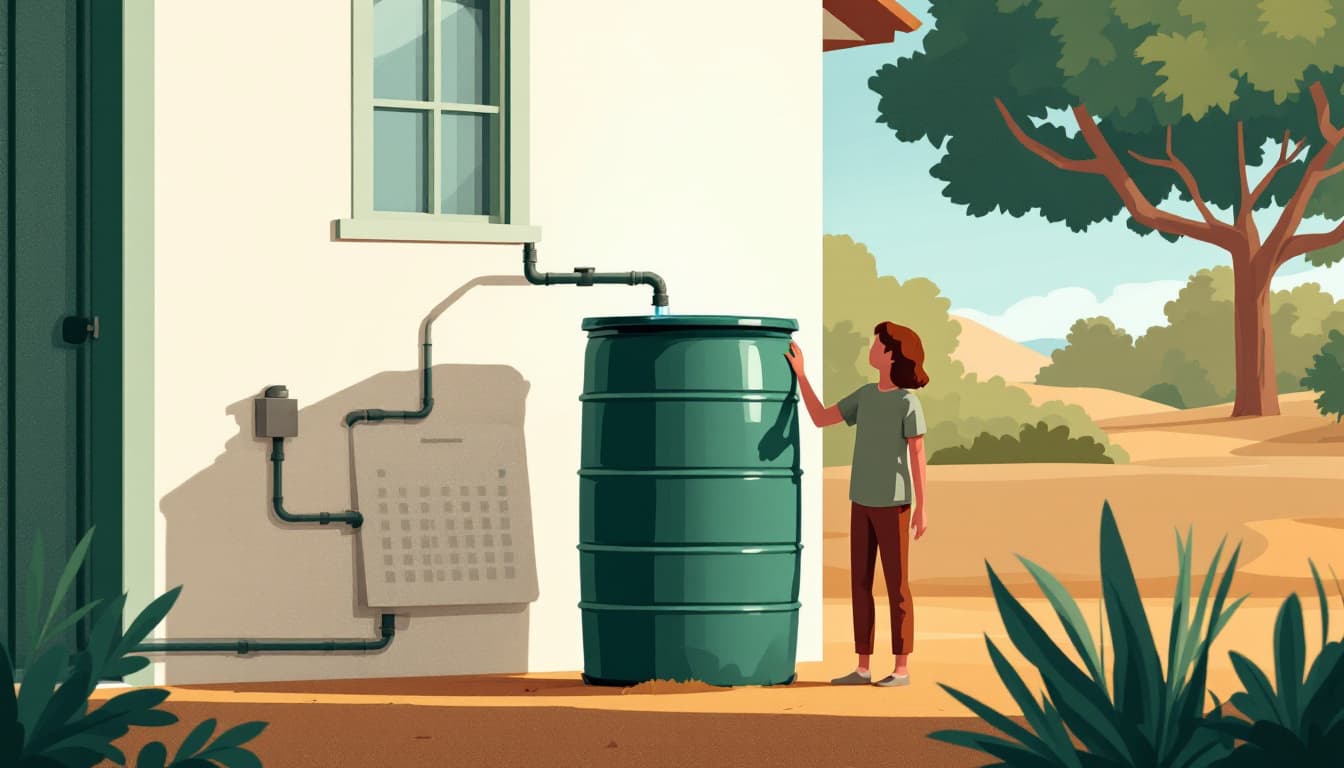
Audit your outdoor water use now, before restrictions force you to. Mandatory outdoor watering bans during a Stage 3 event can kill an unestablished vegetable garden or young trees. If you have recently planted anything, check whether your drip system is calibrated to deep, infrequent watering rather than frequent shallow cycles. Deep watering builds drought-resilient root systems. It also uses less water. This is not a Stage 3 emergency measure; it is sound practice that happens to matter more right now.
Check your water heater and supply line shutoffs. This is unrelated to drought but adjacent to the same household logic: if water pressure fluctuates due to system-wide conservation measures, older water heaters and supply lines are more likely to spring a slow leak. Know where your main shutoff is. If you've never touched it, test it.
Talk to your neighbors with shared irrigation or well systems. Rural and semi-rural Colorado households on shared wells or irrigation ditches face a different but more acute version of this problem. Ditch water rights are administered by priority — senior rights holders get water first. If you don't know your priority date or how your ditch company handles shortage allocations, this summer is the time to find out. Contact your local water conservancy district.
The bigger picture
Colorado has always been a water-scarce state managing a complicated allocation system. The 2026 drought emergency is a signal to pay attention, not a reason to restructure your life. Households that do the basics — know their system, store a small buffer, and reduce waste before it becomes mandatory — handle these summers without much disruption. Households that ignore the signals until Stage 3 gets declared spend August scrambling.
Durability looks like a 15-gallon water container in the garage and a utility phone number in your contacts. That's it for this week.