The air quality index in Sacramento hit hazardous levels on multiple days during the last two major fire seasons. If you missed the alerts or waited until smoke was visible inside your home, you were already behind.
A report this week from KQEN News Radio signals that federal legislators are pushing to expand and improve the government's wildfire smoke response infrastructure. That's worth tracking. But federal policy moves slowly, and California's fire season does not wait for legislation to clear committee. The gap between what agencies can offer and what your household actually needs is yours to close.
What's actually changing
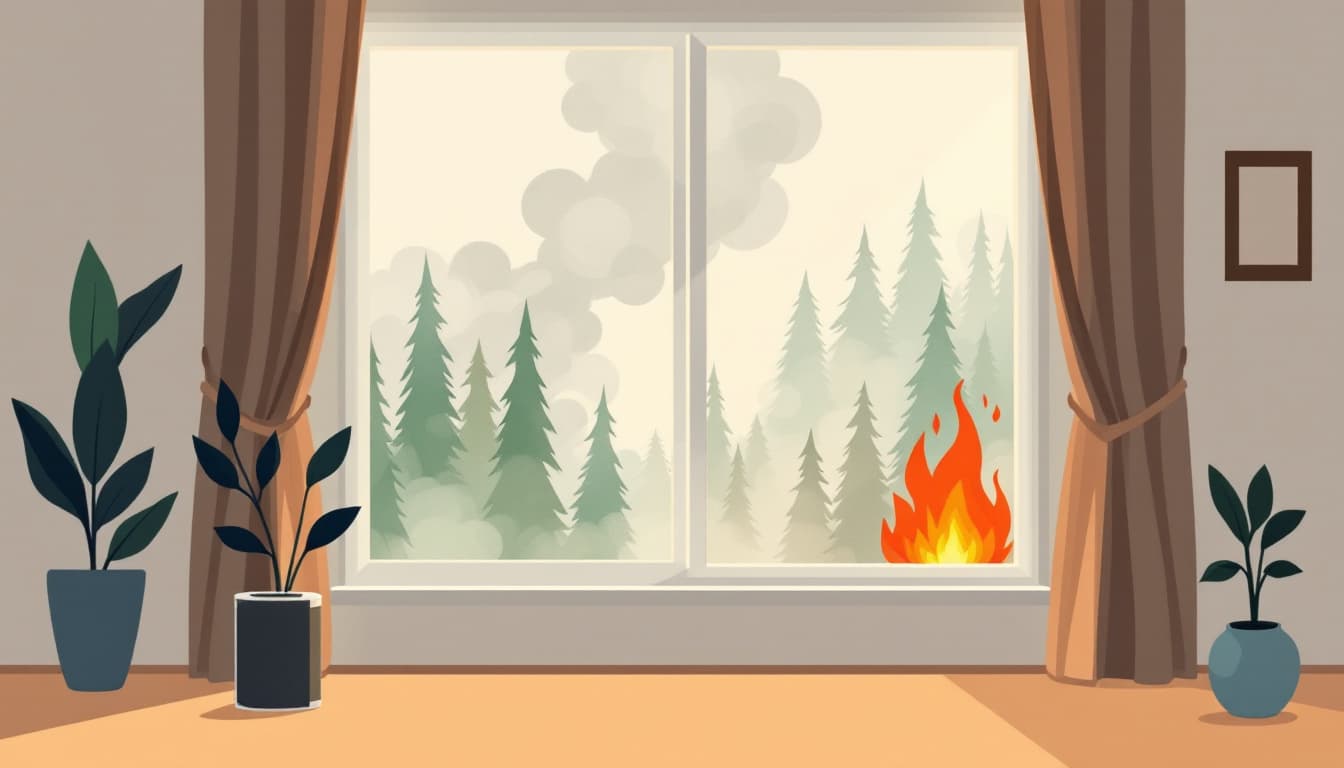
The legislative push is real, and the underlying problem driving it is documented. The California Air Resources Board has tracked a steady increase in the number of days per year that Central Valley, foothills, and coastal communities exceed federal fine-particle (PM2.5) standards during fire events. The smoke is no longer a Northern California problem or a rural problem. The 2025 season pushed unhealthy air into the Bay Area, Los Angeles Basin, and the Inland Empire on overlapping days.
What the proposed federal response would do, in broad terms, is increase monitoring density and expand public health guidance systems. Those are useful. More sensors means earlier warnings. But a better warning system only helps households that are ready to act on the warning. Most are not.
The household failure mode is consistent: families know smoke is bad, they own no air filtration, they don't know their home's actual air sealing quality, and they rely on N95 masks they bought in 2020 that have been sitting in a drawer since.
What we'd actually do
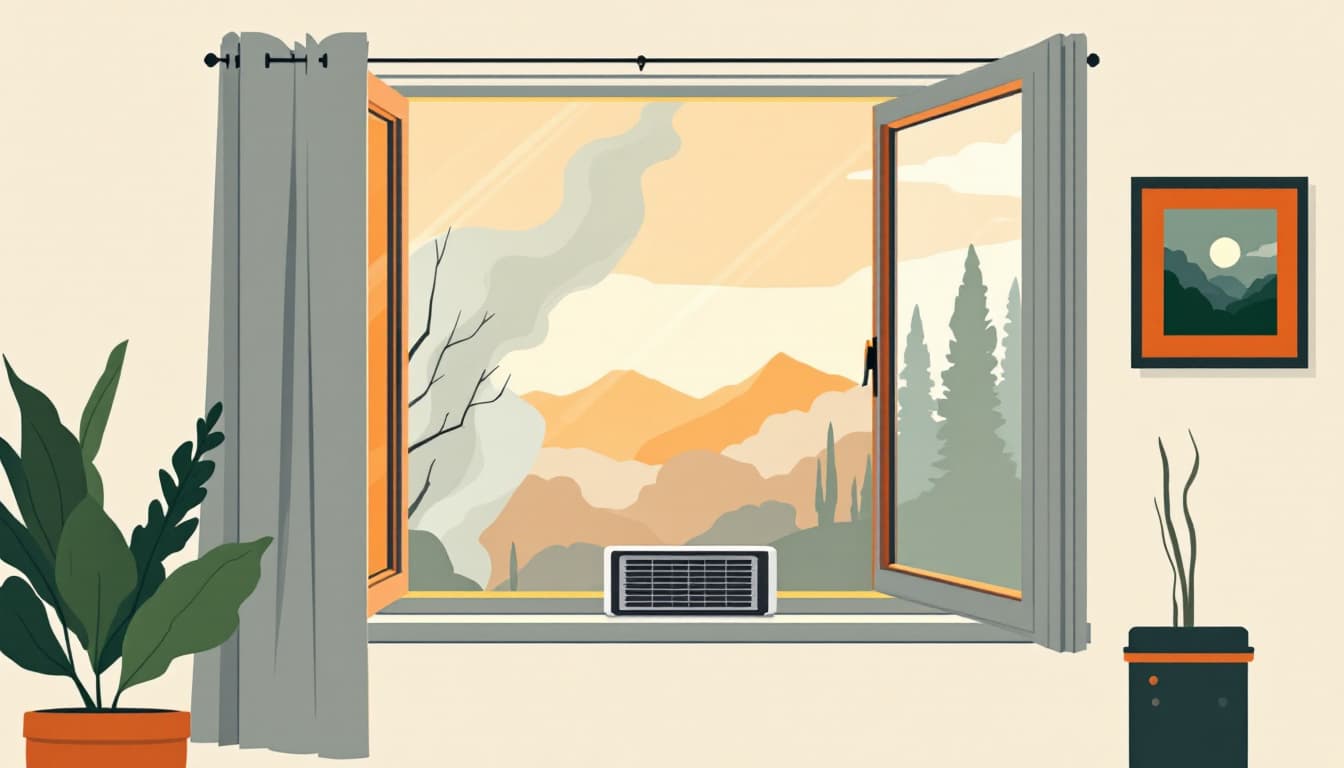
Check your home's air sealing before fire season peaks, not during it. Walk through your house on a windy day and feel for drafts around door frames, window tracks, attic hatches, and fireplace dampers. A closed fireplace damper that doesn't seal is a direct smoke inlet. California's older housing stock — particularly pre-1990 construction common across the Central Valley and foothills — was not built with air quality events in mind. Weatherstripping costs under $30 at any hardware store and cuts smoke infiltration meaningfully.
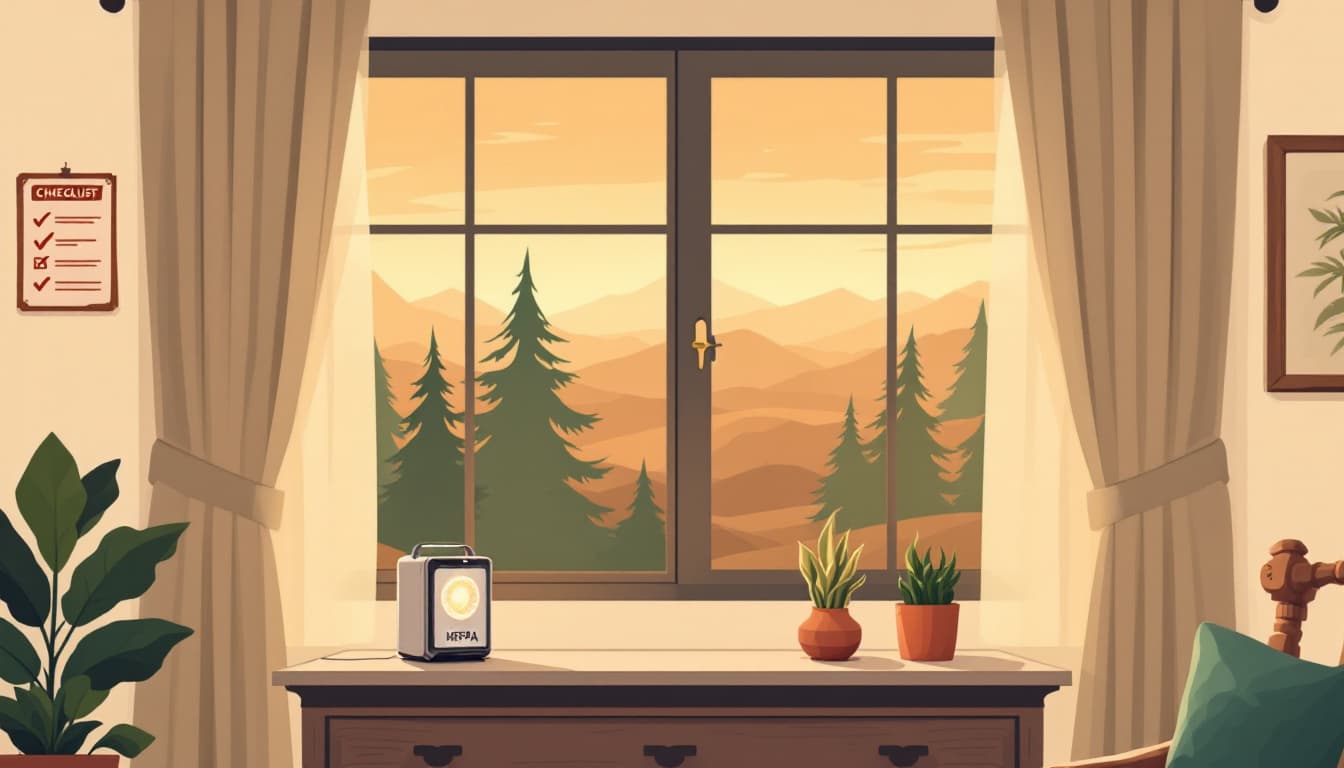
Buy a HEPA air purifier sized for your main living space, and run it before you need it. The sizing matters: a unit rated for 150 square feet will not clean a 600-square-foot open kitchen and living area fast enough to protect you during an AQI-300 event. Look for a CADR (Clean Air Delivery Rate) rating that matches or exceeds your room's square footage. Brands and models change; the CADR number does not lie. California residents can sometimes offset costs through local air district rebate programs — the South Coast AQMD and San Joaquin Valley APCD both run periodic rebate cycles worth checking before you buy.
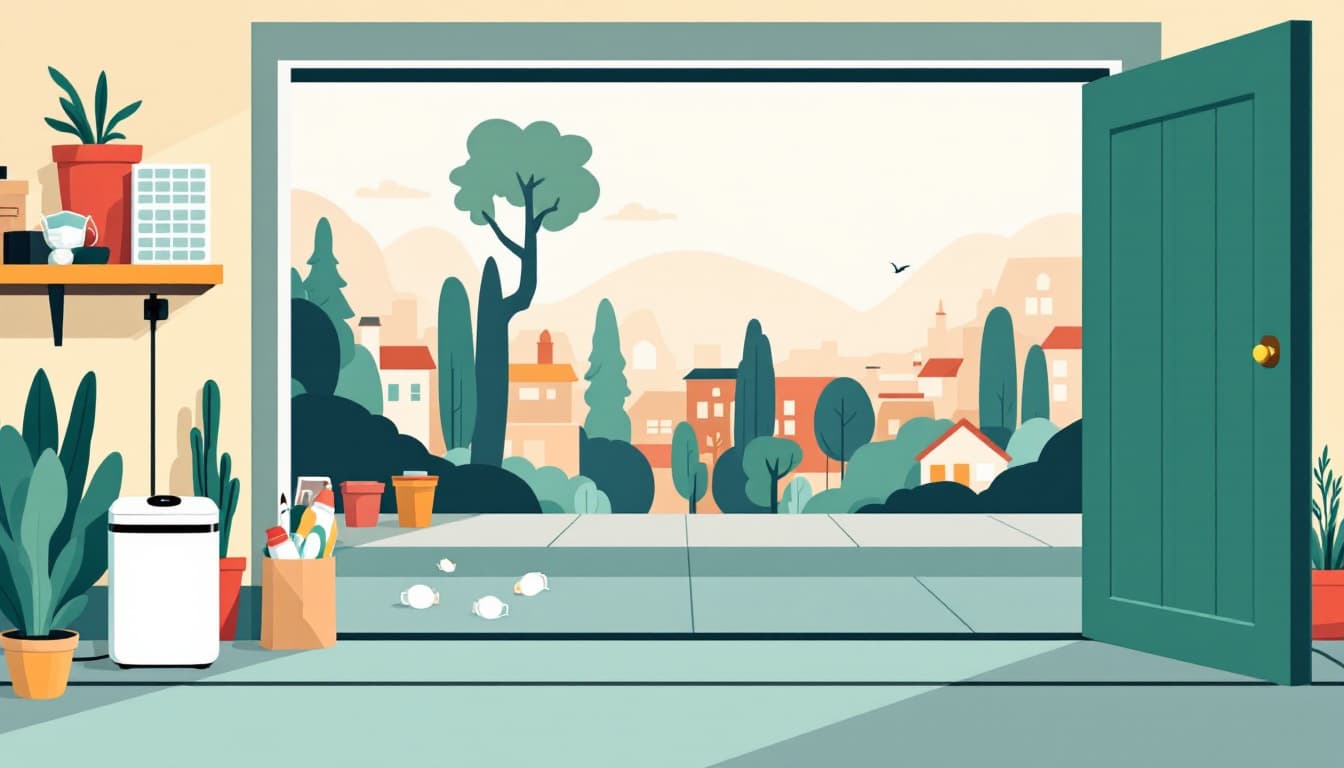
Verify your N95 or KN95 supply is not expired and fits correctly. The mask is only effective if it seals to your face. A beard breaks the seal. An old mask with degraded straps breaks the seal. NIOSH-approved N95 respirators have a shelf life, and most households that bought masks during 2020-2021 are now working from significantly degraded stock. Keep at least four per household member on hand; replace annually.
Set a air quality alert on your phone for your county through AirNow.gov right now. Not a generic weather app. AirNow, operated by the EPA, pulls from the monitoring network California feeds data into and delivers zip-code-level PM2.5 alerts. The difference between a push notification at AQI 100 and finding out at AQI 200 is whether you have time to close the house, run the purifier, and keep the kids inside before exposure accumulates.
Identify one interior room you can seal more completely as a clean-air refuge. Pick a room with fewer windows, no fireplace, and a door you can seal with a damp towel if needed. This is not a bunker — it is a practical way to concentrate your filtration in one space if the whole-house air quality becomes unmanageable.
The bigger picture
Legislators can improve smoke monitoring infrastructure. California's air districts can expand public warnings. None of that changes the basic reality that wildfire smoke enters homes that aren't prepared for it, and most California homes are not. The households that do best in smoke events are not the ones with the best government alerts — they are the ones that acted on last season's lessons before this season started.
Durability looks like a sealed house, a working purifier, and a family that knows the plan. It does not look like a go-bag by the door and a countdown timer.