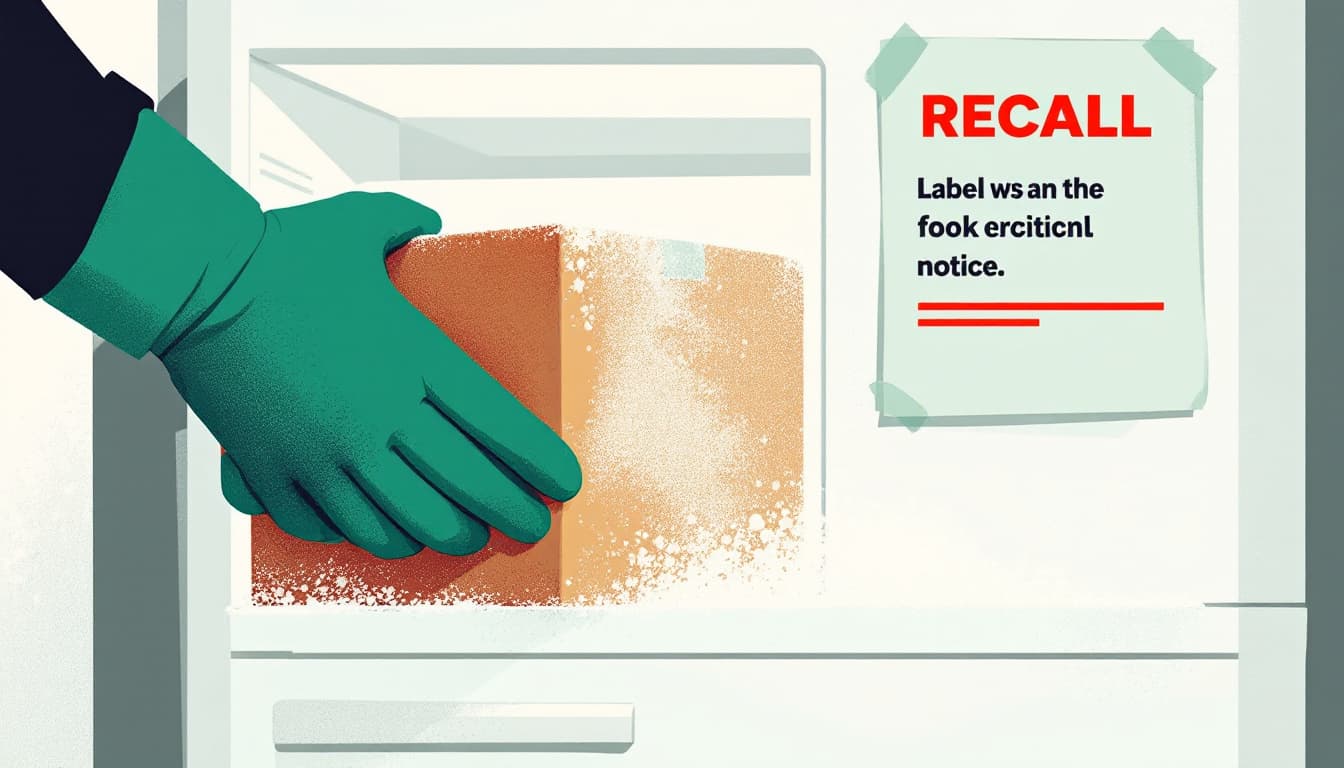
A CBS News report this week confirmed an FDA recall covering 1.6 million cartons of eggs sold at Kroger and other grocery chains over salmonella contamination risk. That number is large enough to matter at the household level, and California has particular exposure: Kroger operates hundreds of stores here under the Ralphs, Food 4 Less, and Foods Co banners. If you bought eggs in the past few weeks at any of those stores, the recall is worth five minutes of your time today.
What's actually happening
Salmonella is not a dramatic threat if you handle eggs correctly, but it kills roughly 400 people in the U.S. every year and hospitalizes tens of thousands, according to CDC estimates. The risk concentrates in two groups: children under five and adults over 65, and anyone who is immunocompromised. If your household includes any of those people, this recall is not a background news item.
The FDA's recall mechanism works like this: a lot code on the end of the carton matches a published list. If it matches, you don't cook the eggs — you return them. The FDA maintains a searchable recall database at fda.gov/safety/recalls-market-withdrawals-safety-alerts. That is the only authoritative source for lot codes. CBS News reported the recall but did not publish a full lot-code list, and neither will we — those lists change as investigations expand, and a static published list here would go stale.
What this recall also signals, separate from the specific cartons involved, is that the industrial egg supply chain has a recurring vulnerability. California's own egg production was reshaped significantly by Proposition 12, which required cage-free housing standards. The state has been drawing more eggs from out-of-state suppliers as local production adjusts, which means more lots traveling longer distances through more distribution points before they reach your Ralphs.
What we'd actually do
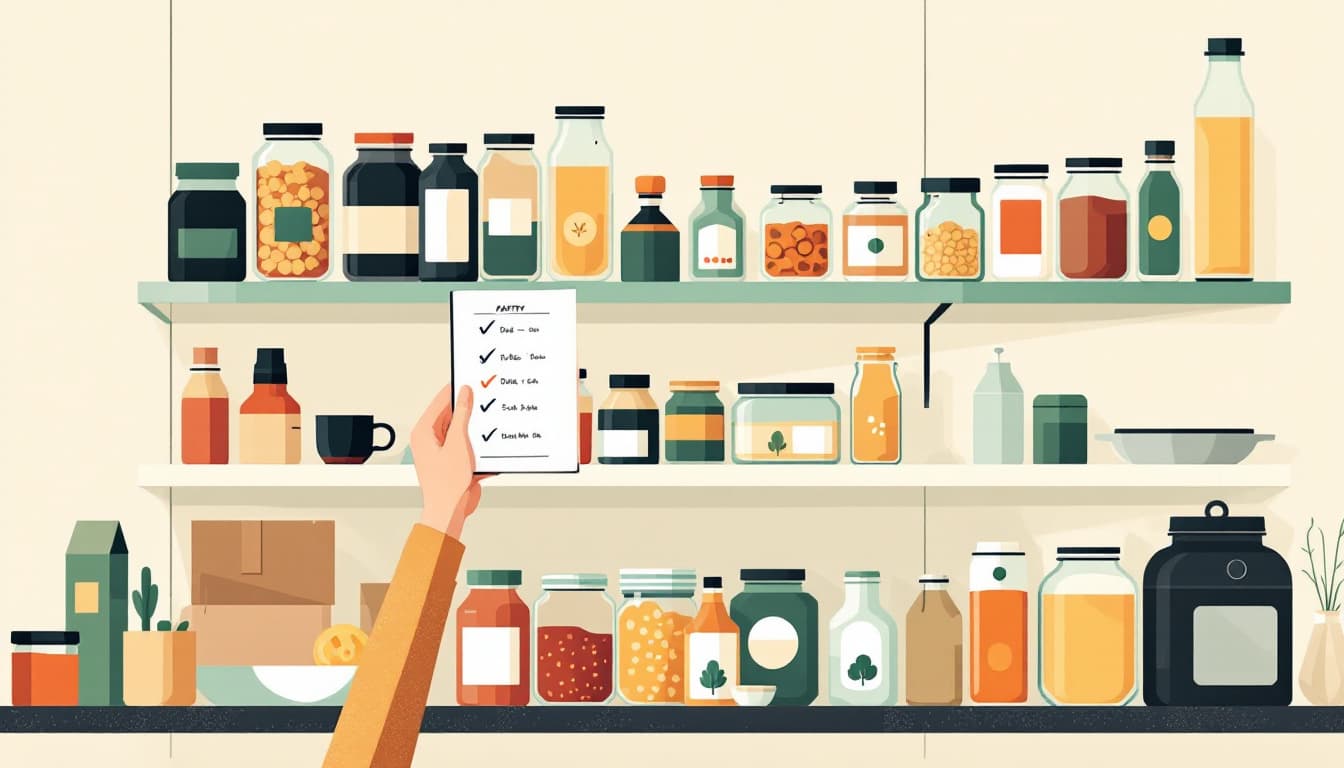
Check the lot codes on any eggs in your refrigerator right now. Pull out the carton, find the lot code and plant number stamped on the end, and run it against the current FDA recall list. This takes three minutes. If you don't have eggs, bookmark the FDA recall page anyway — it's a habit worth building.
The lot code check matters more than the brand name. Recalled eggs move through multiple retail banners under store-brand labels, so "Ralphs eggs" and "Kroger eggs" may share an origin facility. The plant number on the carton is the controlling variable, not the logo on the box. The USDA plant number starts with "P-" followed by a numeric code, stamped near the pack date.
Build a two-week egg rotation with visible date tracking. California kitchens tend to buy eggs weekly because fresh is culturally valued here, but a loose rotation means you often don't know what you have or when you bought it. Put the purchase date on the carton in marker when you get home. Rotate oldest to the front. A minor habit, but it means you'll catch a recalled lot before you've already eaten through it.
Know one egg substitute that works in your household's most common recipes. During the last major recall cycle, eggs disappeared from shelves at multiple Southern California chains within 48 hours of the announcement. Aquafaba (the liquid from a can of chickpeas) works in most baking applications at a 3-tablespoon-per-egg ratio. Ground flaxseed mixed with water works for binding in baked goods. Neither is a full substitute in every context, but knowing one option means a recall doesn't break your meal planning for the week.
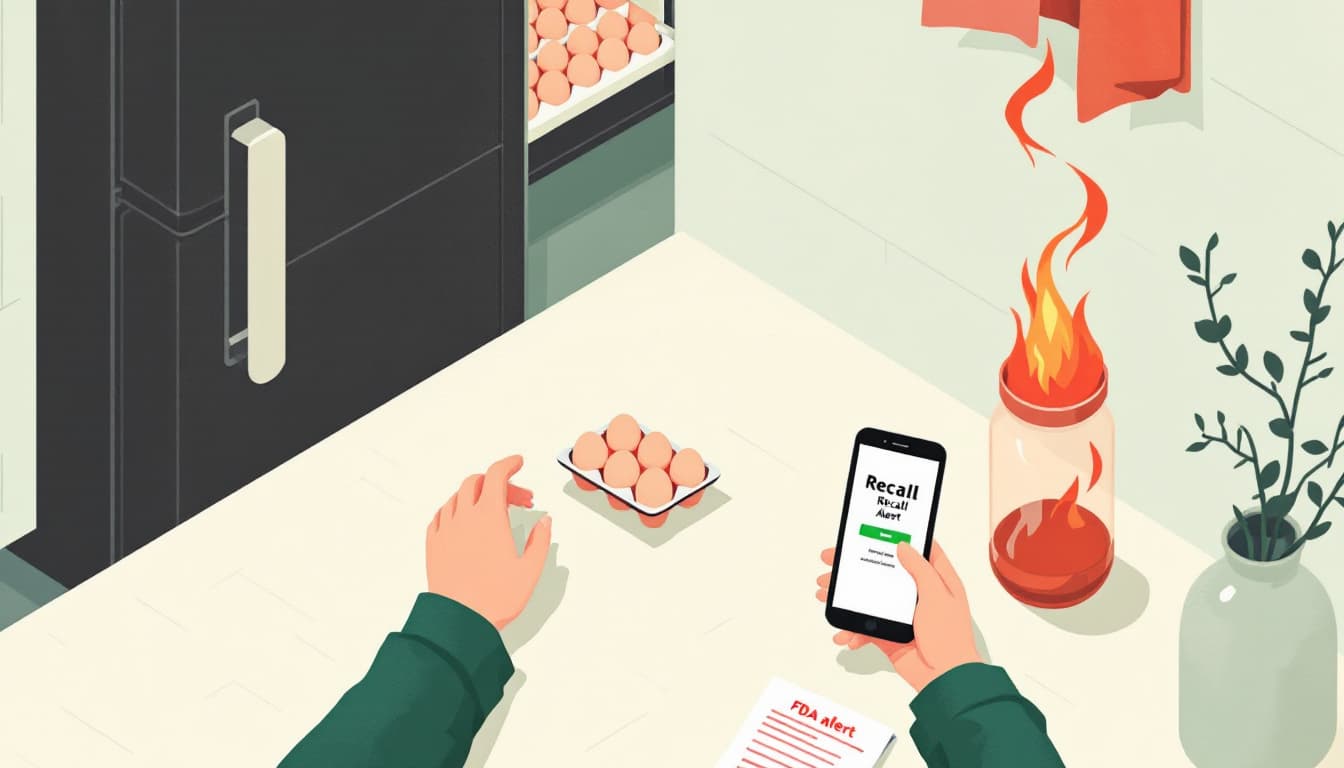
Register your loyalty card for recall alerts. Ralphs and Food 4 Less, like most Kroger-banner stores, can tie purchase history to your loyalty account and send direct recall notifications if a product you bought is pulled. This is actually one of the more useful things loyalty programs do. Go into your account settings and confirm that recall notifications are enabled — they are often off by default.
The bigger picture
Food recalls are not a sign the system is failing. They are, mostly, the system working: a contamination gets detected, a lot gets pulled, public health agencies publish the information. The gap is at the household level, where most families don't have a habit of checking what they bought against what got recalled. That gap is closable with about ten minutes of setup.
California households eat more eggs per capita than the national average, according to recent USDA consumption data, and the state's large elderly and immunocompromised populations mean the stakes of a missed recall are higher than average. The FDA recall page, a marker on the carton, and a notification turned on in your grocery app — that's the whole system. It doesn't require a preparedness overhaul. It just requires doing it this week.