A California drink mix manufacturer recently pulled its beverage powders from shelves over Salmonella contamination concerns, according to a report this week from KRCR. No mass casualties, no headline panic — just a quiet FDA recall notice and a product that may be sitting in your cabinet right now.
That's exactly why it's worth paying attention.
What's actually happening
Salmonella in a dry powder product is not common, but it's not unheard of. The pathogen can survive in low-moisture environments for months. Drink mixes, protein powders, and spice blends have all triggered recalls in recent years for exactly this reason. The California Department of Public Health maintains a recall database, but it's updated reactively — meaning the product is already distributed before the notice goes out.
The KRCR story doesn't name a widespread outbreak. This appears to be a precautionary recall tied to contamination detected during production monitoring, which is how the system is supposed to work. That's a different risk profile than an active outbreak with confirmed illnesses. Still, if you've bought flavored drink powders in the past several months from a California-based brand, it's worth checking the FDA's recall database directly at fda.gov/safety/recalls-market-withdrawals-safety-alerts.
The deeper issue isn't this specific product. It's that most households treating drink mixes as part of an emergency supply have no system for tracking what's been recalled, when something was purchased, or whether a product is still safe to consume.
What we'd actually do
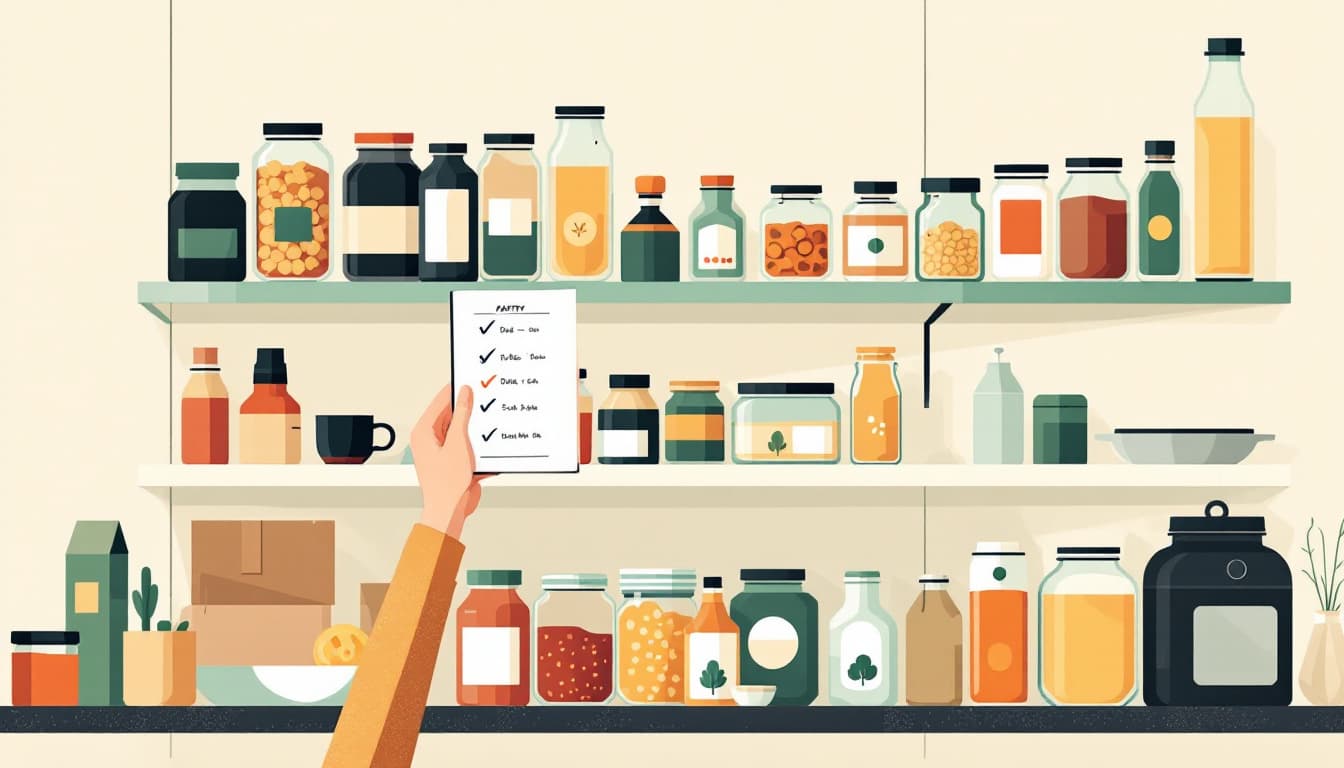
Check your actual pantry this week, not someday. Pull out your drink mixes, protein powders, and any powdered food products. Cross-reference the brand and lot numbers against the current FDA recall list. This takes about ten minutes and requires no gear, no subscription, and no special knowledge. The FDA recall search is filterable by product category.
Subscribe to FDA recall alerts by email. The FDA offers a free email subscription for food safety alerts at fda.gov. Set it to the food and beverage category. You'll get notices directly rather than waiting for a local news outlet to pick up the story. California households who rely heavily on shelf-stable foods — earthquake preparedness stock, camping supplies, kids' sports drinks — have more exposure to this risk than the average household.
Date-label everything that goes into your emergency supply. A piece of masking tape and a marker is the entire system. Write the purchase month and year on the bottom of every container. When a recall drops, you'll know whether you bought the product before or after the flagged production window. Without this, you're guessing.
Treat powdered products differently than canned goods in your rotation. Canned foods are easy to inspect visually and have well-understood shelf lives. Powdered products are harder to assess. They degrade unevenly, can absorb moisture inside a sealed bag, and are among the more common recall categories. If your emergency kit leans heavily on flavored drink powders or powdered meal replacements, audit that stock at least twice a year — not just when a recall makes the news.
Know the difference between a recall and an outbreak. A recall means a potential risk has been identified, often through internal testing or supplier flags, before widespread illness occurs. An outbreak means people are already sick. The appropriate response to a recall is to check whether you have the product and stop using it if you do. The appropriate response to an outbreak is more urgent. California families who understand this distinction won't overreact to one or underreact to the other.
The bigger picture
Food recalls in California are routine. The state's massive agricultural and food manufacturing sector means more products, more production volume, and more recall events than most states see. The CDPH and FDA combined issue dozens of food-related recall notices every month. Most get no coverage at all.
A resilient household isn't one that panics at every recall notice. It's one that has a simple, repeatable system: know what's in your pantry, know when you bought it, and spend five minutes a month skimming the FDA list. That's not prepping. That's just running a household with a small amount of attention.
The goal is not to be ready for the worst. The goal is to not be caught off guard by the ordinary.