Tropical Storm Bertha came ashore in Louisiana this week. Yahoo reported the storm's landfall and flagged heavy rain and flash flooding as likely across broad stretches of the Gulf Coast. That forecast band reaches east — toward the Florida Panhandle and the low-lying Big Bend region, two of the state's most flood-vulnerable stretches of coastline.
Bertha is not a catastrophe story. But the timing matters, and so does the geography.
What's actually changing
Florida's Gulf Coast flooding risk from a storm that makes landfall west of the state is easy to underestimate. The instinct is to watch the storm track and relax when it curves away from your zip code. The problem is that Gulf storms pull enormous amounts of tropical moisture eastward even after landfall. For communities from Pensacola to Apalachicola — and inland counties that sit in low topographic basins — that means multi-day rainfall totals that have nothing to do with where the center touched down.
The Big Bend coast is structurally vulnerable in a specific way. It's a shallow-sloped shoreline with no barrier islands to absorb storm surge. Even moderate storm activity offshore can push water inland several miles. Escambia, Santa Rosa, Bay, and Franklin counties have all seen significant nuisance-to-severe flooding in recent years from systems that technically "missed" Florida.
Flash flooding is the other exposure. NWS forecast discussions for these events routinely flag 4 to 8 inches of rain in 12 to 24 hours for interior Panhandle counties when tropical systems drag moisture across the region. That's the kind of total that overwhelms retention ponds, saturates yards, and turns underpasses into traps.
Flood insurance is worth naming directly here. Standard homeowners policies in Florida do not cover flood damage. FEMA's National Flood Insurance Program requires a 30-day waiting period before new coverage takes effect — meaning if you don't have a policy today, you cannot get one in time for this storm. That's not a scare; it's a policy reality worth knowing before next season.
What we'd actually do
Check your county's flood zone map before the rain starts. FEMA's Flood Map Service Center (msc.fema.gov) lets you enter any Florida address and see its flood zone designation. If you're in Zone A or AE and don't have flood insurance, that's the data point that should drive your next conversation with your insurer — not after Bertha, before the next storm.
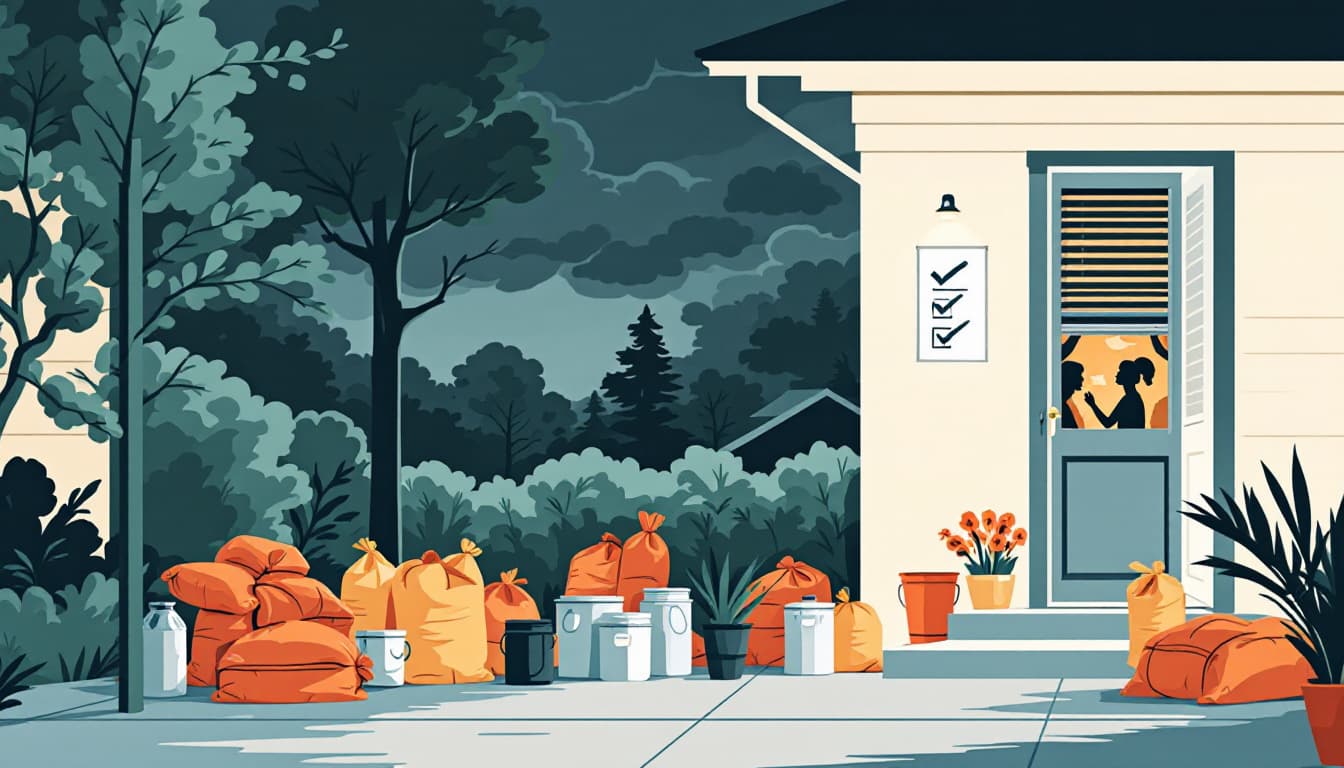
Go room by room and move anything irreplaceable off the floor. This sounds obvious, but most households skip it until water is already at the door. Documents, external hard drives, irreplaceable photos, medications, and small electronics can be moved to an upper shelf or second floor in under 30 minutes. Flood damage to objects is almost never covered by any policy.
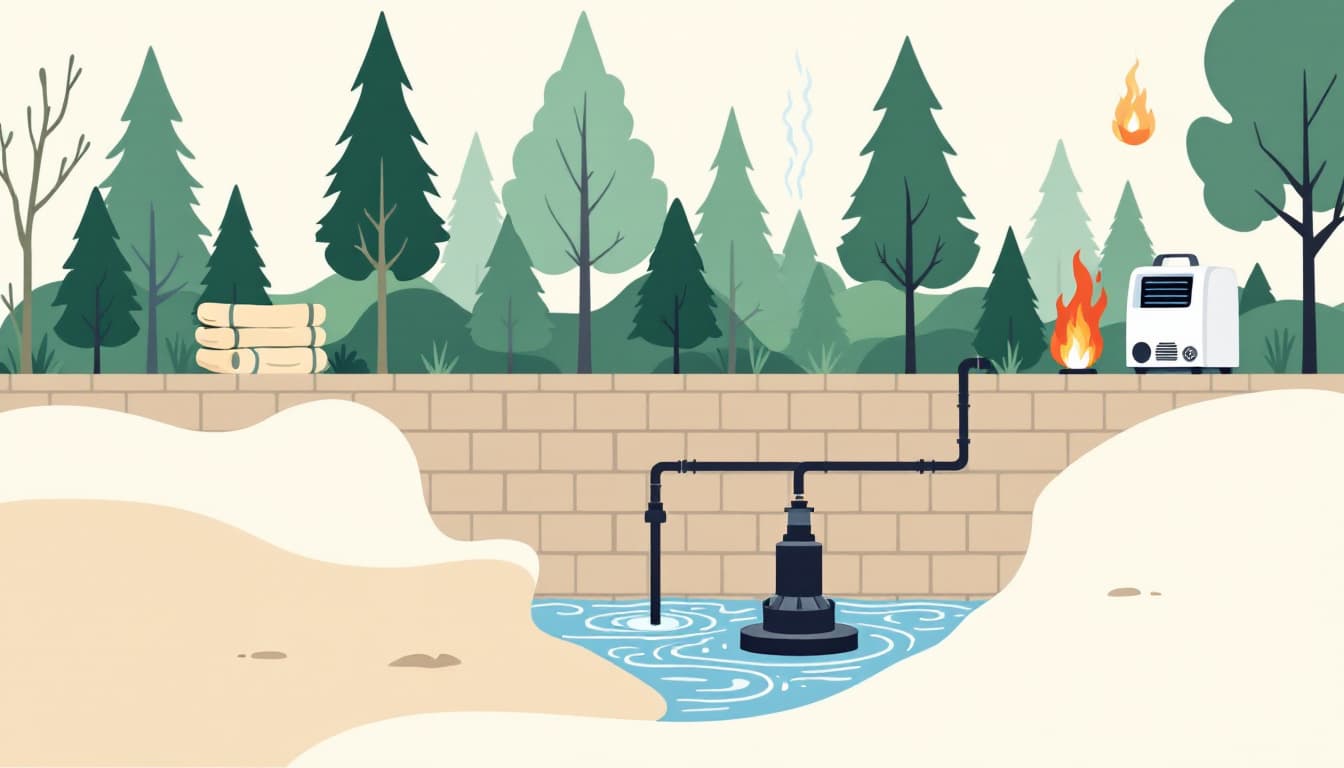
Locate your sump pump or confirm your drainage strategy works. If you have a sump pump, test it now by pouring a bucket of water into the pit — the float should trigger the motor within seconds. If you rely on French drains or landscaping swales, walk the property and clear any debris that's blocking flow. A clogged drain on a normal afternoon rain becomes a problem at inch 5 of 7.
Know your evacuation route and fill your gas tank. Panhandle and Big Bend counties can see road flooding that cuts off primary routes quickly. Escambia and Bay counties both have evacuation route maps published by their emergency management offices. Fill the tank today; gas stations lose power and run out of fuel fast once a warning is issued. This applies equally to households that have no intention of evacuating — you want the option.
Have three days of water and food that doesn't require cooking. Power outages from tropical moisture events can last 24 to 72 hours in Florida's Gulf counties even when there's no significant wind damage — transformers fail, substations flood. Three gallons of water per person, shelf-stable food, and a manual can opener cover the realistic scenario without requiring a chest freezer full of freeze-dried pouches.
The bigger picture
Bertha's landfall in Louisiana is a reminder that Gulf storm season doesn't require a direct hit to affect your household. The productive response to a storm like this isn't to stock a bunker — it's to run a 30-minute audit of the gaps in your current plan. Most Florida households already have the instinct. The goal is to make sure the instinct is backed by a working sump pump, a filled tank, and a clear-eyed look at the flood map before the rain starts.
Durability is built in the gaps between storms, not during them.