The storm has already moved on. That is exactly when Louisiana households stop paying attention — and exactly when the real work starts.
A report this week from WPBF confirmed that Tropical Storm Bertha flooded parts of Louisiana before tracking toward the Texas border. The cone shifted. The news cycle shifted. But standing water, saturated soil, and stressed infrastructure do not shift that fast, and the Gulf season has months left to run.
What actually happens after a storm passes
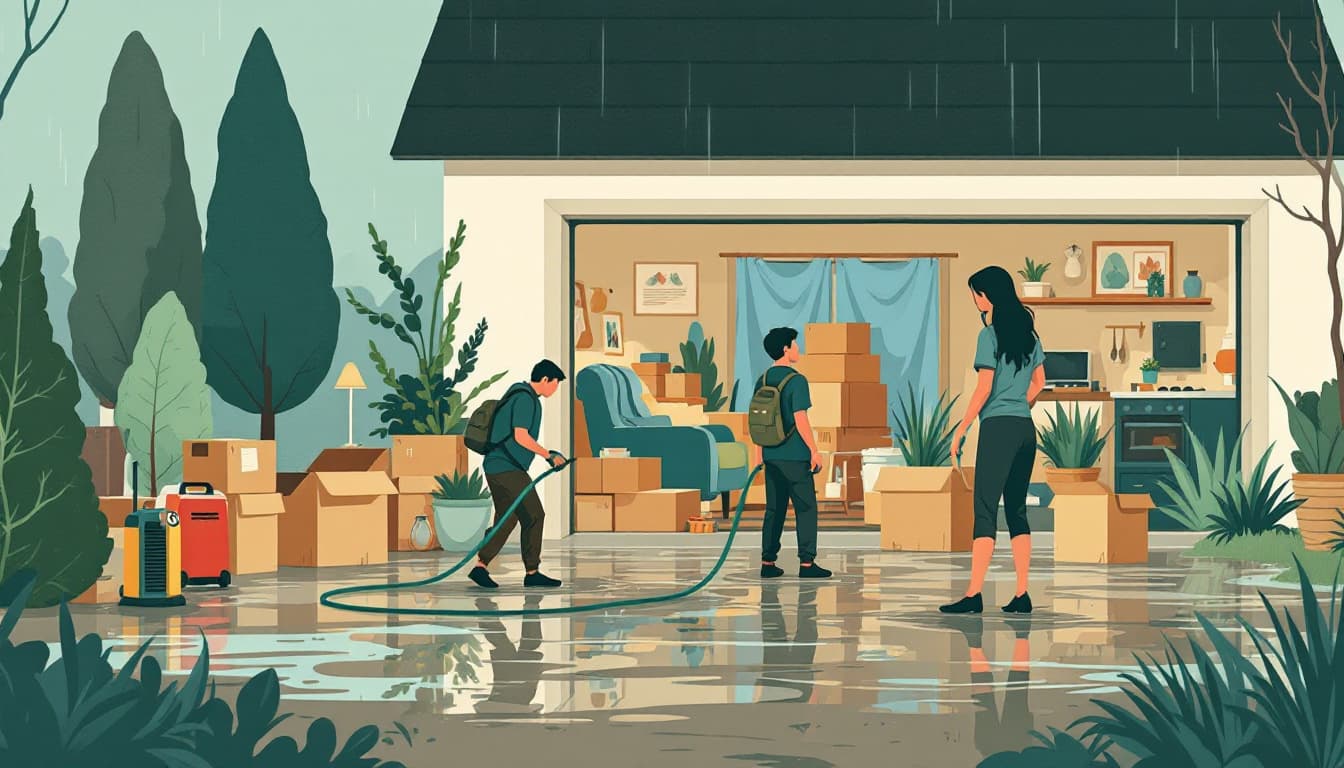
The period between storms is not downtime. It is the only window you have to repair, reassess, and restock before the next system forms. Louisiana's geography makes this more urgent than it sounds. Much of the state sits on low-gradient terrain where water drains slowly. A named storm that makes landfall elsewhere can still push days of heavy rain through the Atchafalaya Basin, the North Shore, and coastal parishes. Bertha was that kind of storm — not the catastrophic direct hit, but the kind that leaves sump pumps running, drains blocked, and insurance adjusters busy.
The compressed Atlantic hurricane season means these inter-storm windows can be as short as two weeks. Recent National Hurricane Center data has shown above-normal season activity in multiple recent years, and forecasters have not pulled back on that posture for 2026. Louisiana households who treat Bertha's exit as an all-clear are misreading the calendar.
There is also a second-order issue worth naming: infrastructure stress. Pump stations, drainage canals, and municipal sewer systems that absorbed Bertha's rain are not operating at full capacity right now. A second storm hitting saturated ground behaves worse than the same storm hitting dry ground. Cajun country knows this intuitively. The numbers back it up.
What we'd actually do
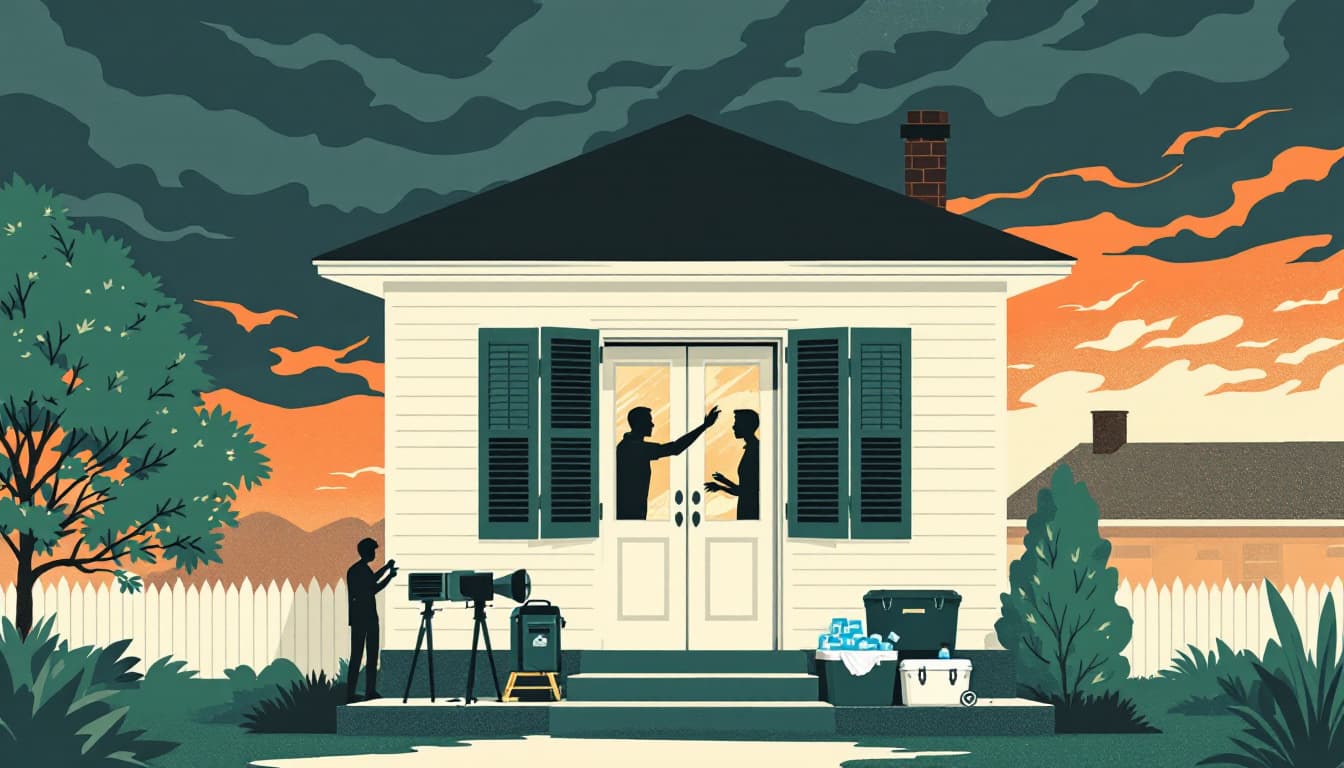
Document the damage from Bertha now, before anything dries out or gets cleaned up. Walk every room, photograph every water line on exterior walls, every damp corner in the crawl space. Date-stamp your photos. Louisiana's GOHSEP (Governor's Office of Homeland Security and Emergency Preparedness) uses this documentation when households apply for state or federal assistance. Insurance adjusters use it too. A phone photo taken today is worth far more than your memory of what things looked like.
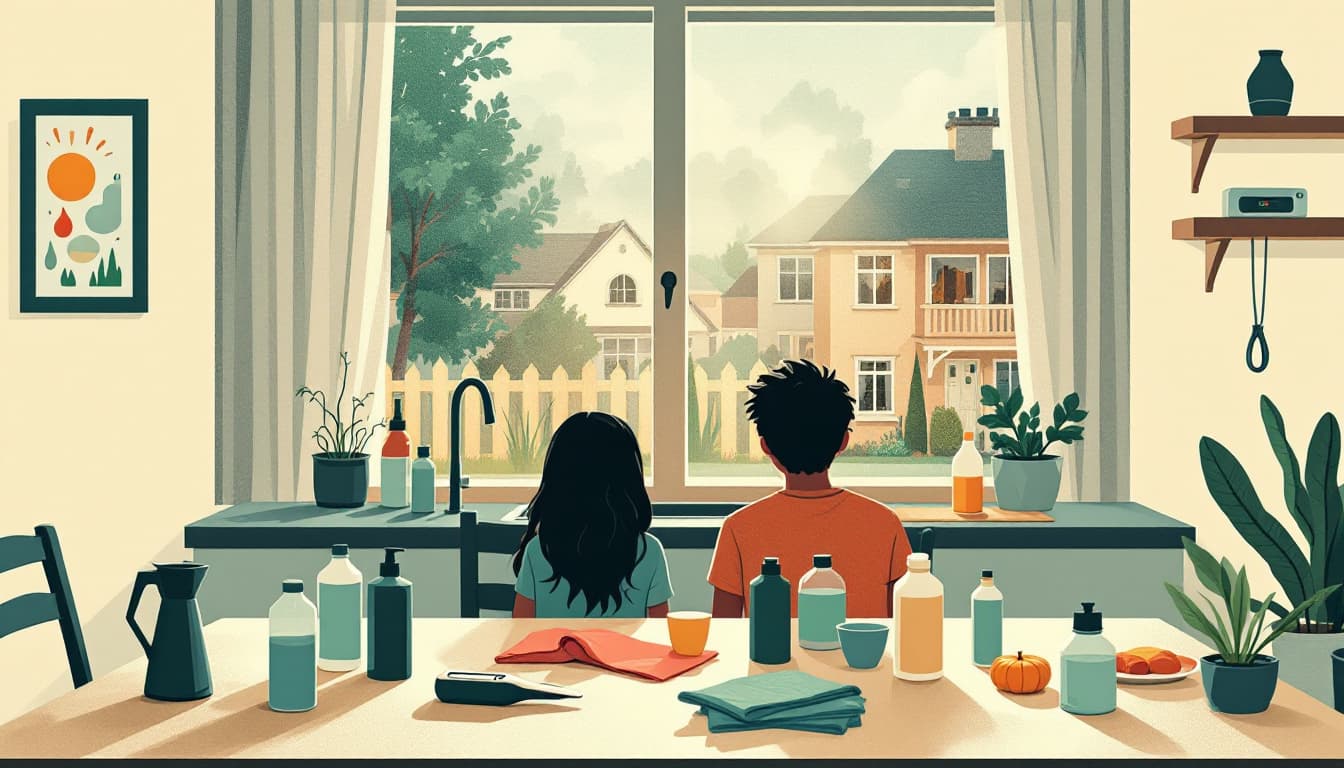
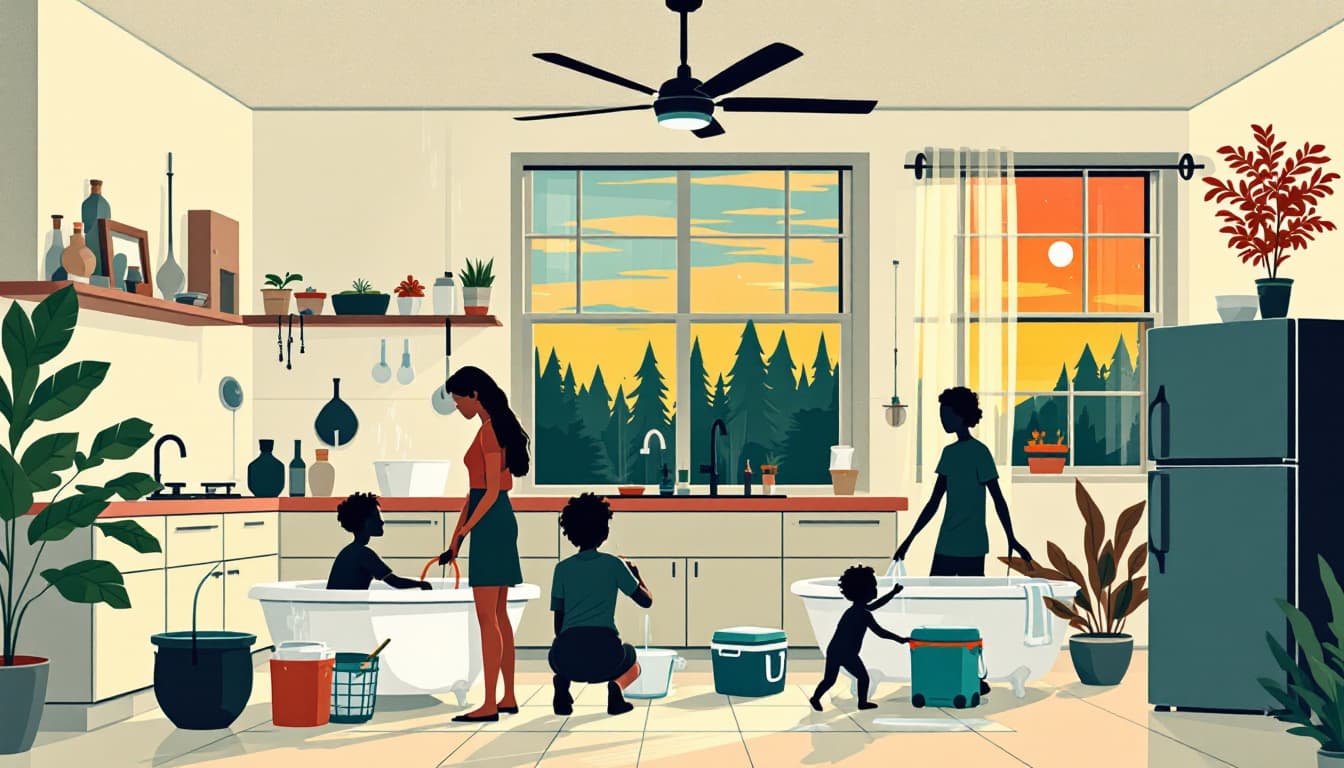
Restock your 72-hour water supply before the next watch is issued. If Bertha ran your stored water down — whether you used it or just let it expire — now is the time to replace it. A family of four needs roughly one gallon per person per day, minimum. Store-brand gallon jugs at any Rouses or Walmart work fine. Skip the elaborate filtration pitch; the unsexy answer is capped plastic jugs rotated every six to twelve months.
Check your sump pump and generator fuel today, not when the next cone appears. Most pump failures during a storm trace back to motors that ran dry or fuel that gelled in storage. If you have a generator, run it under load for 20 minutes this week to confirm it starts and holds. Ethanol-blended fuel sitting in a tank since April can cause starting problems; drain and replace it, or add a fuel stabilizer rated for Gulf-climate storage.
Pull up your flood zone designation and verify your NFIP policy's waiting period. Standard National Flood Insurance Program policies carry a 30-day waiting period before coverage kicks in. If Bertha exposed a gap in your coverage and the next system is two weeks out, a new policy will not help you. Knowing that now — not after the next landfall — lets you make a clear-eyed decision about sandbags, elevation, or temporary barriers while you have time.
Talk to your neighbors on both sides about mutual aid logistics. Who has a chainsaw? Who has a flatbed? Who has a second vehicle that can pull a neighbor's car out of a flooded driveway? Louisiana's parish culture already runs on this, but informal conversations before a storm convert faster to actual help than improvised coordination during one.
The bigger picture
Bertha is a useful signal, not a disaster. It tested your drains, your coverage, your stored supplies, and your communication plan. A storm that floods your street and then moves on is the best possible stress test — because you are still around to fix what it revealed.
The goal is not to survive one storm. It is to be in better shape for the next one. July 23 is still early in the Gulf season. The window is open. Use it.