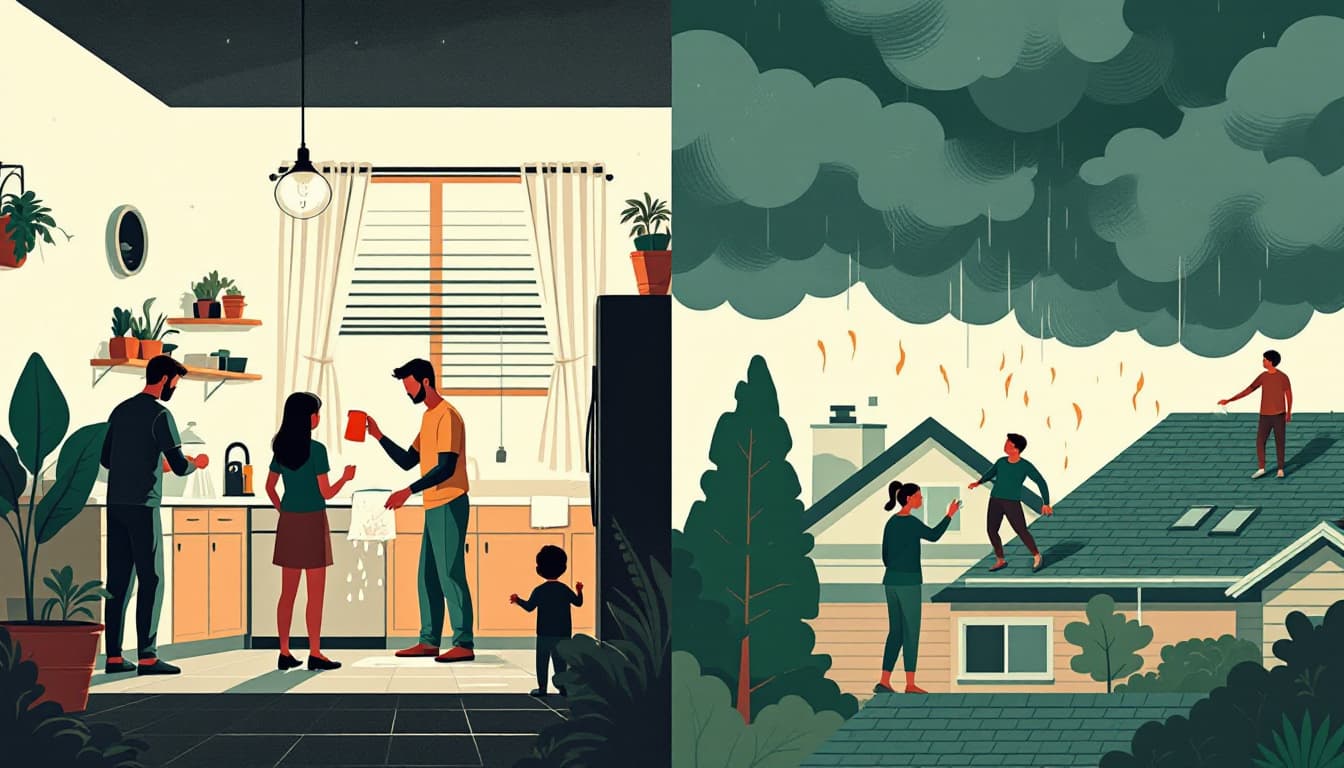
A KGUN 9 report this week out of Tucson named the pattern Arizona households know but rarely plan for systematically: scattered monsoon storms rolling through, followed almost immediately by a stretch of extreme heat. The storms are the headliner. The heat is the threat.
What's actually happening here
The monsoon and the heat don't take turns. In Arizona's summer, they overlap and compound. A storm rolls through the Tucson basin or the Valley, knocks power lines, saturates swamp cooler pads, floods streets, and leaves. Then temperatures climb back above 110°F. What the storm damaged, the heat punishes.
This sequence matters for three reasons most weather coverage skips:
Power outages are more dangerous after a storm than during one. During the storm, temperatures often drop into the 80s or low 90s. After the storm passes and extreme heat returns, a household without power can reach dangerous indoor temperatures within two to three hours — faster if your windows face west, faster still if you have a flat or low-pitched roof, which describes a large share of Phoenix and Tucson housing stock.
Evaporative coolers lose efficiency when humidity rises. Arizona households using swamp coolers — still common in older Tucson homes — get caught in a specific bind: the storm raises relative humidity, which cuts evaporative cooling output by a third or more. Then the heat returns. The cooler is running but not keeping up, and families often don't realize the indoor temperature is climbing until someone feels sick.
APS and TEP restoration windows during heat events stretch longer than the outage itself. Arizona Public Service and Tucson Electric Power both prioritize hospitals and critical infrastructure during simultaneous-outage events. Residential neighborhoods, especially older grid segments in central Phoenix and central Tucson, can wait four to eight hours or more. That's not a complaint — it's a planning input.
What we'd actually do
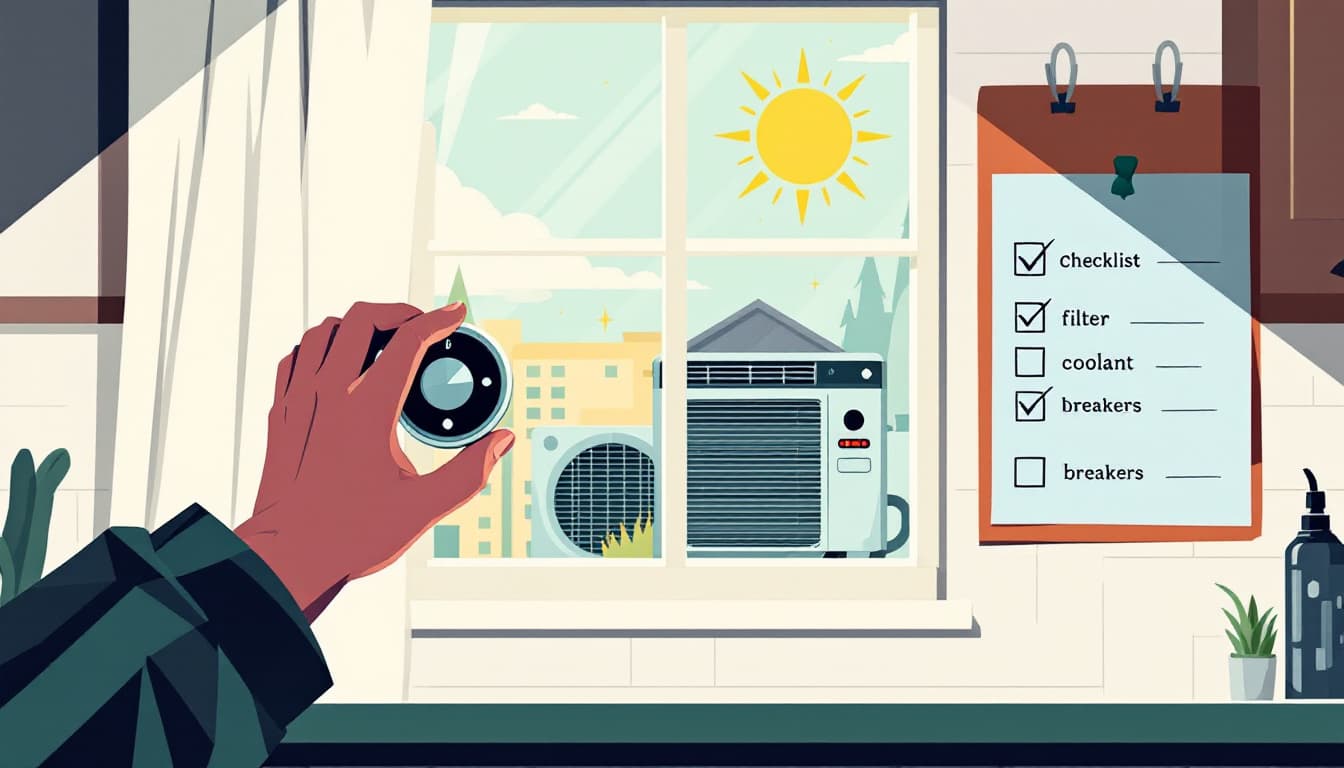
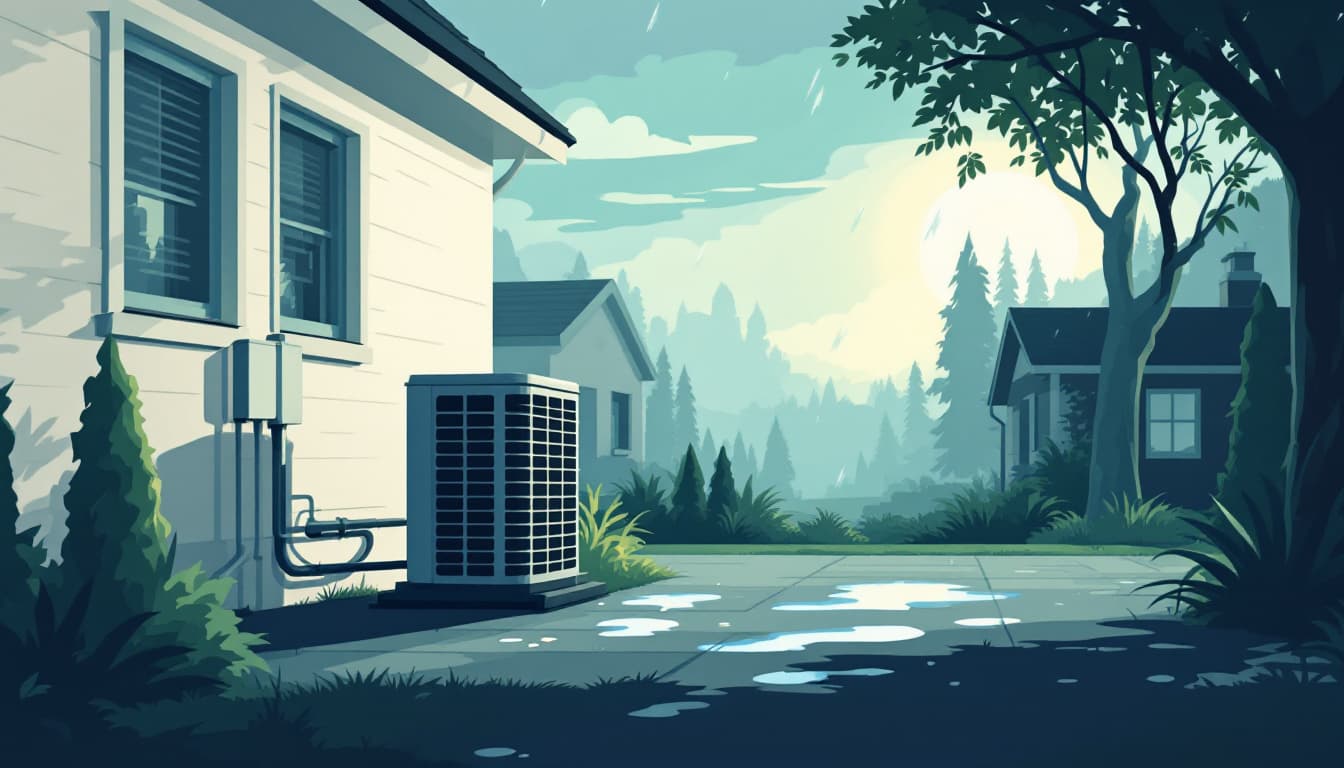
Check your cooler or AC unit this week, not next week. Schedule or do-it-yourself service on your evaporative cooler — clean the pads, check the pump, confirm the belt tension — before the next storm hits. For refrigerated AC households, replace the filter and confirm the condenser coils outside are clear of debris. A clogged system in 112°F weather works harder and quits sooner.
Build a two-location heat plan before you need it. Pick two specific places your household can go if power is out for more than two hours: a relative's home with confirmed working AC, a library branch, a mall, a cooling center. Maricopa County and Pima County both publish updated cooling center maps — locate yours and save the address in your phone. Don't assume the destination will be open; call ahead or check hours once the heat event is confirmed.
Store more water than you think you need, because storms interrupt municipal supply too. Monsoon flooding can compromise water pressure or introduce boil advisories in lower-elevation neighborhoods near washes. FEMA's standard one-gallon-per-person-per-day baseline was written for moderate climates. Arizona health guidance from ADHS suggests significantly more in extreme heat — closer to three to four gallons per person per day for active adults and children outdoors. A family of four needs 12+ gallons for a single 72-hour stretch. Know where yours is right now.
Protect your freezer now, so it works later. Fill gallon zip bags with water and freeze them. A full freezer stays cold roughly twice as long as a half-empty one during an outage. After a storm, frozen bags move easily to a cooler if the outage extends past four hours. This costs almost nothing and buys you 24 to 48 hours before food loss becomes a real expense.
Restock your vehicle kit before the next storm, not after. Heat-related breakdown calls in Arizona spike in the 48 hours after a monsoon storm, when debris on roads causes flat tires and when drivers get stuck in flooded underpasses. A gallon of water per person in the car, a phone charger rated for heat, and a basic first-aid kit should be default items in every Arizona vehicle from June through September.
The bigger picture
Arizona's monsoon season runs roughly June 15 through September 30 by National Weather Service definition. You are currently in the middle of it. The sequence KGUN 9 reported — storms today, extreme heat ahead — will repeat. The infrastructure, the cooler, the water supply, and the plan don't need to be perfect. They need to be functional before the temperature climbs back up.
Durability in Arizona isn't about surviving a disaster. It's about staying ahead of a predictable pattern that happens every single summer.