On a July afternoon in Phoenix, the pavement surface temperature can exceed 170°F. You don't need to be outdoors long to understand why the AP-NORC poll covered by AZ Family this month found that a significant share of Americans say extreme heat has changed how they work, exercise, and move through daily life. For most of the country, that's a new and uncomfortable adjustment. For Arizona, it's a deepening of something already underway — and the gap between households that have adapted structurally and those still improvising is growing.
What's actually changing
The AP-NORC data, as reported by AZ Family, shows behavioral changes that go beyond discomfort: people skipping outdoor activities, altering work schedules, avoiding certain hours entirely. What the poll doesn't surface is the compounding cost structure underneath those choices.
In Arizona, heat is not a seasonal inconvenience. The Maricopa County Department of Public Health has documented heat-associated deaths in recent years at levels that make it one of the most heat-dangerous counties in the United States. Salt River Project and APS residential customers routinely see summer electricity bills that spike to multiples of their winter baseline. The behavioral changes the poll describes — staying inside, running cooling longer, limiting outdoor labor — all carry a dollar cost that falls unevenly on households.
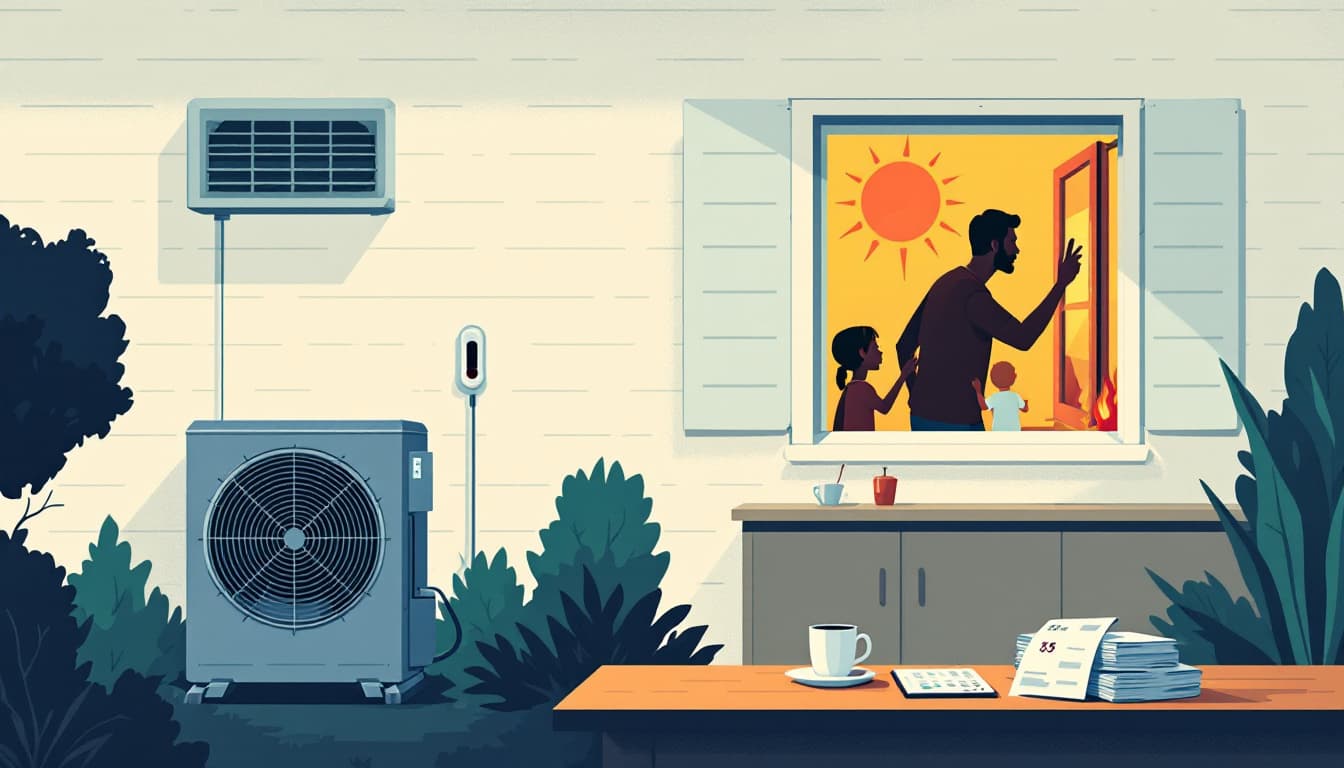
There's also an infrastructure layer. The Sonoran Desert grid faces peak demand pressure during exactly the hours when heat stress is highest. Outages during a heat event are not just uncomfortable; they become medically dangerous within hours for elderly residents, young children, and people on certain medications that require refrigeration. A household that has not thought through what happens if cooling fails for 12 hours is carrying real, unaccounted-for risk.
What the poll signals, and what the news coverage understandably doesn't dig into, is that behavioral adaptation without structural preparation is a fragile strategy. Changing your running schedule to 5 a.m. is smart. It doesn't protect you when the grid sags and your AC stops working at 3 p.m.
What we'd actually do
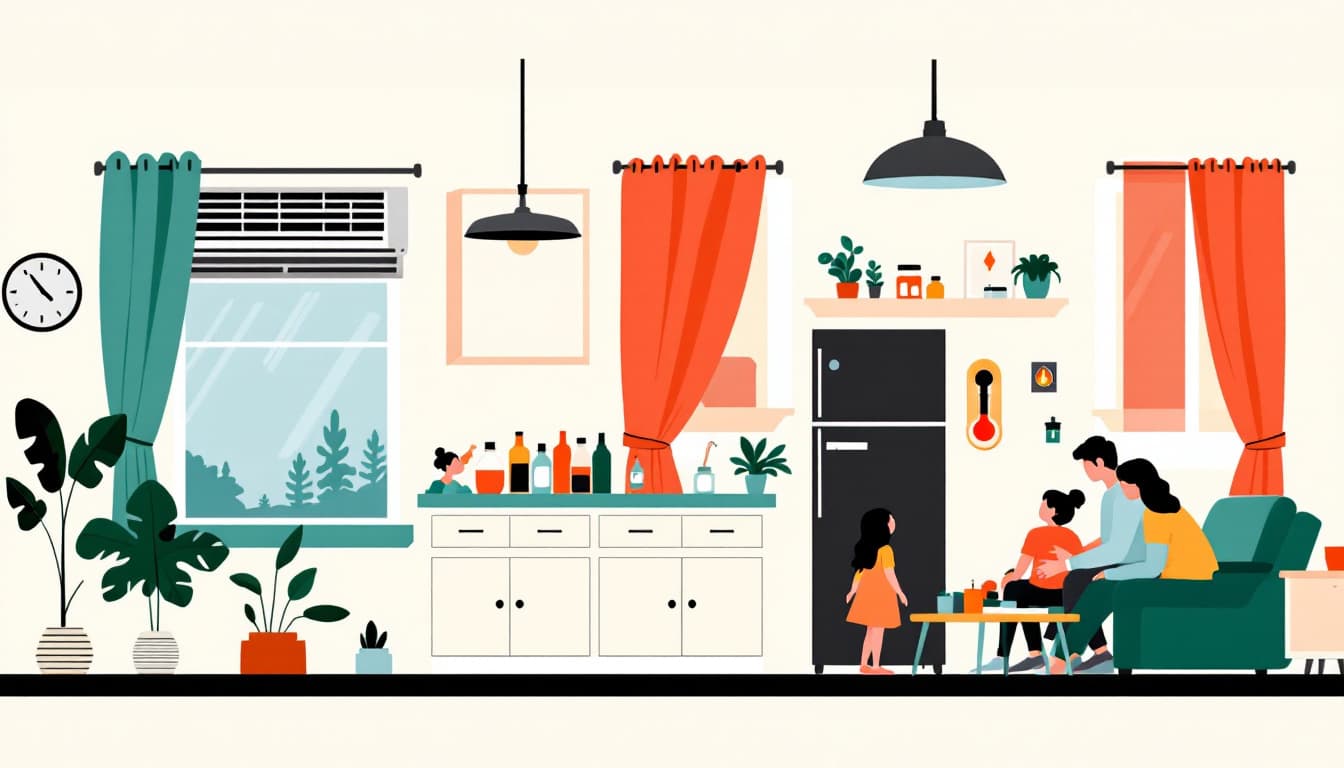
Map your household's heat vulnerability before the next billing cycle. Take one hour and identify everyone in your home who faces elevated risk: anyone over 65, anyone on diuretics, beta-blockers, or antipsychotics (all of which impair heat regulation), and anyone without personal transportation. Then identify your nearest designated cooling center — in Maricopa County, the county maintains a searchable map updated in real time. Know the address and the hours before you need them.
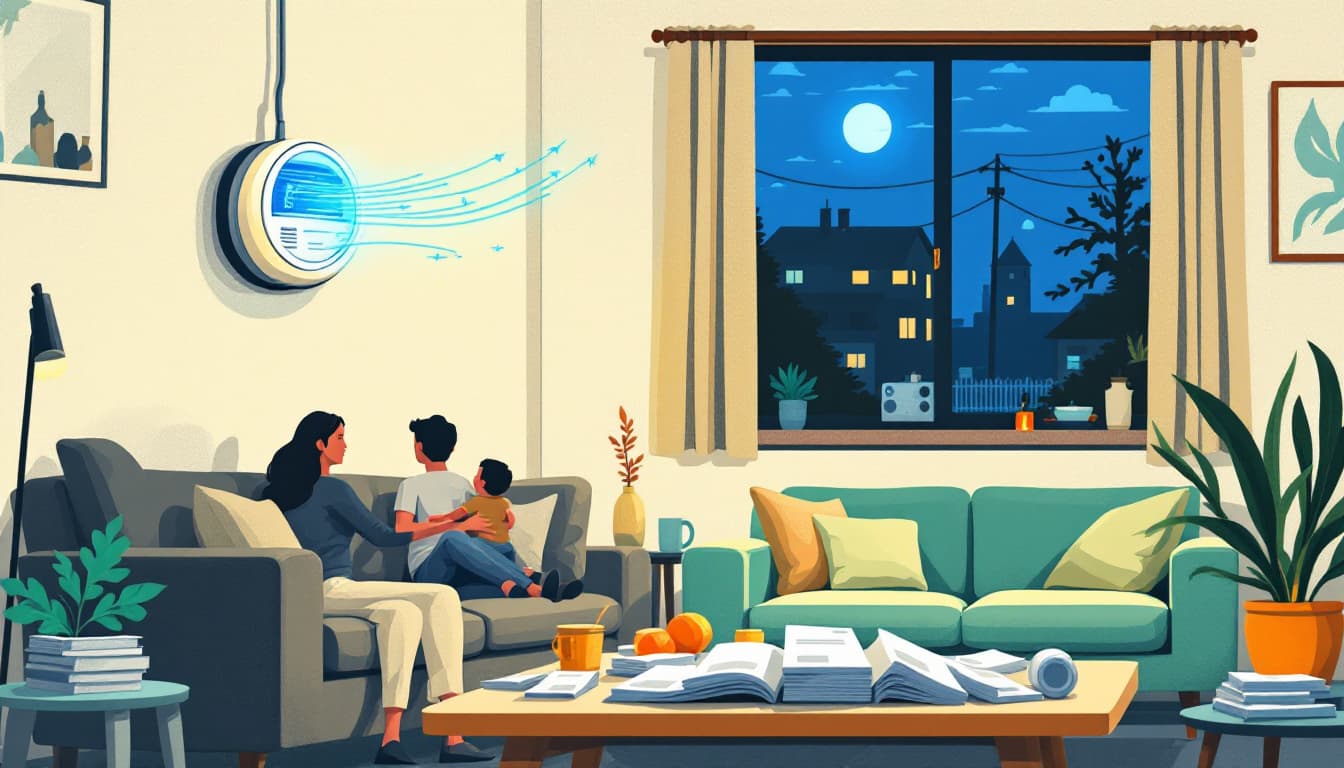
Build a 72-hour cooling-failure plan that doesn't rely on a hotel. Most household heat-emergency plans are really just "we'll go somewhere with AC." That works until the event is regional and every hotel within range is full — which is exactly what happens during a multi-day grid stress event. Designate a specific friend or family member outside your immediate neighborhood whose home you can go to, confirm they're your backup, and reciprocate. The social infrastructure is more reliable than any piece of gear.
Audit your medication storage against actual temperature ranges. Many insulin formulations, certain biologics, and some liquid antibiotics degrade faster than their labels suggest once ambient temperatures pass 77°F. If your power fails and your refrigerator warms, you may not know your medication has been compromised until it stops working. Talk to your pharmacist now about degradation thresholds and what visual or functional signs indicate spoilage. This is a five-minute conversation that most households never have.
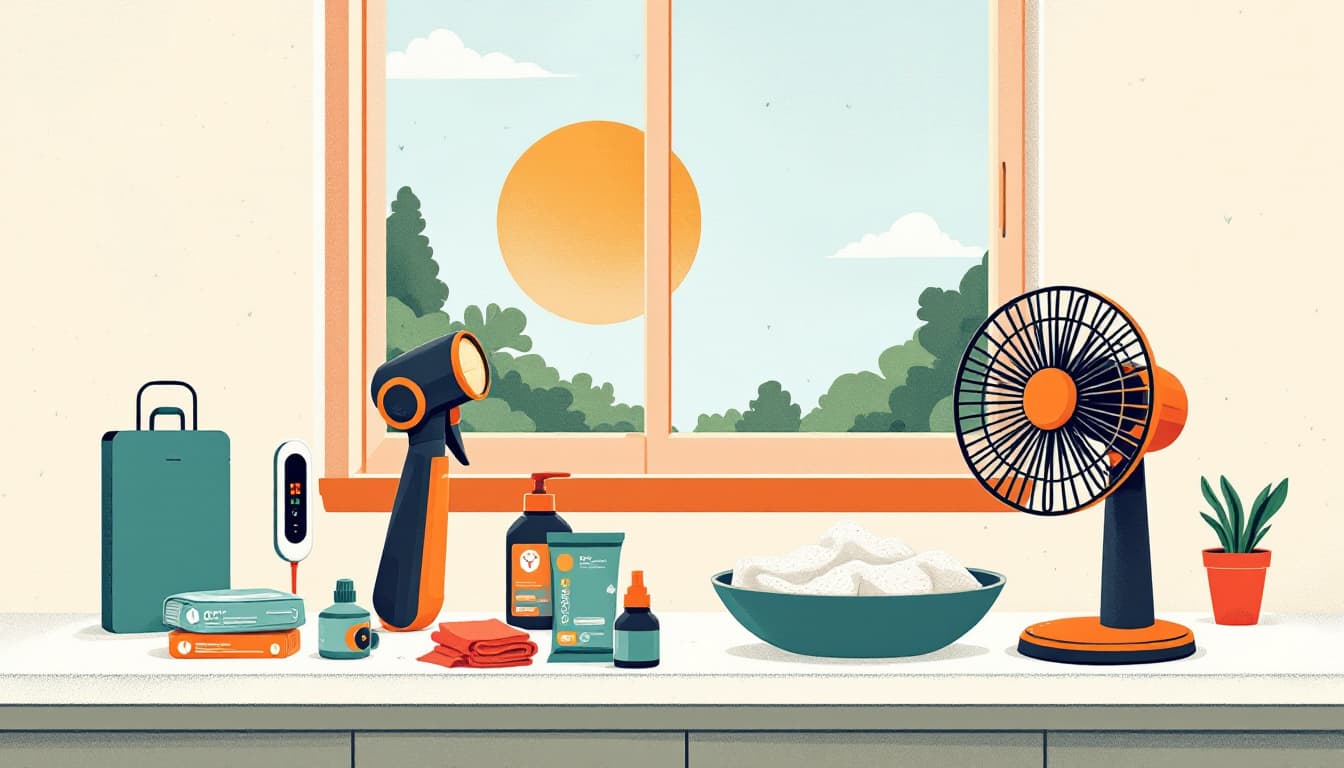
Cut your peak-hour load, not just your total usage. Arizona utilities charge time-of-use rates that penalize consumption during the hottest afternoon hours. Pre-cooling your home — dropping the thermostat to 76°F or lower before noon, then letting it drift up through the peak window — reduces both bill exposure and grid strain. It also means you start any cooling-failure scenario with a cooler baseline, buying more time before conditions become dangerous.
Keep at least four gallons of water per person accessible without opening your refrigerator. The standard emergency-preparedness recommendation is one gallon per person per day. In Arizona summer heat, that number should be doubled for any scenario involving outdoor exposure or physical exertion. Store it in a cool interior closet, not the garage, where temperatures routinely exceed 110°F and degrade both containers and water quality over time.
The bigger picture
The AP-NORC poll is useful because it names something that's easy to normalize: the slow, grinding reorganization of daily life around a hazard that is not going away. Arizona households have been doing this reorganization for decades, which creates both experience and complacency. The families most at risk are often the ones who've handled it fine before and assume they'll handle it fine again.
Durability isn't about surviving the worst day. It's about not being surprised by the predictable one.