Lake Mead's elevation has been climbing since its historic low in 2022, but Arizona water managers have not declared the crisis over. A report this week from AOL.com signals why: a proposed interstate deal could restore a larger share of Colorado River water to Arizona, partially reversing the cuts the state absorbed under the Bureau of Reclamation's shortage declaration framework. The proposal is still being negotiated. Nothing is signed.
That gap between "proposed deal" and "water in the pipe" is exactly where Arizona households need to pay attention.
What's actually changing
The Colorado River Compact has always allocated more water than the river reliably delivers. Arizona, as a junior appropriator under the 1922 framework, was first in line for mandatory cuts when Mead and Powell dropped. Recent above-average snowpack in the Rockies bought time, and that improved reservoir storage is now giving negotiators room to offer Arizona something back.
But "more water under a proposed deal" is not the same as stable supply. The structural gap between demand and average annual flow hasn't closed. Climate projections from the Bureau of Reclamation's own modeling consistently show the river running below historical averages over multi-decade horizons. A good snow year plus a favorable negotiating environment does not erase that math.
For households in Phoenix, Scottsdale, Tucson, and smaller communities served by the Central Arizona Project canal, the practical reality is the same as it was last year: your municipal supplier is managing a scarce resource against an uncertain future, and the household that has built even modest water resilience is meaningfully better positioned than the one that hasn't.
Rural Arizona households on private wells face a separate and more acute version of this problem. Groundwater levels in some basins — particularly in the West Valley and parts of Pinal County — have dropped enough that well depth and pump performance are real concerns, independent of whatever happens on the Colorado.
What we'd actually do
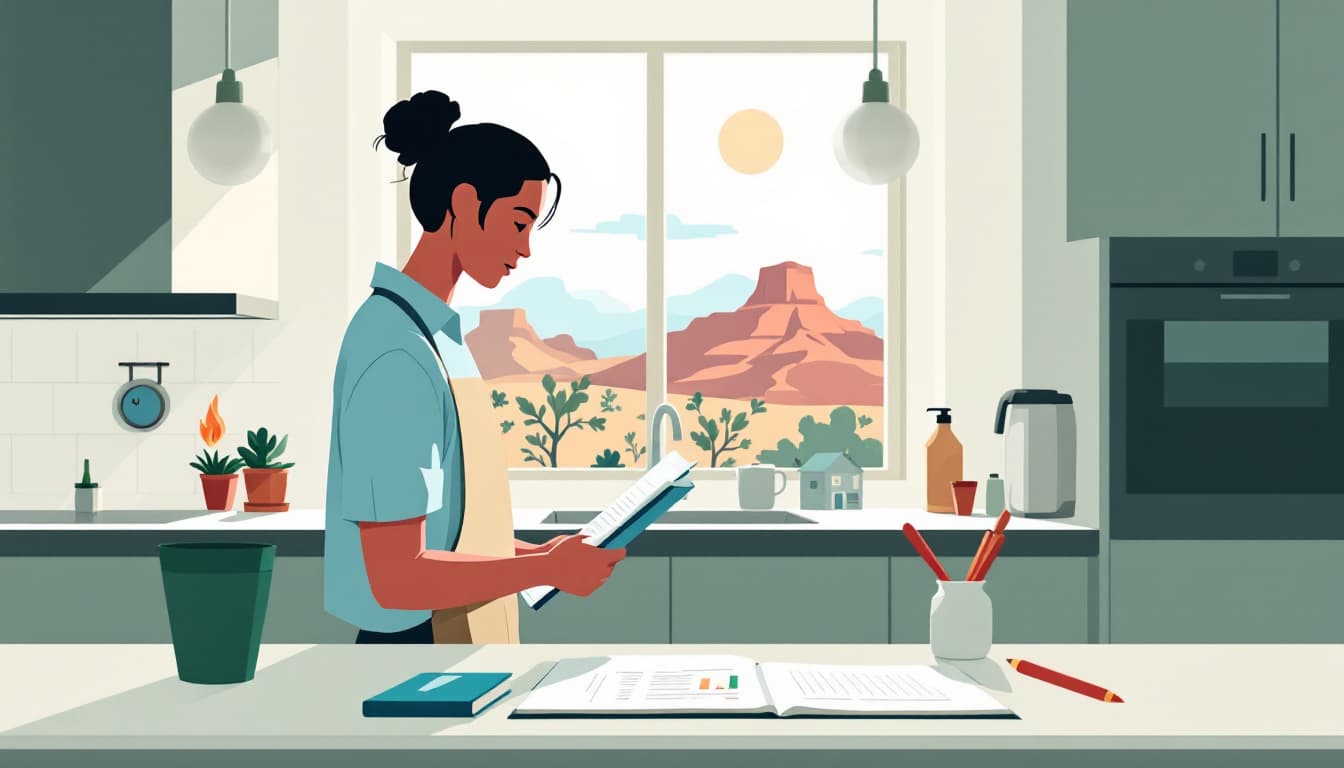
Check your municipality's current water portfolio and drought contingency plan. Most Arizona water utilities publish this. The Salt River Project, EPCOR, Tucson Water, and others post annual reports. Spend 20 minutes finding yours. What percentage of supply comes from the Colorado versus Salt River versus groundwater? That ratio tells you how exposed your household is to Colorado negotiations falling apart.
The goal here is not anxiety — it's calibration. A household served primarily by Salt River Project surface water and local groundwater banking has a different risk profile than one dependent heavily on CAP deliveries. You can't make a good plan without knowing which situation you're in.
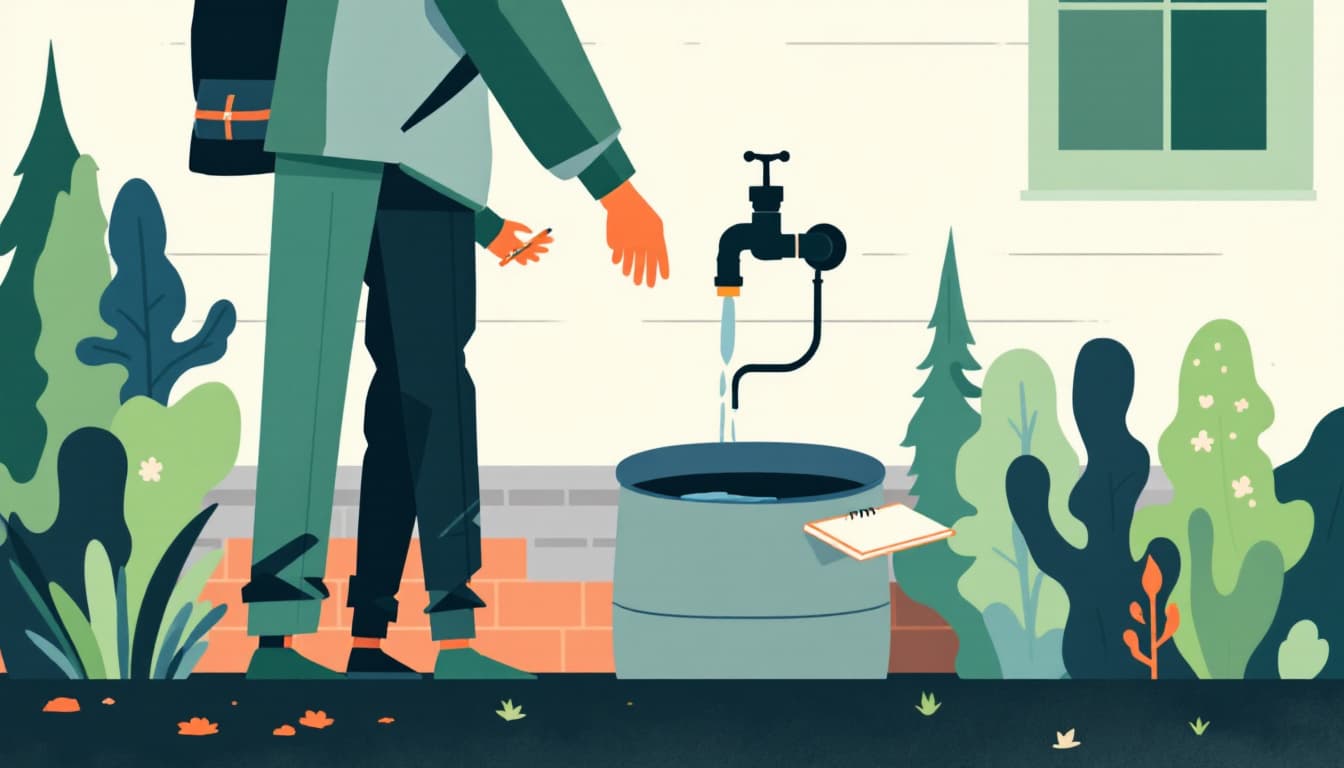
Build a two-week water reserve, then stop. FEMA and ADHS both recommend one gallon per person per day for drinking and sanitation. For a family of four, that's 56 gallons for two weeks. You can get there with food-grade 5- or 7-gallon jugs from any hardware store for under $50 total. Rotate every six months. This is not about preparing for civilizational collapse; it's about covering a burst main, a boil-water notice, or a multi-day power outage that takes your well pump offline. All three happen in Arizona with some regularity.
Audit your outdoor water use. The average Arizona household uses more than half its water on landscaping. If you're still running a grass lawn, the arithmetic on long-term water cost and supply risk is genuinely bad. Transitioning even a portion of turf to gravel, decomposed granite, or desert-adapted plantings cuts consumption sharply. The Arizona Department of Water Resources and most municipal utilities offer rebates for turf removal — Tucson Water's program, for example, has paid out millions in rebates since it expanded. The payback period on a turf conversion is typically under three years when you factor in reduced water bills.
If you're on a private well, get it tested and logged. Arizona's water well registry is public. Pull your well record, note the original depth, and if you haven't had a water test in the past two years, schedule one. Coliform, arsenic, and nitrates are the three concerns most relevant to Arizona wells. A basic panel runs $75–$150 through a certified lab. If your neighbors have had declining yield or you've noticed pressure changes, that's worth a conversation with a licensed well driller before the problem becomes urgent.
The bigger picture
A favorable deal on Colorado River allocations is genuinely good news. It means the multi-state framework is still functioning, and it buys Arizona time to build out alternative supply infrastructure — direct potable reuse, additional groundwater banking, agricultural water transfers. That work is already underway at the state level.
But durable households don't wait on deals. Water in the Southwest has always required active management at every scale — state, city, and household. The families who fare best through the inevitable dry years ahead are the ones who understand their local supply chain, have a small buffer, and aren't paying to irrigate grass in the desert.
The deal being discussed is a good sign. It is not a solution. Plan accordingly.