A page surfaced this week from Amazon.com's Creator University hub — a free training program the company runs for its Associates and Influencer affiliates. The program teaches content creators how to build out storefronts, link products, and maximize commission earnings. It is polished, free, and explicitly designed to grow Amazon's affiliate sales network. For most product categories, that's unremarkable. For emergency preparedness gear, it creates a specific problem that thinking buyers should understand before their next purchase.
What's Actually Changing
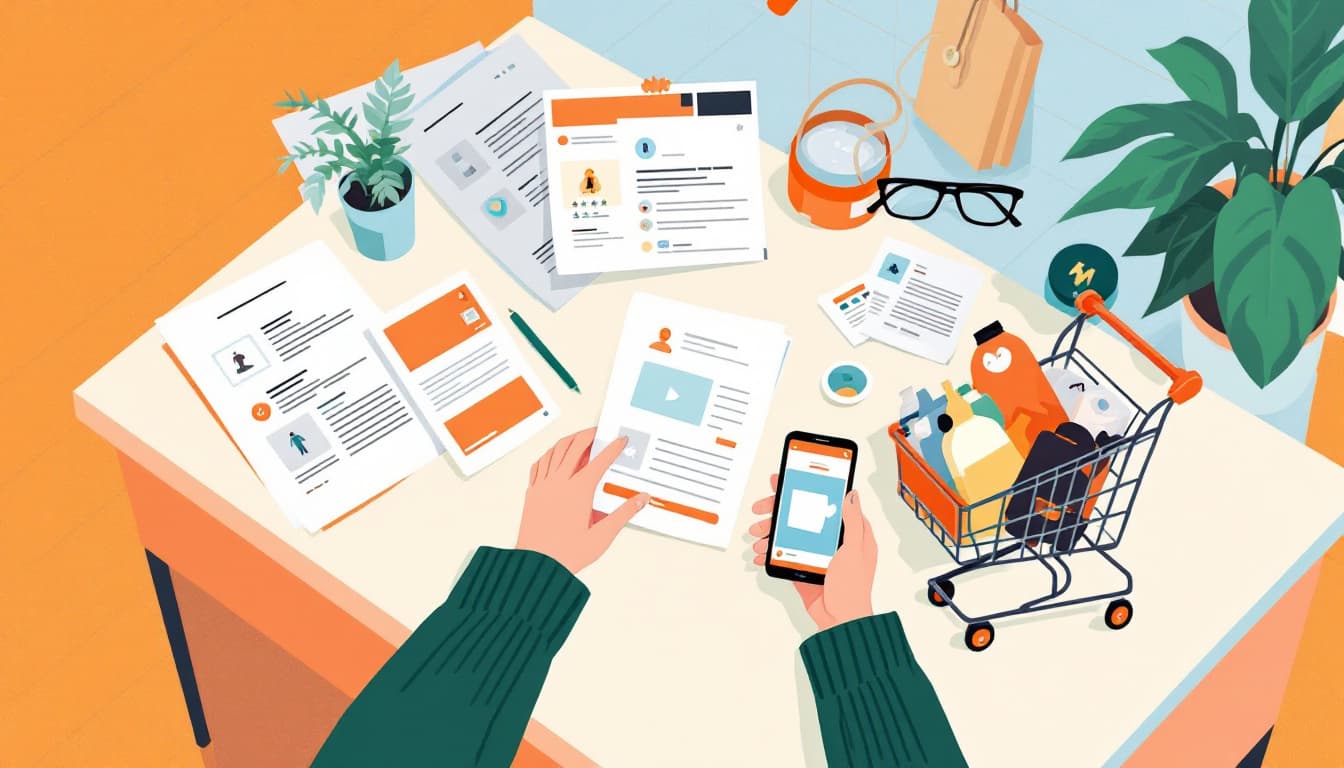
Amazon's affiliate and influencer programs are not new. The Associates program has existed in various forms since the late 1990s. What Creator University represents is Amazon formalizing and expanding the coaching infrastructure around that network — teaching creators not just how to post links but how to build storefronts organized by category, populate them with "idea lists," and photograph products in home settings to generate what the program calls "genuine energy."
The preparedness and outdoor gear space is one of the heavier trafficked categories in affiliate marketing. Search for water filters, emergency food buckets, solar chargers, or first-aid kits on YouTube or Instagram and a large share of what you find is affiliate-linked content. The creator may genuinely use the product. They may not. The commission structure — which varies by category under Amazon's published rate schedule — creates a consistent financial nudge toward enthusiasm regardless of real-world performance.
What the Creator University page does not address: independent testing standards, disclosure placement, or how a creator should handle a product that performs poorly after the affiliate link goes live. That silence is the story.
This is not a scandal. It is a structural feature of how most gear content on the internet is now funded. The shift worth noting is that Amazon is now actively training more creators to do this more systematically.
What We'd Actually Do
Check whether a review includes a purchase receipt or long-term use. A creator who bought a product six months before filming has different skin in the game than one who received it as a sample or bought it specifically to review. This isn't foolproof — receipts can be staged — but it filters out a meaningful share of rushed affiliate content. Look for wear, real storage conditions, and complaints alongside praise.
Cross-reference on forums where affiliate links are rare. Communities like Reddit's r/preppers, Bushcraft USA forums, and the Rokslide backcountry hunting boards have financial incentives that run in the opposite direction from affiliate marketing — their social capital depends on not recommending bad gear. Consensus criticism in those spaces carries more weight than a five-star storefront.
Prioritize gear with published third-party test data. Water filters certified under NSF/ANSI Standard 42 or 53, fire extinguishers with UL listing, and first-aid kits with contents verified against American Red Cross guidelines give you a floor that no influencer storefront can fake. Recent Bureau of Labor Statistics consumer expenditure data consistently shows preparedness-adjacent categories — camping, home safety, food storage — as areas where households overspend on brand and underspend on verified function.
Use Amazon's price history before buying from any affiliate link. Browser extensions that track historical pricing (several free options exist) frequently show that "deal" items featured in influencer posts are priced at or above their normal range at the time of promotion. The affiliate incentive and the promotional cycle often coincide.
Buy one, test it, then stock more. The single most durable purchasing rule in preparedness is to use a thing under realistic conditions before committing to a case quantity. A headlamp that dims after two hours in cold weather is useless in January. A water filter that clogs on turbid water fails exactly when you need it. No storefront, affiliate or otherwise, can substitute for that test.
The Bigger Picture
Amazon's Creator University is a business tool, not a consumer protection resource. The preparedness community has always had its share of motivated sellers — from surplus dealers to TV survival personalities — and affiliate marketing is simply the current form that takes. The answer is not to avoid Amazon or boycott affiliate creators wholesale. Many of them are knowledgeable, honest, and genuinely useful. The answer is to treat any content with a purchasing link the way you'd treat a hardware store recommendation from someone on commission: useful input, not a verdict.
Durable household preparedness is built on tested gear, practiced skills, and boring fundamentals. It does not require a curated storefront. A $12 hand-crank flashlight that you have actually used in a power outage is worth more than a $60 one still in the box because a creator photographed it on their kitchen counter.