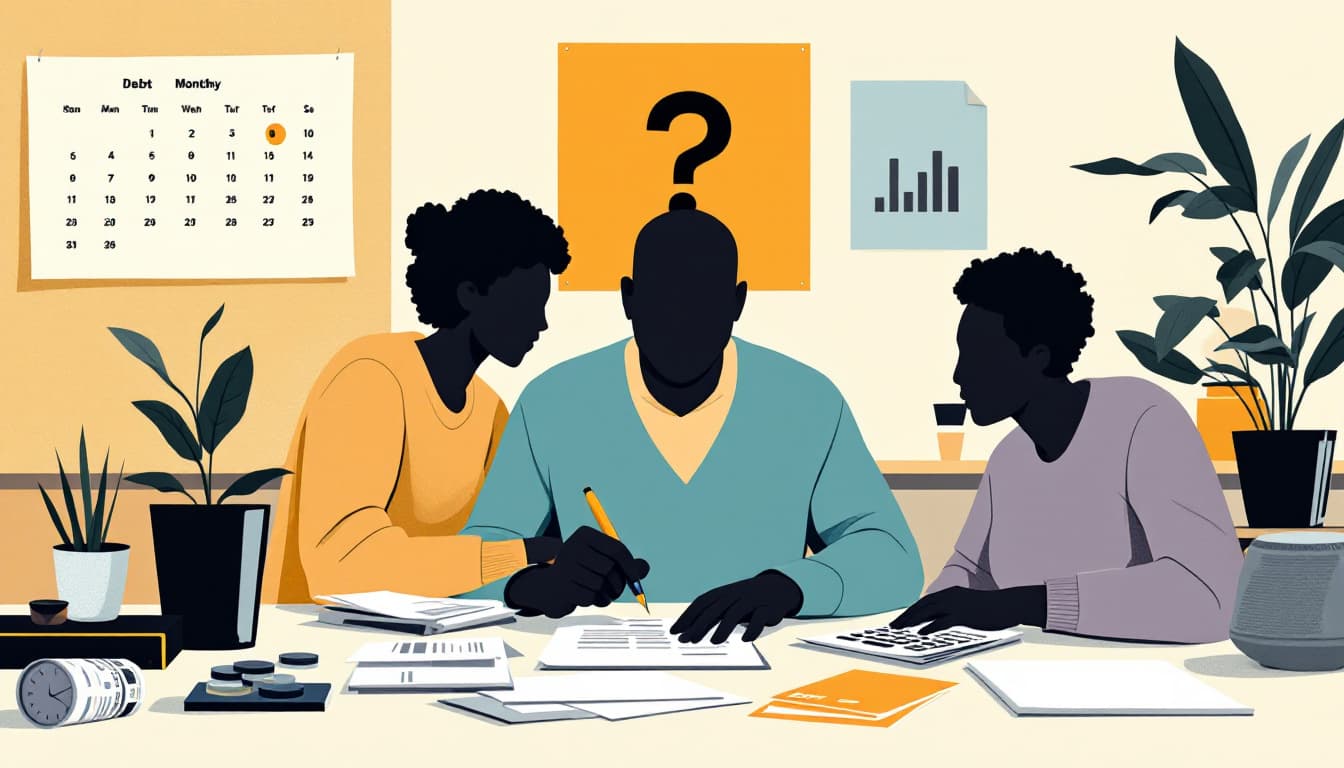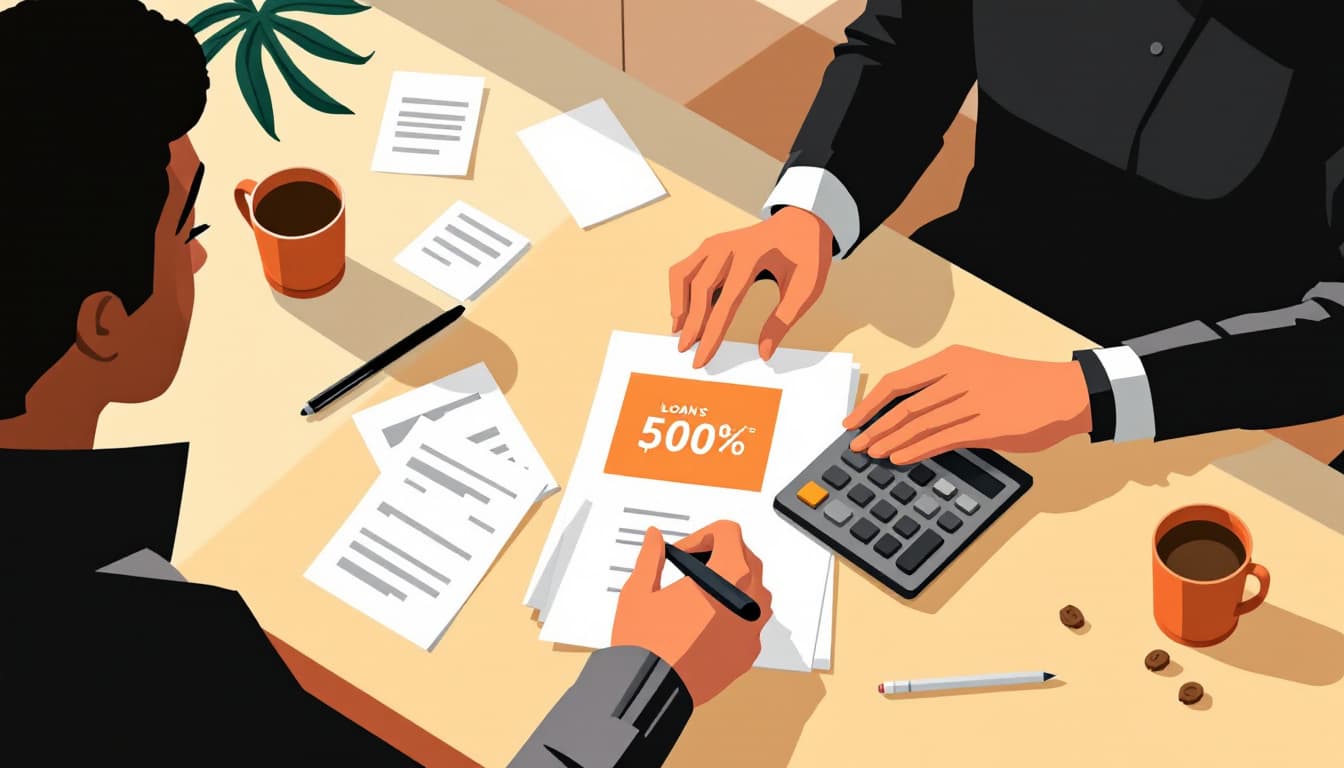
A family in the middle of a home equity line of credit renewal, or carrying a balance on a variable-rate personal loan, is not facing a theoretical problem. They are facing a higher monthly payment than they budgeted for — and according to a late-June Investopedia report citing a range of economists, that situation is not going to resolve itself before 2027 at the earliest.
The short version: the Federal Reserve has reasons to hold rates where they are, and the consensus among economists surveyed has shifted from "cuts are coming soon" to "probably not this year." Inflation hasn't fully cooperated. Labor markets haven't softened enough to change the calculus. Whatever you were planning around the assumption of cheaper borrowing, plan around something else.
What's actually changing
The rate environment itself hasn't shifted this week — what shifted is the professional forecast. That matters because a lot of household financial decisions get made on the assumption that conditions will improve. Families defer refinancing, assume a car loan will get cheaper in six months, or carry a balance on a home equity line while "waiting for rates to drop." That waiting posture just became more expensive.
The households most exposed right now are those with:
- Variable-rate debt — home equity lines of credit, adjustable-rate mortgages, and some private student loans that reset periodically.
- Credit card balances — average APRs tracked by the Fed's consumer credit data have been elevated for two years. Another six to twelve months of holding a balance at those rates is real money.
- Planned large purchases — a vehicle, an HVAC replacement, a roof. Financing any of these at current rates costs measurably more than it would have in 2020 or 2021.
What hasn't changed: fixed-rate mortgage holders, families without consumer debt, and anyone sitting on liquid savings in a high-yield account. For that last group, sustained high rates are a mild tailwind.
What we'd actually do
Lock in fixed rates on anything variable you can afford to convert. Call your lender this week and ask specifically what a fixed-rate conversion would cost on your HELOC or ARM. The math won't always favor it, but you need the actual numbers, not an assumption. A fixed rate at today's level is expensive, but it's predictable — and predictability has real value when you're running a household budget twelve months at a time.
Stop treating credit card debt as short-term debt. If you've been carrying a balance with a mental note to "pay it off when rates drop and we refinance," that plan just collapsed. Credit card interest at current APRs compounds fast. Redirect whatever discretionary margin you have toward the highest-rate balance first. Even $100 a month applied to principal is worth more now than almost any preparedness purchase you could make.
Audit every subscription and recurring expense against your actual emergency fund balance. Sustained high rates mean your cost of financing any emergency — a job loss, a medical bill, a broken furnace — is also sustained. The only real hedge against expensive emergency credit is cash on hand. Three months of expenses is a reasonable floor; if you're below that, this is the year to get there, not a future year.
If you're planning a major capital purchase, price out the full financing cost now. Use a simple amortization calculator and compute the total interest paid over the loan term at today's rate. That number is usually clarifying. Some purchases will still make sense. Others will reveal themselves as things worth delaying or avoiding entirely.
Capture the yield on your liquid savings. High-yield savings accounts, short-term CDs, and I-bonds (for new purchases, within annual limits) are all paying meaningfully more than a standard bank savings account. If your emergency fund is sitting in a checking account earning nothing, that's a fixable problem with a one-hour fix.
The bigger picture
Prepper culture has a long history of catastrophizing interest rates into a full economic collapse narrative. That's not what this is. Elevated rates are a genuine household-level cost, not a civilizational threat. Families that entered this rate environment with low fixed-rate debt and adequate savings are navigating it fine. Families that didn't are under real pressure.
The goal here isn't to panic-proof your life. It's to make your household durable — able to absorb an expensive stretch without it becoming a crisis. That means reducing variable-cost exposure, building cash reserves, and making large financial decisions with full information about what they'll actually cost at today's rates.
The rate environment will eventually change. Plan for it not to.