
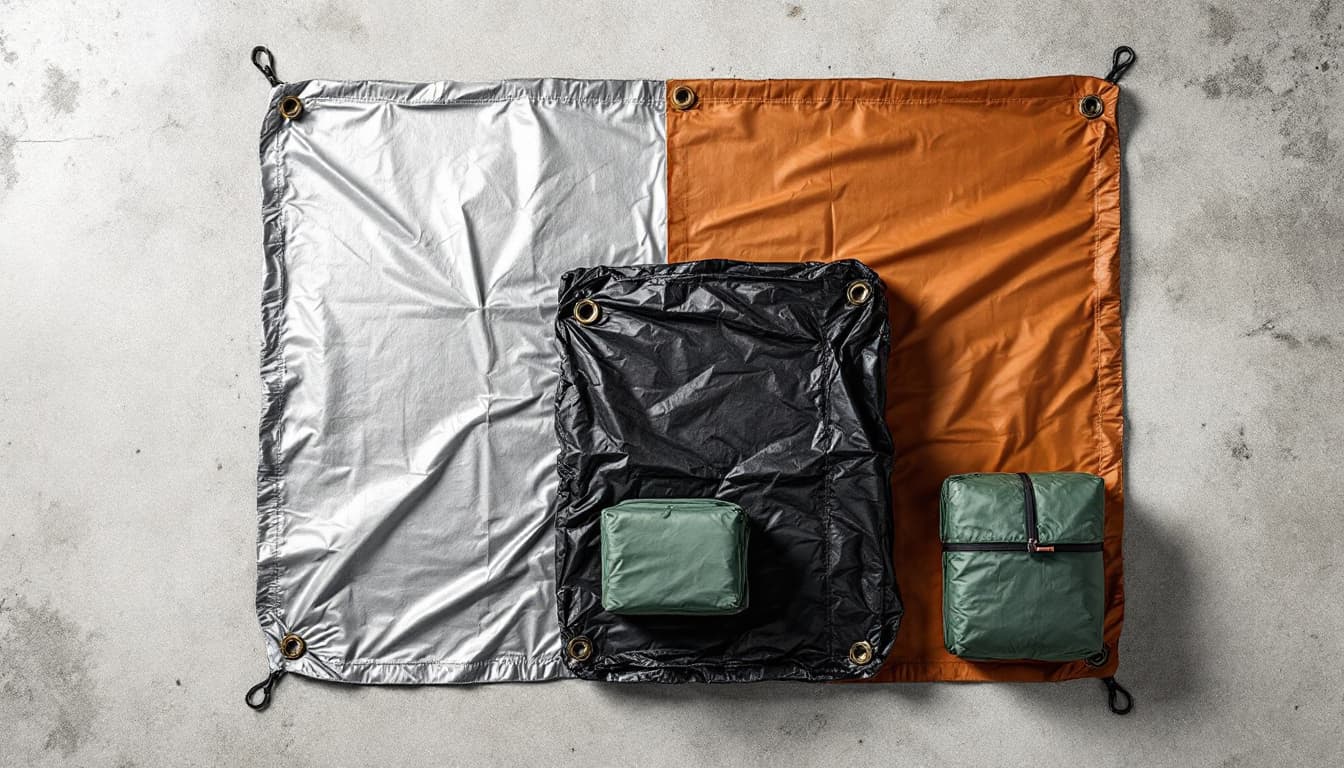
Why tarps belong in your household prep before anything goes wrong
Most preparedness advice skips straight to food storage and water filters. But in the aftermath of a hurricane, ice storm, or windstorm, the thing most likely to destroy your home isn't the initial event — it's water getting in through a compromised roof and sitting there for two weeks while you wait for a contractor. A heavy-duty tarp deployed within the first 24 hours can prevent tens of thousands of dollars in secondary damage. That's not a dramatic claim; it's what insurance adjusters see on every major storm claim. A tarp is cheap insurance on your insurance.
The same logic applies at smaller scale: a vehicle caught in hail, a garden shed roof panel gone missing, a leaking skylight during a week of rain. Tarps are one of those categories where buying ahead of need is clearly smarter than buying in a panic at a hardware store the day a storm hits — when shelves are bare and what's left costs twice as much.
What actually matters when choosing a tarp for emergency use
Mil thickness and weave count are the two numbers worth paying attention to. Mil refers to the thickness of the polyethylene film; weave count refers to how tightly the scrim beneath is woven. An 8-mil tarp at a 10x10 weave and a 20-mil tarp at a 16x16 weave are genuinely different products, not just marketing tiers. For roof exposure lasting more than a few days, most emergency management guidance points toward 16-mil or heavier as the practical minimum.
Grommet quality and spacing matter almost as much as thickness. A tarp that tears out at the grommet holes in 40-mph gusts isn't doing its job. Look for metal or brass grommets with reinforced hem edges, spaced close enough to allow tight, multi-point tie-downs. The premium pick here spaces grommets every 18 inches; the budget pick spaces them at 36 inches — a real difference when you're trying to keep a cover from ballooning in wind.
Finally, watch the white-label crowding in the 20-mil segment. As the market notes here flag, a lot of new SKUs are entering that space with recycled or mixed-material poly that doesn't perform like virgin polyethylene. Sticking to established names with verified sales volume — Core Tarps, Winpull, CARTMAN — is a reasonable proxy for consistent quality control.
How to tier your household tarp kit
Premium tier — Core Tarps 20-mil ($89): This is the tarp you put on a damaged roof and leave there through a month of variable weather while you wait for repairs. The 20-mil virgin polyethylene and 16x16 weave mean it won't degrade or tear the way lighter tarps will under sustained UV and wind load. The tradeoff is weight and bulk — this isn't going in a go-bag, and storing a 10x20 folded tarp takes real space. One of these per household is a meaningful commitment; it's also genuinely the right tool for the worst-case scenario.
Value tier — Winpull 16-mil ($33): This is where most households should start. The 16-mil HDPE hits the sweet spot: real multi-week durability, manageable enough for one or two people to handle on a roof without professional help, and priced low enough that buying two or three for different coverage scenarios is realistic. The brass grommets and rope-stitched hem edges hold up better than the construction suggests at this price. With a 4.7-star rating across more than 1,400 verified reviews and consistent in-stock availability, it's the pick we'd recommend to a neighbor asking what to buy this weekend.
Budget tier — CARTMAN 8-mil ($16): Don't dismiss this one, but be clear-eyed about what it's for. At 8-mil with grommets every 36 inches, it won't survive weeks of roof duty in serious weather. What it will do: protect a vehicle overnight, divert an indoor ceiling leak into a bucket, cover equipment or firewood, or serve as the tarp you grab when you need to move fast and the premium one is already deployed. Its real value is in multiples — at $16, buying three or four to keep in the garage and the car is genuinely affordable, and having a tarp available is almost always better than not having one.

