
The CW show that didn't want to be a CW show
There's a particular kind of television that arrives dressed in teen-drama clothes and then quietly puts a knife in your ribs. The 100 — which premiered on The CW in 2014 and ran for seven seasons — is that kind of show, at least for stretches of its run. Created by Jason Rothenberg and adapted loosely from Kass Morgan's young-adult novels, it opens with a premise that sounds like a network pitch meeting gone slightly feral: ninety-seven years after nuclear war scoured the Earth, the survivors live aboard a decaying space station called the Ark, and they're running out of oxygen. The solution is brutal in its pragmatism — send a hundred young prisoners down to the surface to find out whether the ground is survivable.
What follows, in the best seasons, is something the premise promises but rarely telegraphs in the pilot: a sustained, increasingly ruthless interrogation of what it costs to keep people alive, and who gets to make that call.
A premise that earns its darkness
The show's great initial strength is that it refuses to let anyone be simply right. The hundred who land on Earth must navigate other survivors — "Grounders" who have adapted to radiation across generations — while the adults on the Ark make increasingly desperate decisions about who deserves to breathe their dwindling air supply. Rothenberg structures early seasons as a kind of moral pressure cooker: every episode tightens the screws, and the characters' ethical compromises feel earned rather than manufactured. The central protagonist, a young woman who becomes an unlikely leader, is written with enough contradiction and stubbornness to anchor the chaos. She makes choices that genuinely disturb you, and the show doesn't flinch from the aftermath.
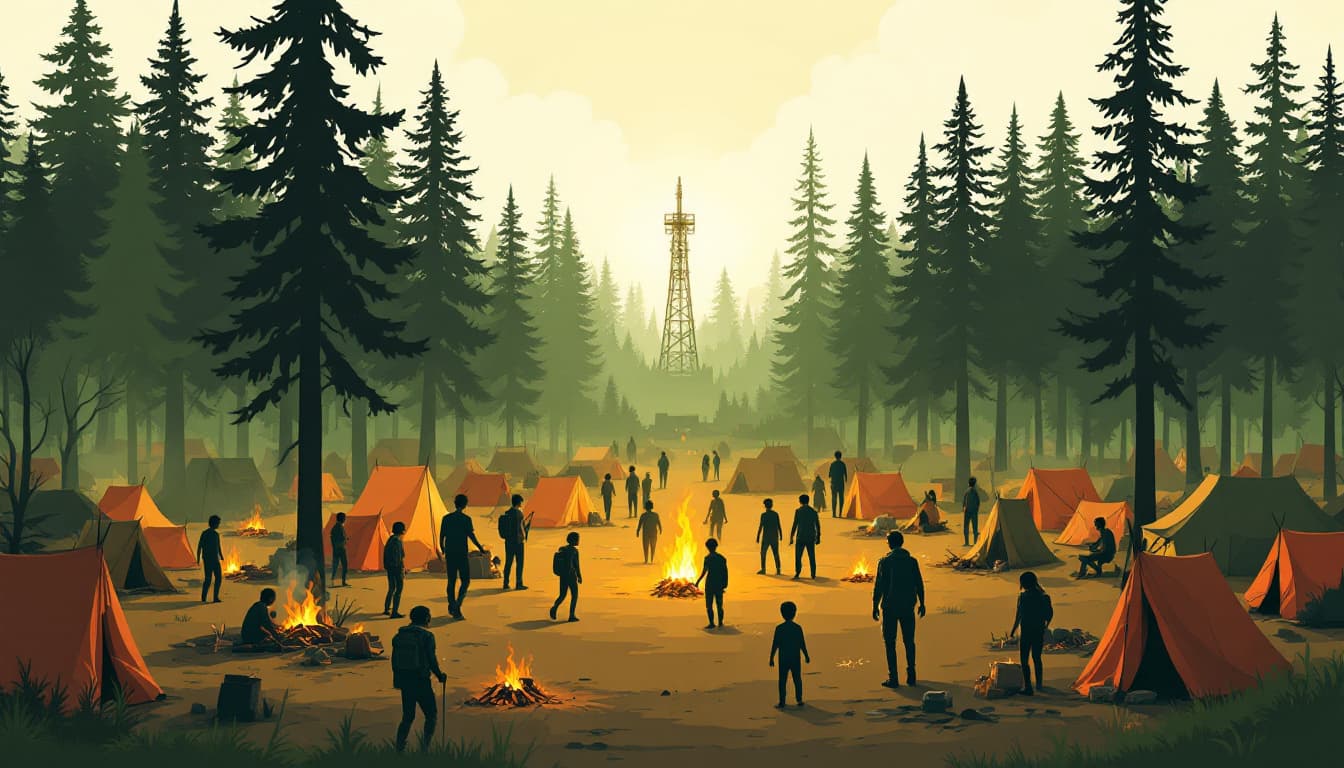
The production design for a CW budget is quietly impressive. The ruins of civilization reclaimed by dense forest, the tribal aesthetics of the Grounder culture, the claustrophobic corridors of the Ark — the show builds a coherent visual world with evident care. The Grounders' constructed language, developed with a linguist, gives the series a texture of worldbuilding seriousness that separates it from its network peers.
Where it sings — and where it stumbles
Seasons one and two are close to excellent. The pacing is relentless but purposeful, and the show earns its reputation for consequence: named characters die, alliances fracture in believable ways, and the audience is rarely permitted to feel comfortable. There's a moral seriousness here that recalls early Battlestar Galactica — the comparison is not idle — in its willingness to implicate the viewer in decisions that have no clean resolution.
The performances are stronger than the show's reputation sometimes suggests. The actress playing the lead brings a ferocious physicality and a credible weight to her character's increasing isolation. The veteran actor playing the Ark's chancellor manages to make bureaucratic ruthlessness genuinely sympathetic. And the show's treatment of its ensemble — particularly a romance between two female characters that the writers clearly believed in — gave it a devoted audience that went well beyond its network demographic.
But The 100 is also a show that starts to eat itself around season four, and by seasons six and seven it has largely lost the plot — literally and figuratively. The escalation problem is endemic to post-apocalyptic genre television: each season must raise the stakes, and eventually you've burned the world so many times that the audience's emotional investment burns with it. New factions, new threats, new metaphysical frameworks are introduced with a regularity that begins to feel desperate rather than inventive. The show's moral clarity — its greatest asset — is progressively muddied not by complexity but by volume. When everything is an existential crisis, nothing is.
There are also craft-level problems that accumulate. Dialogue can be clunky, particularly when characters are asked to explain the plot to each other. The editing in later seasons grows noticeably choppier, as if the writers' room was solving structural problems in the cut rather than on the page. And a controversial late-series decision involving a beloved character provoked such intense viewer backlash that it became a flashpoint in wider television conversations about representation — a reaction that, whatever one's view of the creative choice itself, speaks to the show's failure to manage its audience's trust by that point in its run.
What it ultimately offers
What The 100 offers, even in its inconsistent later run, is genuine ambition — the sense that the creators were trying to say something about collective survival, about the moral cost of necessity, about whether civilization is something you rebuild or something you merely repeat. These are real themes, wrestled with in real dramatic terms. When the show is working, it's asking questions that don't have answers and is honest about that uncertainty. That's rarer than it sounds.
Who should watch it? Anyone who enjoyed Battlestar Galactica's moral complexity or the tribal-warfare dimensions of early The Walking Dead will find much to admire in the first three seasons. Completionists and those with a high tolerance for narrative sprawl can push further. If you're likely to bail when a show loses narrative discipline — stop at season three and feel good about the experience.

