
The show that refused to die — twice
There is something fitting about a show called Jericho having to be rebuilt from rubble. When CBS cancelled it after a so-so first season in 2007, fans mailed the network twenty tons of peanuts — a callback to a defiant line of dialogue — and the show came back for a shorter second run before being cancelled again. That arc of collapse, stubbornness, and partial resurrection mirrors the drama itself: messy, imperfect, but driven by a genuine will to survive. Revisiting it now, nearly twenty years on, it holds up better than its reputation suggests and worse than its most devoted fans insist.
A small Kansas town, a very large catastrophe
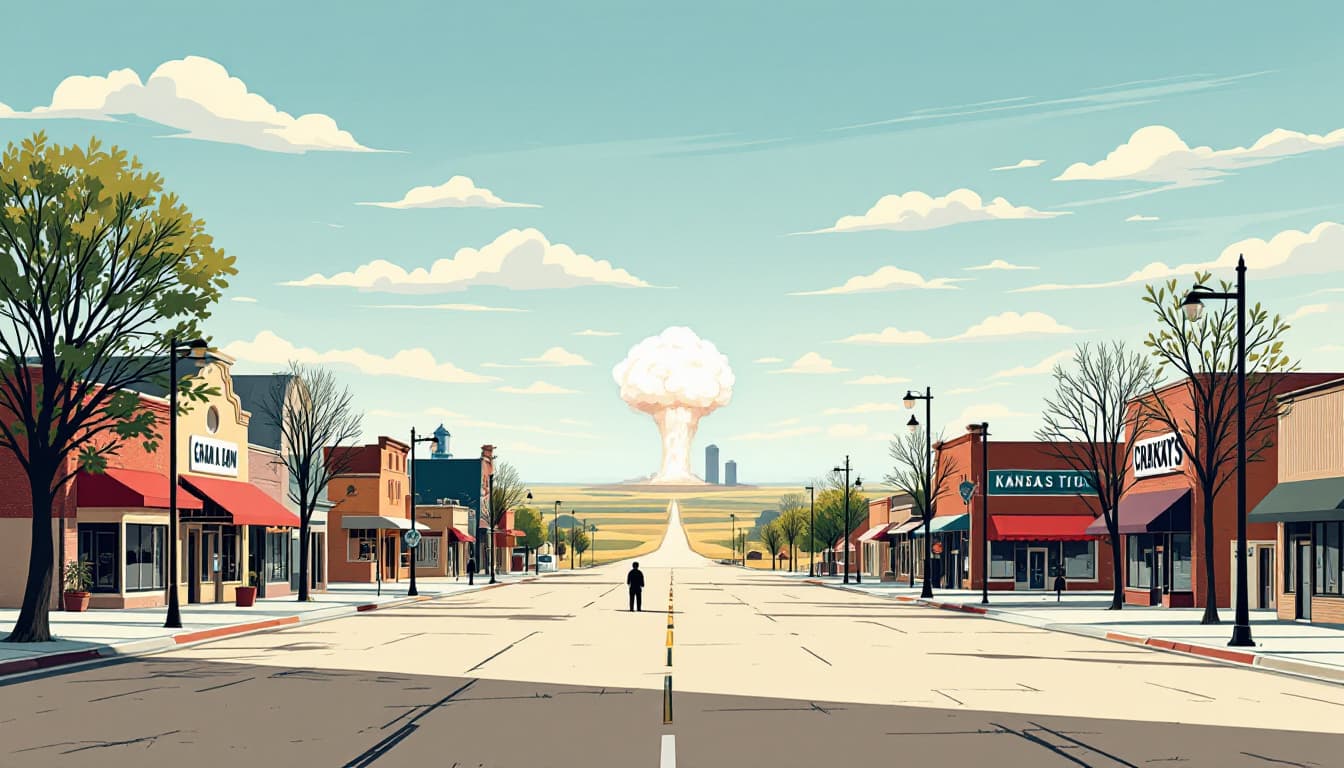
The premise arrives fast and without mercy. Jake Green, the prodigal son of Jericho's mayor, rolls back into his small Kansas hometown on a vague errand. Within the first episode, mushroom clouds bloom on the horizon — multiple American cities, gone. The nation goes dark. What follows is the story of Jericho trying to remain a town: to grow food, manage dwindling medicine, navigate the sudden power vacuum, and figure out what, exactly, happened out there and who is responsible.
The setup is clean and the scale is deliberately intimate. Jericho is not a show about generals or senators (at least not at first); it is about a hardware-store owner, a schoolteacher, a former government figure trying to stay anonymous, a diner that becomes a community hub. That smallness is both the show's great strength and, eventually, the source of its most significant frustrations.
Craft: what the writers and cast are actually doing
Skeet Ulrich anchors the show as Jake, and he is — let's be honest — an inconsistent performer working with an inconsistently written character. Jake is positioned as a man of mysterious competence: he knows how to do things, dangerous things, and the show parcels out his backstory like a reluctant card player. In the early going, Ulrich's laconic quality reads as depth. By mid-season, when the writers keep gesturing at secrets rather than revealing them, it starts to feel like evasion on everyone's part.
Gerald McRaney, as the mayor father, brings the show's most reliable gravitas. Every scene where he has to weigh the needs of three hundred people against the moral cost of a particular decision lands with the weight the writers intend. He makes the local-politics dimension feel genuinely consequential rather than small.
The direction across the first season is competent network television — functional rather than distinctive. The show was made on a budget that showed. But the writers found moments, particularly around the midpoint of season one, where the constraints forced genuine ingenuity. A subplot involving a neighboring town and the negotiation of resources — essentially a diplomatic crisis at the county level — is some of the sharpest writing the show produced. It understands that scarcity changes people before it changes anything else.
What works and what genuinely doesn't
Jericho is at its best when it trusts the audience to handle ambiguity. The question of who orchestrated the attacks, and why, is handled with more sophistication than you'd expect from a 2006 CBS procedural — the show is willing to implicate American institutions in ways that felt daring for network television at the time and remain uncomfortable now. The political thriller threading through the survival drama is genuinely interesting, and the shorter second season, while rushed, sharpens it considerably.
What doesn't work: the show's persistent tendency to defuse tension with soap-operatic romance subplots that feel imported from a different, blander series. There is a love triangle — of course there is — that consumes screen time the show cannot afford to waste. The pacing in the back half of season one sags badly in places, as the writers seem uncertain whether they are making a survival procedural, a political thriller, or a family drama, and occasionally produce something that is fully none of these things.
The show also occasionally mistakes earnestness for depth. Jericho wears its heart openly, which is part of its appeal, but the sentimentality can slide into schmaltz when the writing isn't disciplined. A show that can produce a genuinely tense standoff between communities over salt and medicine will, in the same season, give you a scene of communal haymaking set to uplifting acoustic guitar that borders on parody.
And yet. The show's instinct to center community — to ask what institutions, relationships, and norms a town actually needs to hold itself together — gives it an emotional coherence that slicker, more nihilistic post-apocalyptic dramas often lack. The Walking Dead had better production values and less faith in humanity. Jericho believed, sometimes naively but never lazily, that people might choose to organize rather than simply prey on each other. That choice of vision matters.
Who should watch this
If you came of age with this show, a revisit will be warmer than you expect and more frustrating than you remember — which is probably the correct relationship to have with it. If you're new to it, go in knowing that season one is uneven but worth the patience, and that the compressed second season is where the show finally becomes the thing it always wanted to be. Fans of Station Eleven, The Last of Us, or the quieter end of post-apocalyptic storytelling will find enough here to justify the time. Viewers who need tight plotting and consistent quality should look elsewhere.
Jericho is the kind of show that was better than its ratings and worse than its legend. It deserved more than two seasons and also, occasionally, deserved its cancellation. Both things are true.

