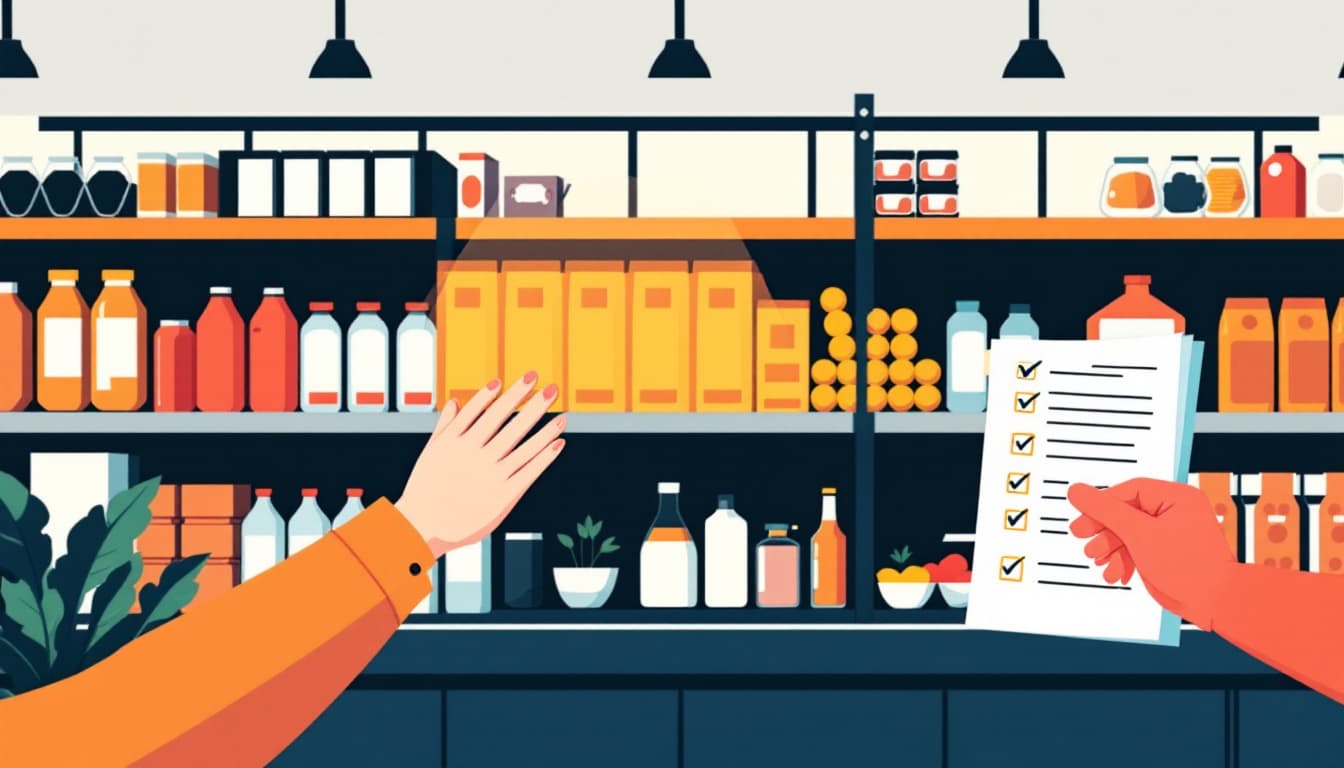
Wegmans, the Rochester, New York–based grocery chain long associated with upscale store environments and prepared-food departments, opened its latest location with an explicit emphasis on low pricing — a notable shift in brand messaging that Grocery Dive reported on this week. The company has been signaling that affordability, not just experience, will define how it competes as consumers remain acutely sensitive to what they spend at the register.
Wegmans operates roughly 110 stores across the northeastern and mid-Atlantic United States, and the new opening continues the chain's measured expansion pace. Company leadership has publicly framed the pricing focus as a response to sustained household budget pressure — the same dynamic that has pushed discount grocers and private-label products to record market share over the past several years. Specific price comparisons or promotional figures tied to the new store were highlighted in the Grocery Dive coverage as part of Wegmans' outward-facing launch messaging.
For readers who track food procurement beyond weekly shopping, the more telling detail in this story is structural rather than promotional. When a mid-to-high-tier regional grocer formally repositions around price at a new flagship opening, it reflects what wholesale and supply-chain data have been showing for months: margin compression across the grocery sector is significant enough that even retailers with strong brand loyalty feel pressure to compete on cost rather than rely on ambiance and selection alone. That compression affects which products stay on shelves, which suppliers get squeezed, and ultimately which bulk or shelf-stable categories become harder to source at predictable price points — factors that matter when you're trying to build or rotate a longer-term food supply.