On June 28, 2021, the temperature in Lytton, British Columbia reached 121°F. Seattle hit 108°F two days earlier — a record that still stands. Raspberry fields across the Skagit and Whatcom valleys lost significant portions of their crop in a matter of hours. Nothing in Pacific Northwest gardening culture had prepared growers, commercial or backyard, for that kind of event.
A report this week from Growing Produce covers how commercial raspberry operations are now experimenting with shade cloth and microclimate management to protect canes during extreme heat. The piece is aimed at growers running acreage. But the underlying problem — raspberries and many other soft fruits collapse above roughly 90°F — applies identically to the home garden in Bellingham, Yakima, or the Eastside suburbs of Seattle.
What's actually changing
Washington's summers are not getting uniformly hotter. They're getting spikier. The baseline from May through early July stays relatively mild, then a ridge of high pressure parks over the region and temperatures jump 20 to 30 degrees in 48 hours. The Washington State Department of Ecology has documented that heat events of this kind are occurring more frequently and with less lead time than they did two decades ago.
For households growing food, this pattern is more disruptive than a steady temperature increase would be. Plants that have been acclimating to 65°F nights suddenly face 100°F afternoons. Fruit on the cane or vine at that moment is largely unrecoverable. Berries shrivel. Tomato blossoms drop. Lettuce bolts overnight.
This matters beyond the garden aesthetically. Washington households that grow even a modest amount of their own food — berries, tomatoes, greens — are practicing a real, low-cost form of food security. Losing a crop to a heat spike you didn't prepare for is a concrete supply chain failure at the household level. Grocery store soft fruit prices spike during and after regional heat events, and local farm stands often sell out fast.
What we'd actually do
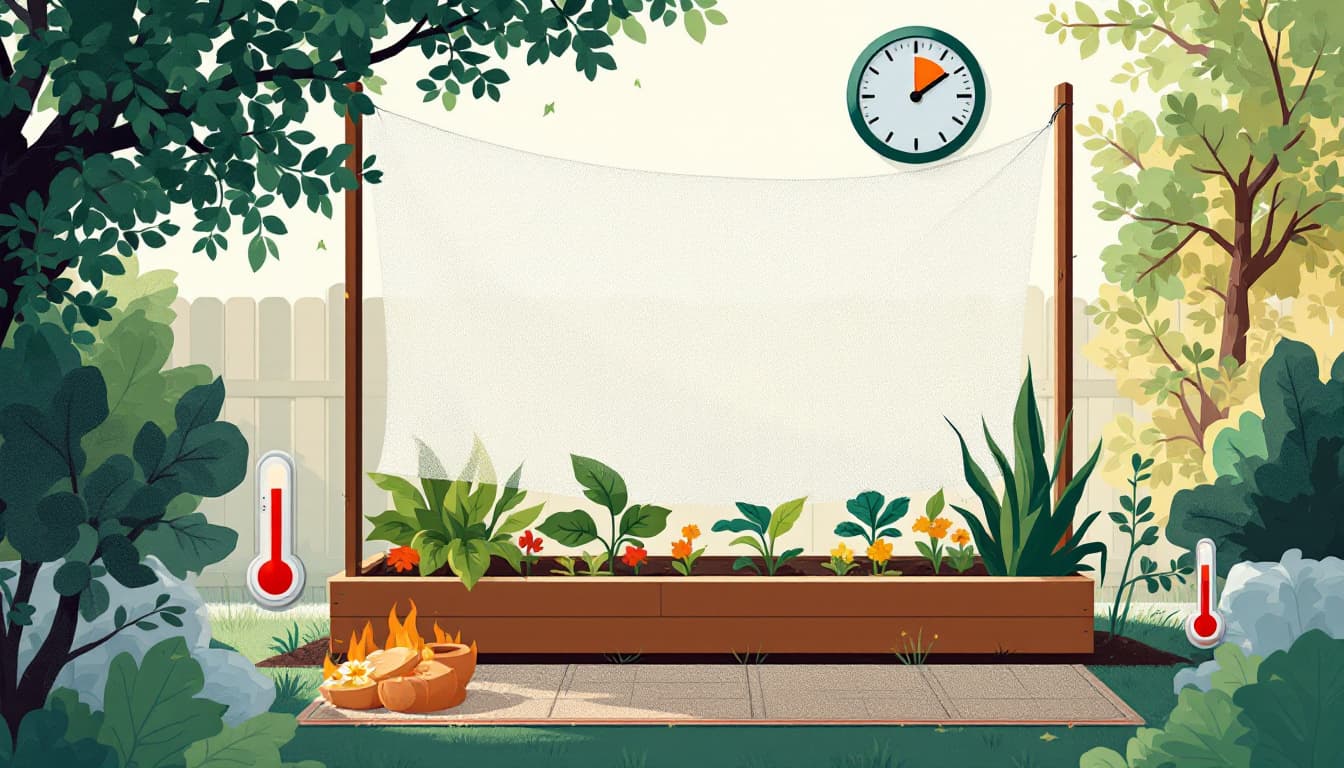
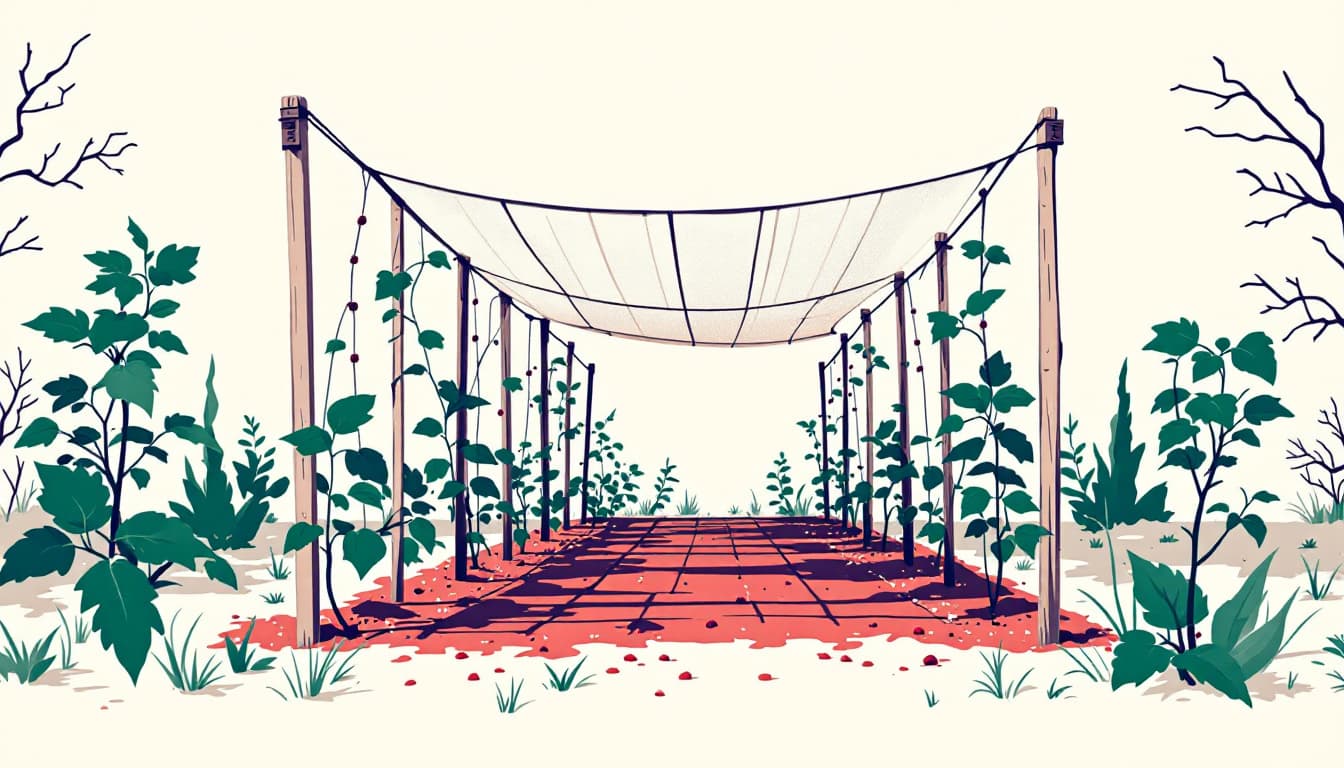
Get 30% shade cloth on your berry canes before July 4th. Shade cloth rated at 30% light reduction is available at most hardware stores and farm supply retailers in Washington for roughly $20–$40 for a 10-by-20-foot section. Drape it over a simple PVC or wire hoop frame above your canes. It reduces canopy temperature by 8–12°F during peak afternoon heat without meaningfully cutting photosynthesis during morning hours. The commercial growers in the Growing Produce piece are doing the same thing at scale — the physics work identically in your backyard.
Set up a soil moisture threshold, not a watering schedule. During a heat event, watering on a fixed schedule is too slow. Stick a basic soil moisture meter (under $15 at any garden center) 4 inches into the root zone of your most vulnerable plants. Water when it reads dry, not on Tuesday and Friday. During a three-day heat event, that could mean watering daily or twice daily. Skagit County Extension's home garden guidance emphasizes consistent soil moisture as the single biggest factor in plant heat survival.
Identify your backup cold storage now, before you need it. If a heat event lands while your raspberries are at peak ripeness, you may need to harvest all of them in one day rather than lose them. Know whether your refrigerator has room, and consider whether you have freezer capacity. A small chest freezer purchased before the season starts costs about $150–$200 and pays for itself quickly if you grow soft fruit at any volume. Berries freeze well and retain nearly full nutritional value.
Text or call one neighbor who gardens. Local heat events affect everyone in a microclimate similarly. A neighbor with shade cloth, a neighbor with extra fridge space, a neighbor willing to split a harvest and preserve it together — this is the original mutual aid network. It costs nothing to establish before the emergency.
The bigger picture
The goal here is not a bunker full of freeze-dried meals. It's a household that doesn't get knocked sideways by a three-day weather event. Washington's climate variability is real, it's documented, and it has direct consequences for anyone trying to grow food or manage a food budget. The commercial raspberry industry is adapting its infrastructure. Home gardeners have the same options at a fraction of the cost.
Durability looks like a roll of shade cloth in the garage and a neighbor's phone number in your contacts. Start there.