A pint of organic ice cream in the freezer feels like one of the safer bets in your kitchen. It's sealed, it's frozen, and it came from a well-regarded creamery. That assumption is exactly what a recall breaks.
A report this week from News Talk KIT describes Straus Family Creamery pulling ice cream from shelves across 17 states — Washington included — due to potential metal fragment contamination. The creamery is a premium brand with a strong Pacific Northwest following, sold at co-ops and natural grocery chains throughout the Puget Sound region, the Cascades corridor, and down into southwest Washington. The recall is not theoretical: metal fragments in food can cause lacerations, broken teeth, or choking, particularly in children and older adults.
What's actually changing here
This is not a story about a rogue bad actor. Metal contamination in food manufacturing almost always traces back to equipment failure — a worn blade, a broken screen, a conveyor component that sheds at the wrong moment. Quality control catches most of it. This one got through.
What makes this particular recall worth a second look for Washington households is how it exposes the gap between "premium" and "safe." Straus is not a cut-rate producer. Their California organic certification and cold-chain integrity are part of what commands the price point. Yet contamination doesn't discriminate by label. The USDA and FDA recall databases show that organic, artisan, and conventional producers fail at roughly comparable rates when equipment ages or protocols slip.
Washington shoppers also tend toward natural-food retail channels — PCC Community Markets, Marlene's, independent co-ops — where Straus has significant shelf presence. If you've bought Straus ice cream in the last few months, check your freezer now. The FDA's recall page and the Straus website both carry the specific lot codes and UPC numbers you need to verify.
The broader pattern: recalls are accelerating. Recent FDA data shows the volume of Class I recalls (those posing the highest risk of serious harm) trending upward over the past several years. Supply chains are longer, equipment cycles are longer, and inspection resources haven't kept pace. Washington households should build the habit of checking recalls, not just responding to them when a news item surfaces.
What we'd actually do
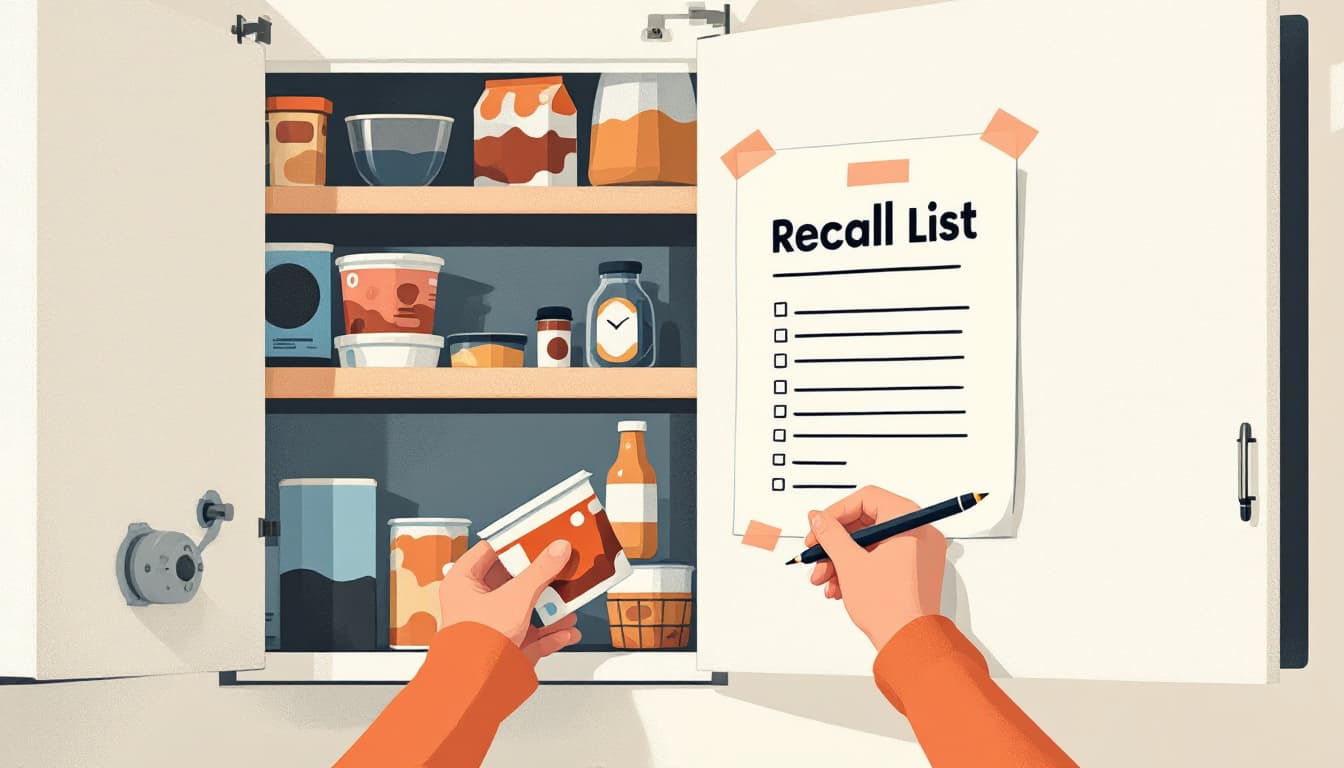
Check your freezer against the lot codes today. Pull the Straus containers out and compare the UPC and lot number printed on the bottom against the specific codes listed on FDA.gov or the Straus website. If it matches, don't eat it. Contact the retailer for a refund — most will process it without the original receipt for a recall.
The instinct to "just check if it looks okay" doesn't work with metal fragments. A fragment small enough to miss visually is large enough to chip a molar. There is no home inspection that substitutes for the lot-code check.
Set up FDA and USDA recall alerts. Both agencies offer free email and RSS notification services. The FDA's MedWatch and the USDA's FSIS recall page each let you subscribe by product category. Takes five minutes. Washington households buying from natural-food retailers are disproportionately buying products that sit in the FDA's jurisdiction (dairy, produce, packaged foods), not USDA's, so start there.
Audit your frozen food rotation. A recall like this is a prompt to look at what else is sitting in the freezer and how old it is. Freezer items don't spoil in the traditional sense, but they do accumulate: the forgotten bag of berries, the unlabeled container, the product you bought in bulk. Label with purchase date, rotate front-to-back, and know what you have. This is basic household inventory practice that pays dividends far beyond any single recall.
Know your retailer's recall policy before you need it. PCC, Whole Foods, and most co-ops will refund recalled products without a receipt or membership lookup. Costco's system is particularly strong — they can pull your purchase history. Call ahead or check the store's website so you're not guessing at the customer service counter.
Teach your kids the habit. If you have children old enough to open the freezer independently, this is a low-stakes, high-value moment to explain what a recall is, how to look up a product, and why not every package on the shelf stays safe once it leaves the factory. That skill compounds.
The bigger picture
No household can achieve zero food-safety risk. Recalls will keep happening, from brands you trust as readily as brands you don't. The goal isn't paranoia about every pint of ice cream — it's building the fifteen-minute-a-month habit of checking the alerts so you're not the last family to find out.
Washington's food culture leans toward local, artisan, and organic producers. That's worth keeping. Just keep it with open eyes.