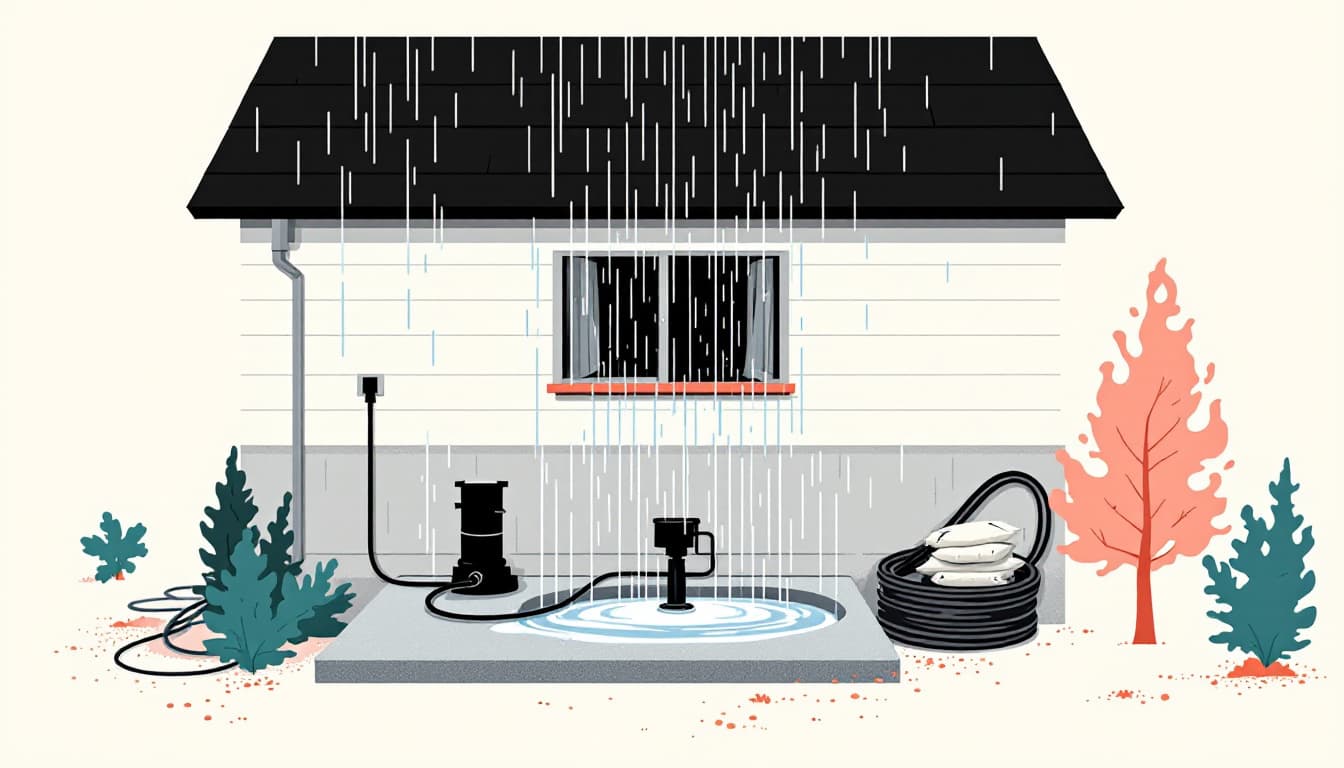
Severe storm systems swept through parts of Washington State this week, knocking out electricity to thousands of residents and leaving behind a trail of downed trees, damaged structures, and flooded roadways. The storms, which brought high winds, heavy rain, and localized lightning, were part of a broader weather pattern affecting the Pacific Northwest during what has been an unusually turbulent late-summer season. A report this week from WPXI documented similar storm damage in Western Pennsylvania, underscoring how this type of fast-moving severe weather is causing widespread disruption across multiple regions of the country simultaneously.
Puget Sound Energy and Seattle City Light, two of Washington's primary electric utilities, reported outages affecting communities across King, Pierce, and Snohomish counties, with crews deployed to restore service to affected neighborhoods. The Washington State Department of Transportation issued road closure alerts along several routes in the Cascade foothills where debris flows and downed timber blocked travel. Emergency management offices in multiple counties activated response coordination through the Washington Emergency Management Division, which monitored conditions statewide from its operations center in Camp Murray, near Tacoma.
Wind gusts in some areas reportedly exceeded 60 miles per hour, strong enough to topple mature conifers — a particular hazard in western Washington, where dense stands of Douglas fir and western red cedar frequently come down onto power lines and structures during high-wind events. Rainfall totals in portions of the Olympic Peninsula and the western slopes of the Cascades surpassed two inches in under six hours in some reporting stations, contributing to rapid runoff into already-elevated river systems.
Washington's interconnected infrastructure presents specific vulnerabilities that make storm events like this one more consequential than they might appear on the surface. The state's electrical grid serves as a critical backbone for the water treatment and pumping systems that supply municipalities from Bellingham to Vancouver, meaning that extended outages can quickly cascade into water pressure and potability concerns for urban residents. The Puget Sound airshed, already sensitive during wildfire season, can also be affected when backup generators run for extended periods across a large geographic area. Residents and emergency managers in Washington are well aware that the same Cascade geography that creates the state's dramatic landscapes also channels and amplifies storm systems in ways that can isolate communities for hours or days — a dynamic that the Middle Class Prepper generator and backup power reviews have addressed for households evaluating their tolerance for extended grid interruptions.