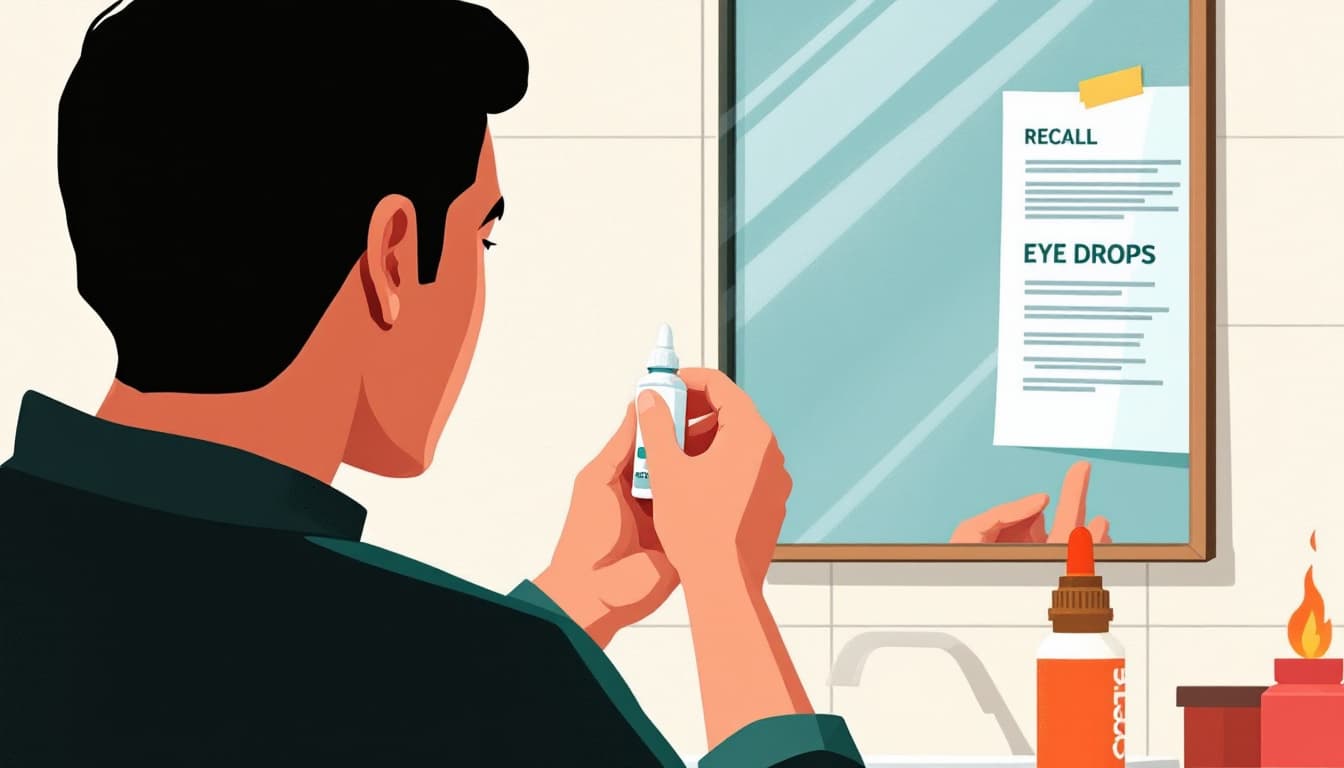
A report this week from The Washington Post detailed the recall of nearly 40,000 eye drop bottles due to potential contamination concerns. The recall affects a significant volume of product that has already reached retail shelves and consumers across the country, including in Washington state, where eye care products are distributed through major pharmacy chains concentrated in metro areas like Seattle, Spokane, and Tacoma, as well as rural communities served by regional distribution networks.
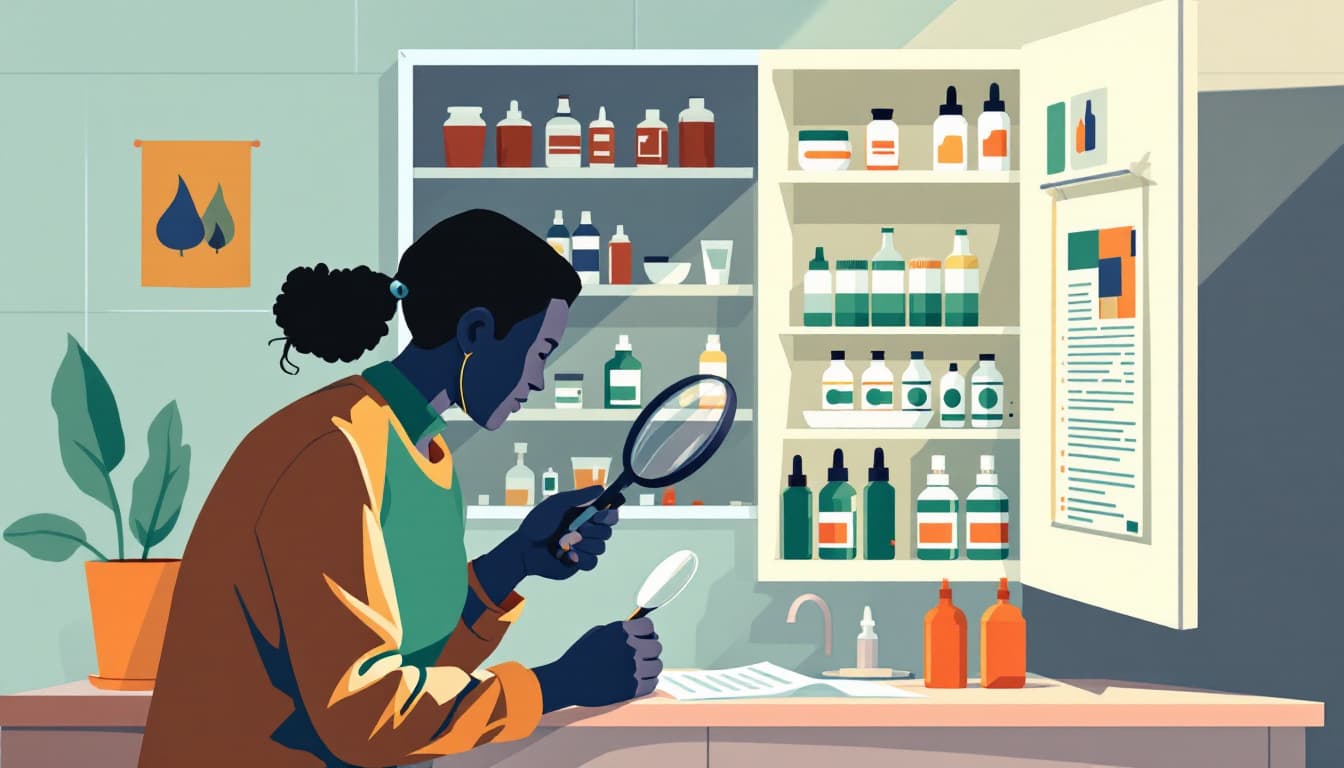
The recall was initiated over concerns that the bottles may be contaminated, though the specific nature of the contamination — whether microbial, particulate, or chemical — was not fully detailed in the available reporting. The U.S. Food and Drug Administration tracks such actions through its MedWatch system, and consumers are generally directed to check lot numbers printed on packaging against the recall notice to determine whether a specific bottle is affected. Eye drop contamination carries meaningful health risks, as topical ophthalmic products bypass many of the body's normal defenses and are applied directly to sensitive tissue.
Washington's Department of Health maintains a consumer alerts page that typically mirrors FDA recall notices and provides state-specific guidance for residents seeking to verify affected products or report adverse events. The state's pharmacy regulatory body, the Washington State Department of Health Pharmacy Quality Assurance Commission, oversees licensed pharmacies that would be responsible for pulling recalled stock from shelves.
For preparedness-minded households in Washington, this recall is a practical reminder that over-the-counter medical supplies stored in home caches — including eye drops kept in go-bags, first aid kits, or long-term supply stores — are subject to the same recall systems as freshly purchased products. Washington residents who stock eye care supplies for wildfire smoke seasons, which have grown longer and more severe across the state's eastern and western airsheds in recent years, may have older stock on hand that predates awareness of a given recall. The FDA's recall database is searchable by product type and can be checked directly against lot numbers found on stored supplies.