A Tacoma News Tribune report this week is running household water-saving tips as Western Washington moves through a stretch of high heat and drought. That's routine summer journalism. What it signals underneath is less routine: municipal utilities across the Puget Sound region are entering the part of the season where snowpack is gone, reservoirs are drawing down, and demand peaks. Tacoma Public Utilities, Seattle Public Utilities, and smaller Kitsap and Thurston County systems are all operating under the same physics.
Washington is not Arizona. Most residents here don't carry a mental model of water scarcity. That's exactly the gap worth closing right now.
What's actually changing
The Pacific Northwest relies disproportionately on snowpack as a slow-release reservoir. When winters run warm and dry — as recent years increasingly have — that natural buffer shrinks, and summer drawdown hits faster. The Cascades still feed the major systems, but state Department of Ecology drought data has shown parts of Eastern and Central Washington under drought conditions since late spring, with some Western Washington river basins watching low streamflows.
Voluntary conservation requests from utilities typically come four to six weeks before mandatory restrictions. If your utility hasn't asked yet, that's not a clearance signal — it's a runway. Mandatory Stage 1 restrictions in most Washington utility districts ban irrigation during daytime hours, limit lawn watering to specific days, and can carry fines. Stage 2 typically suspends outdoor water use almost entirely.
The other factor most tips articles skip: well-dependent households on the Kitsap Peninsula, Whidbey Island, Vashon, and rural stretches of Snohomish and Pierce Counties face a different risk. Municipal customers get metered rationing. Well users get a dry pump.
What we'd actually do
Check your utility's drought status page this week, not when restrictions are announced. Seattle Public Utilities, Tacoma Public Utilities, and Ecology's WaterSHED portal each publish current status. Bookmark it. Knowing your utility is at Stage 0 versus watching Stage 1 triggers changes what you should do in the next two weeks.
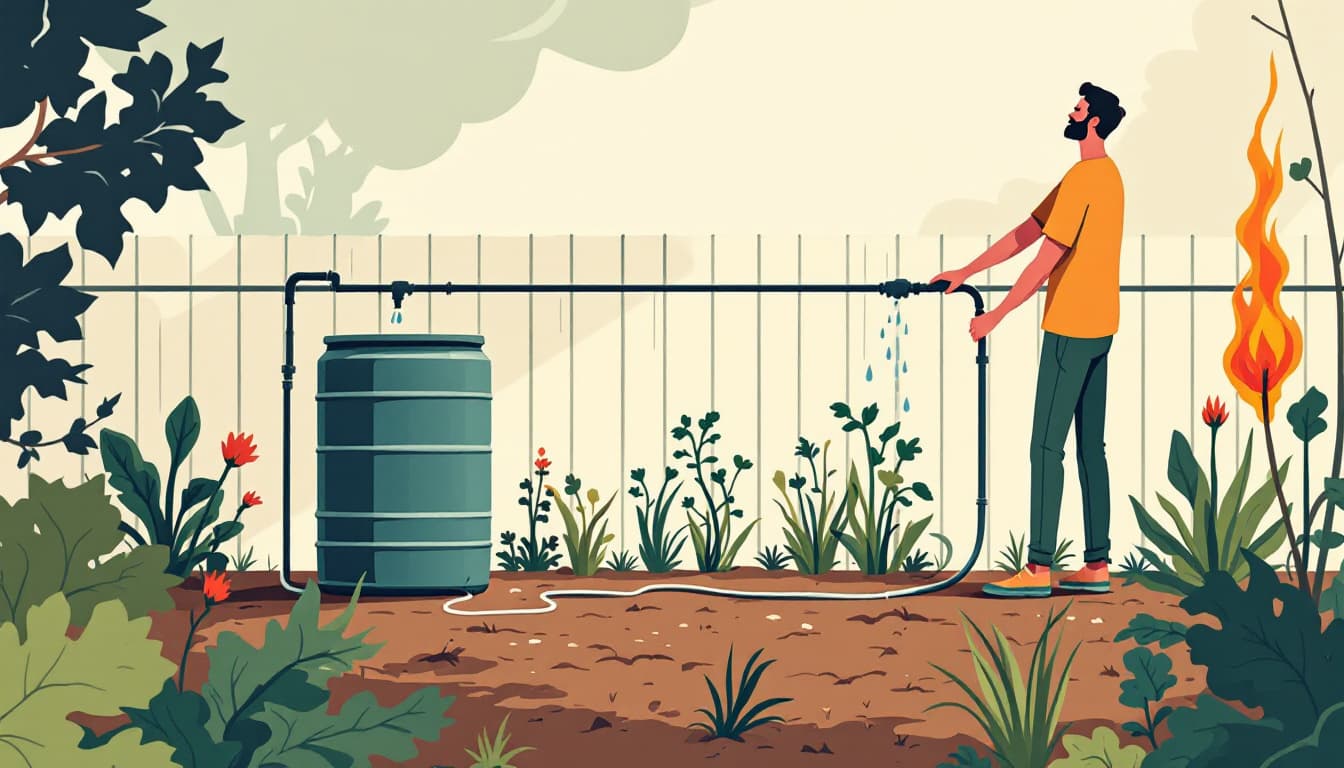
Audit your outdoor water use and front-load it to evening. Washington's dominant residential water use in summer is landscape irrigation, not indoor consumption. Shifting irrigation to after 8 p.m. or before 6 a.m. cuts evaporative loss by roughly a third and keeps you compliant if Stage 1 drops. More concretely: if you're watering a lawn, ask whether the lawn is worth defending at all through August. Cool-season grasses go dormant, not dead, in a Washington dry summer. They recover in September.
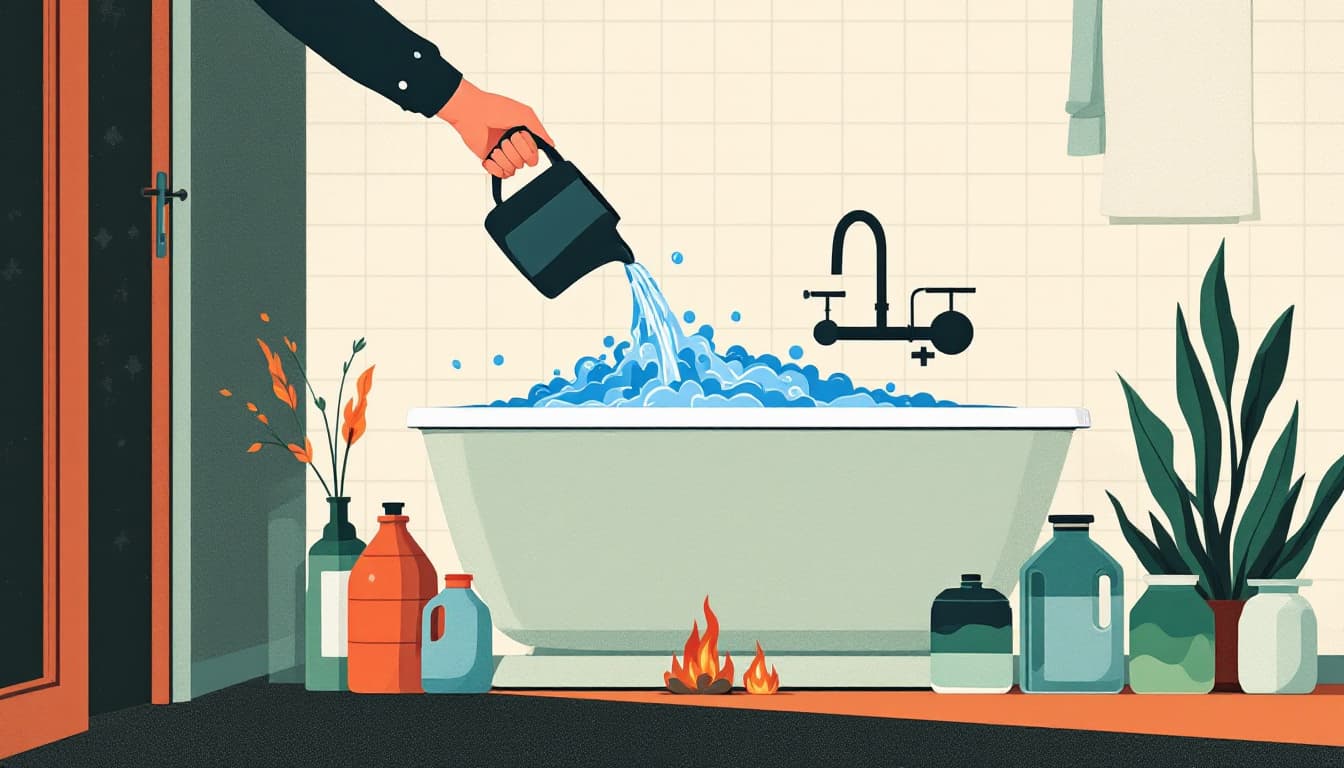
Store a two-week indoor supply for drinking and sanitation. The math is 1 gallon per person per day for drinking and basic hygiene — not showers. A family of four needs roughly 56 gallons stored for two weeks. Food-grade 5-gallon containers cost under $10 each at most hardware stores and stack in a garage or utility room. This isn't doomsday prep; it's the same buffer a good supply chain manager keeps on hand. Municipal water rarely gets cut to zero, but pressure drops, quality advisories happen, and boil orders after a heat-emergency infrastructure event are not rare.
If you're on a private well, get your water level checked now. Well installers and pump service companies across rural Pierce, Thurston, Kitsap, and Island Counties book out fast once August restrictions hit and neighbors start calling with dry pumps. A well inspection now costs a service call. An emergency pump pull in late August costs three times as much and a two-week wait. Ask your installer what your static water level is and what your pump's minimum operating depth is. Know the number.
Talk to your neighbors about shared pressure. This sounds soft, but it has real mechanical teeth. In subdivision developments and older cul-de-sacs served by distribution mains, simultaneous peak demand from multiple households drops line pressure below what your fixtures expect. Informal neighborhood agreements to stagger irrigation cycles — odd addresses on odd days, even on even — actually work, and many utilities will formalize this in Stage 1 anyway.
The bigger picture
Washington households have spent decades living upstream of the drought problem that has restructured daily life in California, Nevada, and the Southwest. That structural advantage is narrowing. The state's water rights system, its reservoir infrastructure, and its utility planning were all built around a climate that delivered more predictably. They are not broken, but they are under new stress.
The goal here isn't to live in fear of turning on a faucet. It's to build a small buffer — stored water, efficient habits, a clear picture of where your water actually comes from — so that a dry August stays a minor inconvenience rather than a household crisis. That buffer costs almost nothing to build now and is worth considerably more once everyone is trying to build it at the same time.