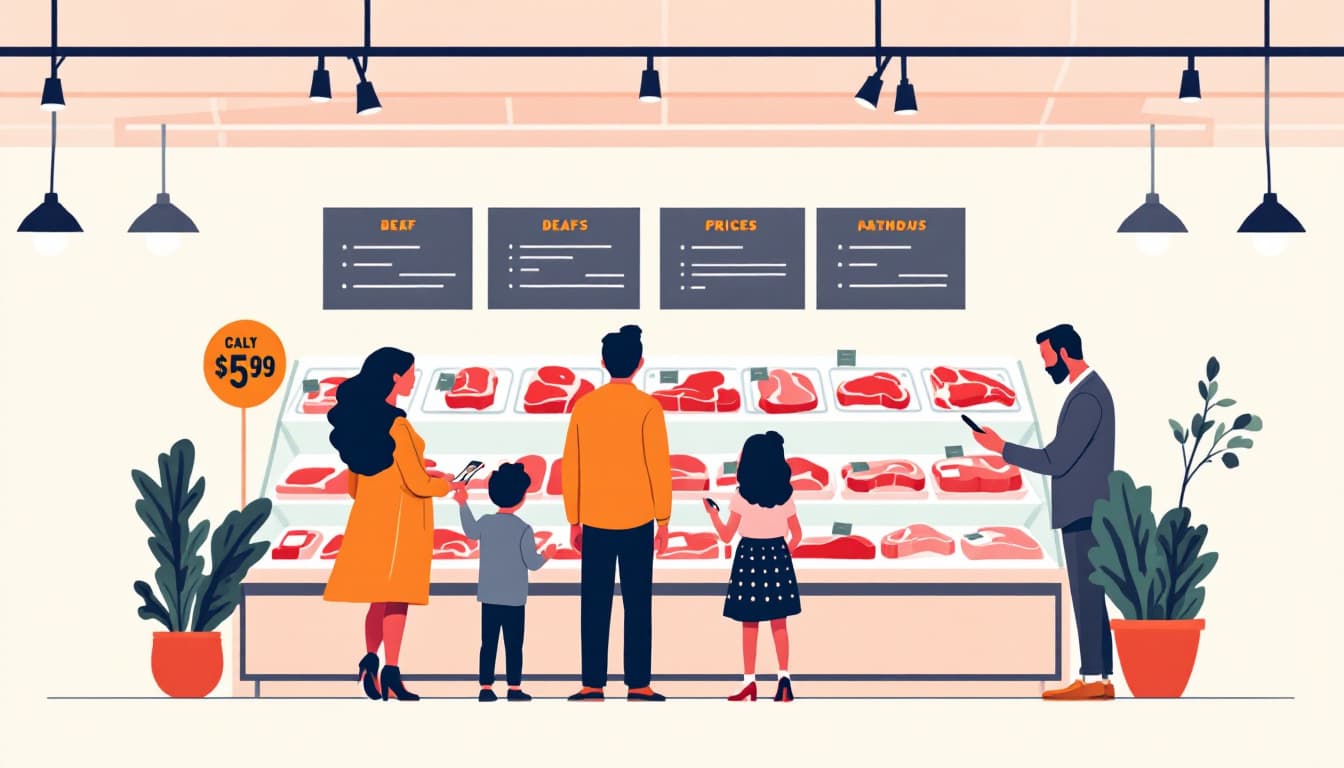
Tyson Foods, one of the largest meat processors in the United States, is shutting down two domestic beef processing plants, a development The Guardian covered this week as part of broader reporting on what the closures could mean for consumer grocery costs. The company has not publicly disclosed the exact combined daily processing capacity being taken offline, but Tyson's beef segment alone has historically processed millions of pounds of cattle per week across its network, making any facility reduction meaningful at scale.
The closures arrive at a moment when domestic beef prices were already elevated. USDA data heading into mid-2026 showed retail beef prices running well above five-year averages, driven by a cattle herd that has been at multi-decade lows following years of drought-forced herd liquidation across the Southern Plains and Southwest. The U.S. beef cow inventory, as of the USDA's January 2026 cattle report, remained near its smallest since the early 1960s, meaning the supply of cattle available to processors was already constrained before any plant capacity was removed from the equation.
Tyson has framed the shutdowns as part of an operational efficiency strategy, consistent with cost-cutting moves the company began signaling to investors in 2023 and 2024. The closures follow a pattern seen across the meatpacking industry, where a small number of large processors — Tyson, JBS, Cargill, and National Beef — control the overwhelming majority of fed-cattle slaughter capacity in the country. Analysts quoted by The Guardian noted that removing processing capacity in a concentrated industry tends to reduce competitive pressure on pricing, which typically works against consumers.
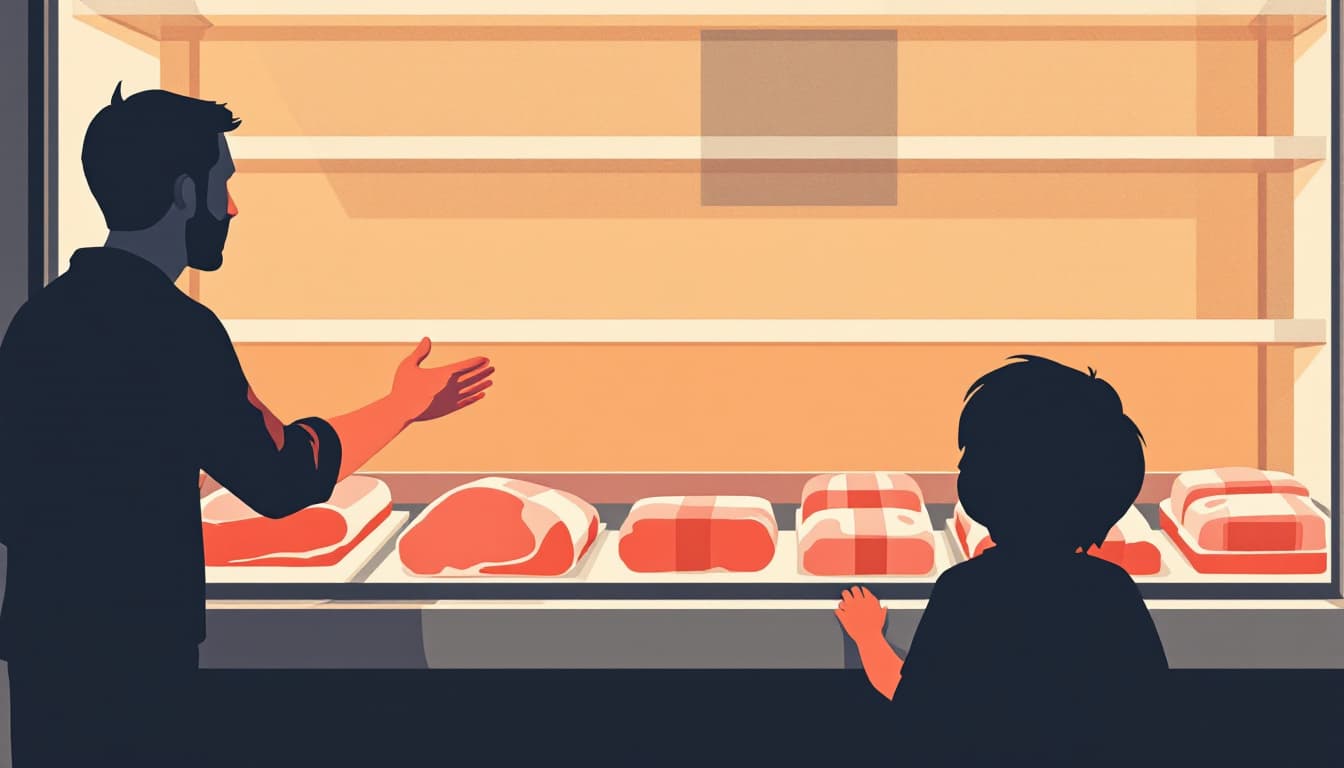
What general coverage of this story tends to skip is the structural dynamic that makes this consolidation particularly significant from a supply resilience standpoint. The U.S. beef processing system is not just concentrated by company — it is geographically concentrated as well, with a disproportionate share of capacity clustered in a handful of states including Kansas, Nebraska, Texas, and Iowa. When a single large plant goes offline for any reason — whether a planned closure like this, a fire, a labor disruption, or the kind of cyberattack that halted JBS operations in 2021 — the knock-on effects move through the entire downstream chain with limited redundancy to absorb the shock. Shoppers who maintain even a modest stored supply of shelf-stable or frozen protein, as reviewed in our chest freezer guide, are simply less exposed to the price spikes and spot shortages that tend to follow these consolidation events, not because of any single emergency, but because of how little slack exists in the system on a normal operating day.
The timing of the shutdowns relative to fall grilling season and the pre-holiday demand buildup for ground beef and roasts is something retail buyers will be watching closely. Whether the closures translate into visible price movement at the case level will depend partly on how quickly cattle that would have moved through those facilities are redirected to remaining plants — a process that carries its own logistical costs and is not instantaneous.