Picture the standard emergency preparedness checklist. Water. Food. Flashlights. A go-bag with copies of important documents. Maybe a manual can opener, because somebody on a podcast told you to buy one.
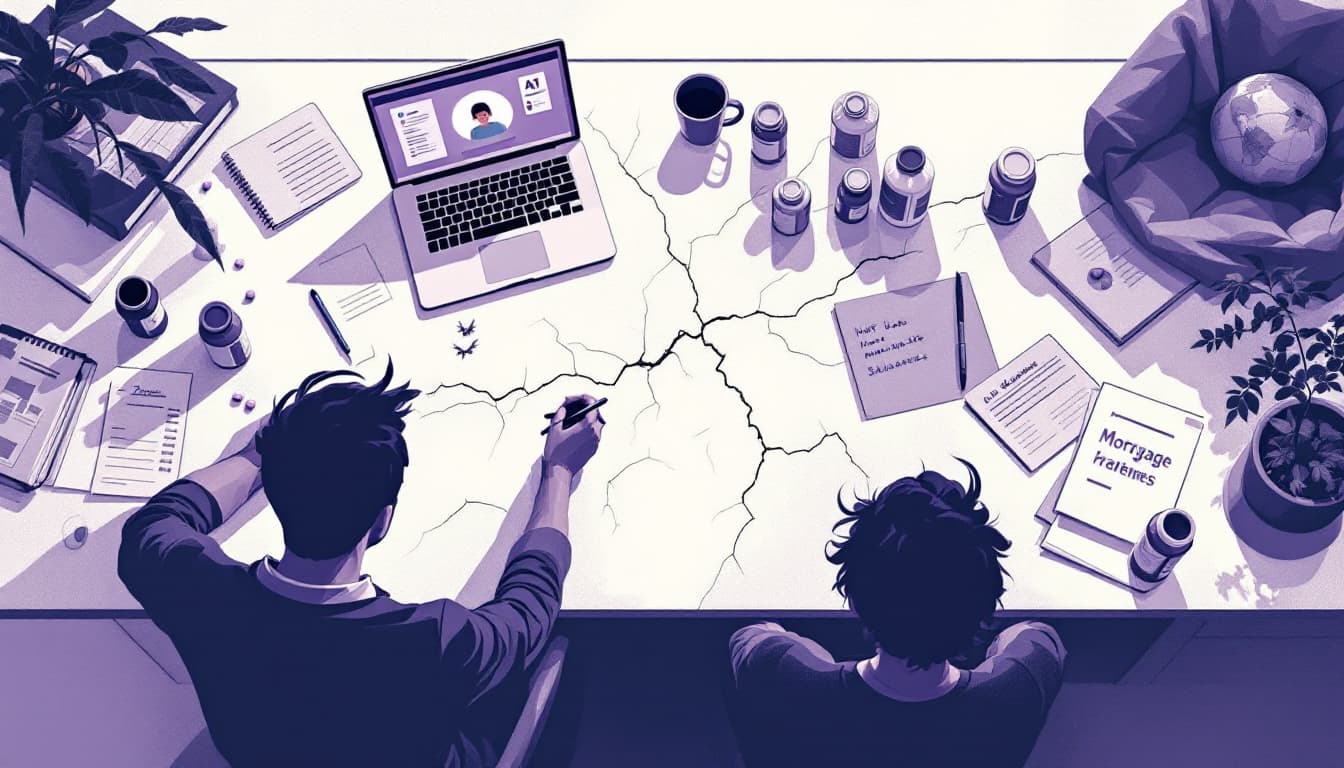
Now picture your medicine cabinet. The metformin your father-in-law takes twice a day. The levothyroxine that has to be taken on an empty stomach every morning and stops working predictably if dosing slips. The blood pressure medication your spouse refills every thirty days, usually on day twenty-nine.
That cabinet is not on most checklists. It probably should be the first item.
The structural problem hiding in plain sight
About half of American adults use at least one prescription drug regularly, according to recurring federal health survey data. Among adults over sixty-five, that share climbs past eighty percent. Most of these medications are maintenance drugs — meaning missing a week is not an inconvenience, it is a clinical event.
Here is where the math gets uncomfortable. The majority of active pharmaceutical ingredients used in U.S.-dispensed drugs are manufactured abroad, with a substantial share originating from a handful of countries in Asia. This is not a secret. The FDA publishes shortage data publicly, and that list has grown materially over the past decade — generic antibiotics, cancer drugs, anesthetics, and common cardiovascular medications have all cycled through shortage periods in the last few years. The typical American household has no awareness of which drugs on their specific list are structurally fragile, because that information does not appear on the prescription label.
The scenario that matters here is not a catastrophic collapse. It is the mundane version: a regional weather event that closes distribution centers for ten days, a manufacturer quality hold that pulls a generic off shelves for six weeks, a supply crunch that makes your specific thyroid dosage unavailable but leaves the adjacent dose in stock. These are events that have happened. They will happen again. They do not make national news unless a particularly sympathetic patient story surfaces.
Why people consistently underweight this
The behavioral economics here are not mysterious. Prescription refills happen on a rhythm that feels automatic — insurance won't pay for a refill until day twenty-five of a thirty-day supply, so households are structurally conditioned to stay close to empty. The system's incentives and the household's preparedness interests point in opposite directions, and most people never notice the tension because nothing bad has happened yet.
There is also a status problem. Prepping for food and water feels like prudence. Asking your doctor for a slightly early refill because you want a two-week buffer on hand feels — to most people — vaguely embarrassing, like you are overstating a threat. So they do not ask.
And physicians, for their part, are not generally trained to think about supply chain resilience as part of patient care. That framing simply does not exist in most clinical relationships.
Mapping the actual exposure
The useful exercise here is not to stockpile indiscriminately. It is to sit down and categorize every maintenance medication in your household along a single axis: what happens if this drug is unavailable for two weeks?
That question sorts quickly. Some medications have easy substitutes — multiple generics in the same class, or a condition where brief interruption is uncomfortable but not dangerous. Others are narrow: a specific thyroid formulation where bioequivalence matters, an insulin type that cannot be swapped without physician oversight, a psychiatric medication where discontinuation carries real risk.
The narrow ones are your actual exposure. A household might have six maintenance prescriptions and only one that is genuinely fragile. Knowing which one focuses the problem considerably.
The follow-on questions become practical: Does your prescriber have a documented emergency protocol? Does your state have a pharmacist dispensing override for emergencies — many do now, in limited form? Is there a therapeutic substitute your doctor would pre-authorize in writing, in case your first-line drug goes on shortage?
None of this requires catastrophist thinking. It requires the same logic a financially literate person applies to cash flow: know where you are thin, and have a plan before you need one. Our water and food calculator covers the pantry side of the ledger; the medication side of the ledger is something only you can map, because the FDA's shortage list and your specific prescriptions have to be read together.
The bigger picture
Emergency preparedness culture spends enormous energy on scenarios that require dramatic imagination — grid failure, supply chain collapse, regional catastrophe. The medication dependency problem requires almost no imagination. It is already partially happening, on a rolling basis, for a percentage of patients every year.
The households most exposed are often the ones least likely to think of themselves as having preparedness gaps: suburban families with good insurance, reliable pharmacy relationships, and the confident sense that the system will simply work. For the vast majority of drugs, on the vast majority of days, that confidence is warranted. The question worth sitting with is whether your household has thought through what happens on the days it is not.