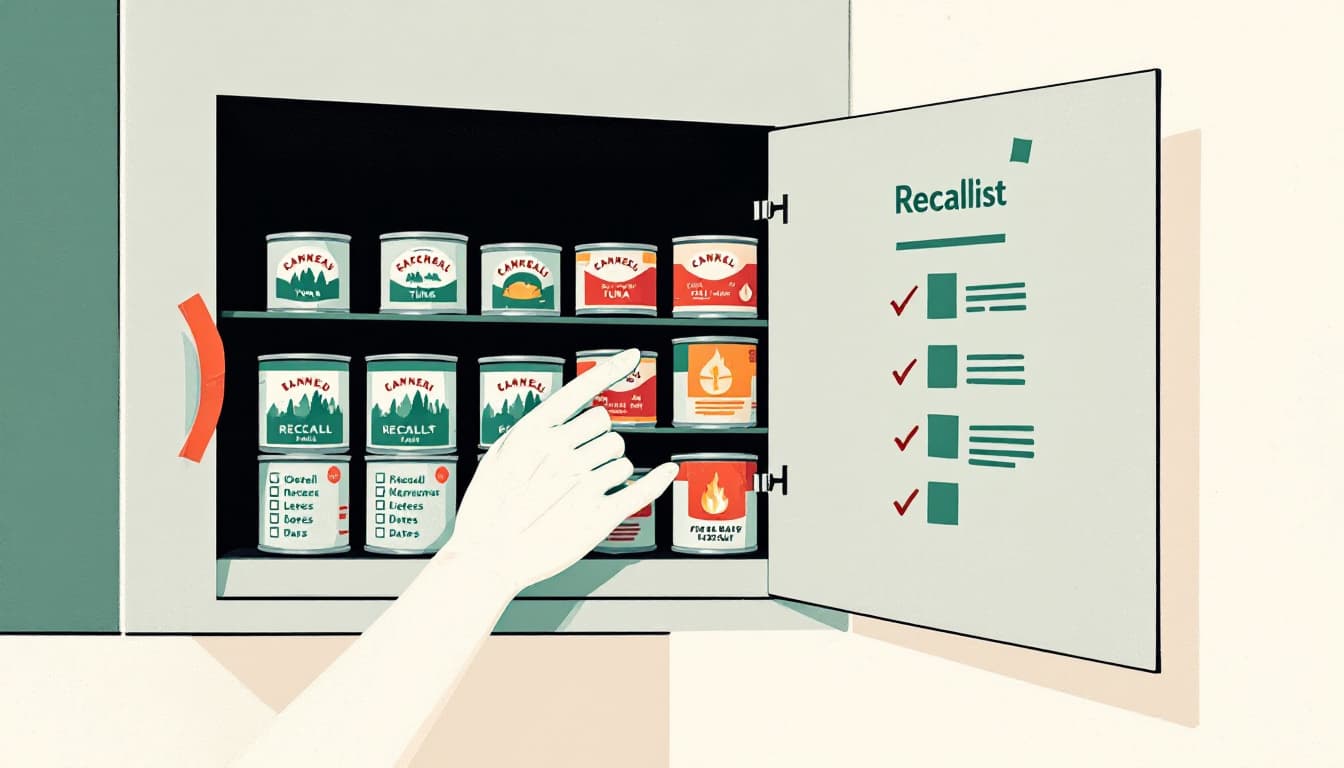
A report this week from Dallas News highlighted a recall of nearly 333 pounds of tuna products tied to a food poisoning risk spanning five states, with Texas named among the affected markets. The recall centers on the risk of scombroid fish poisoning, a histamine-related illness that can occur when tuna and similar fish are not kept at proper temperatures during storage or distribution, allowing histamine levels to rise to unsafe concentrations.
The recalled tuna was distributed across a multistate footprint that includes Texas, one of the country's largest seafood retail markets given its population of nearly 30 million and its sprawling urban centers from Dallas-Fort Worth and Houston to San Antonio and Austin. The U.S. Food and Drug Administration oversees seafood recalls of this type under its authority over fish and fishery products, and affected product may have reached grocery retailers, restaurant suppliers, or specialty seafood distributors across the state. The specific brand and lot information tied to the recall were identified in the original notice, and consumers who purchased the product during the relevant window were advised to check whether their purchase matches the recalled units.
Scombroid poisoning produces symptoms—flushing, rash, headache, diarrhea, and rapid heart rate—that can appear within minutes to hours of consuming affected fish and are sometimes mistaken for an allergic reaction. Unlike bacterial contamination, the histamine responsible for scombroid poisoning is not destroyed by cooking, meaning the hazard persists even in fully prepared meals. The Texas Department of State Health Services (DSHS) coordinates with federal agencies on food safety alerts and can issue state-level advisories when recalled products are confirmed to have entered the Texas retail supply chain.
For preppers and households maintaining long-term food stores, this recall is a useful reminder of how the cold chain intersects with stockpile integrity. Canned tuna—a staple in many Texas emergency pantries—is generally safe precisely because the canning process eliminates the histamine risk that affects fresh and vacuum-packed fish. However, commercially packaged refrigerated or "fresh" tuna pouches, which have grown more common as an alternative to shelf-stable cans, carry the same temperature-dependent histamine vulnerability as the recalled product. Texas's thermal environment—where summer ambient temperatures regularly exceed 100°F across the Edwards Plateau, the Rio Grande Valley, and the Permian Basin—means that any break in refrigeration during transport or retail storage poses a heightened spoilage risk compared to cooler-climate states. Readers evaluating their own stored seafood options may find the product comparisons at Middle Class Prepper's canned protein reviews useful when weighing shelf-stable alternatives. The Texas DSHS food safety division maintains a recall database at dshs.texas.gov that Texans can monitor for state-specific updates on incidents like this one.