Twelve inches of rain in a matter of hours. That is not a slow-moving flood event where you pack a bag and watch the water rise. That is a road-gone situation — the kind where the crossing you drove at 7 a.m. is under four feet of moving water by noon.
A report this week from USA Today documented exactly that: storms dropping up to 12 inches across parts of Texas, producing the fast, chaotic flash flooding the state is particularly prone to during summer convective season. The footage is striking. The household lesson is quieter and more actionable.
What is actually different about Texas flash flooding
Flash flooding in Texas is not the same animal as the slow inundation you see in coastal Louisiana or the rising rivers of the Midwest. Texas events are often:
Fast. The Hill Country's limestone geology doesn't absorb water — it sheds it. Watershed response times in places like Kerr, Kendall, and Comal counties can be under 30 minutes from rainfall peak to creek surge. The Llano and Guadalupe rivers have produced record crests in under an hour of heavy upstream rain.
Localized. You can be in clear skies while the storm cell that will flood your road is 15 miles west. Standard weather apps often lag behind National Weather Service flash flood warnings by enough time to matter.
Deadly on roads. The National Weather Service consistently attributes the majority of flood fatalities to vehicle-related decisions. Texas routinely leads or nearly leads the nation in flood deaths per year, and the "turn around, don't drown" message exists because people keep not turning around.
None of this is alarmism. It is the plain hydrology of a large, hot, semi-arid state that receives moisture in violent bursts.
What we'd actually do
Check your property's flood zone status before you need to evacuate, not after. FEMA's Flood Map Service Center lets you enter any Texas address and see its designated flood zone. Zone AE means high risk; Zone X means lower risk. This matters for two reasons: it tells you what your actual exposure is, and it tells you whether your standard homeowner's policy — which does not cover flooding — is leaving a gap. Flood insurance through the National Flood Insurance Program has a 30-day waiting period before it activates, so buying after a storm is named accomplishes nothing.
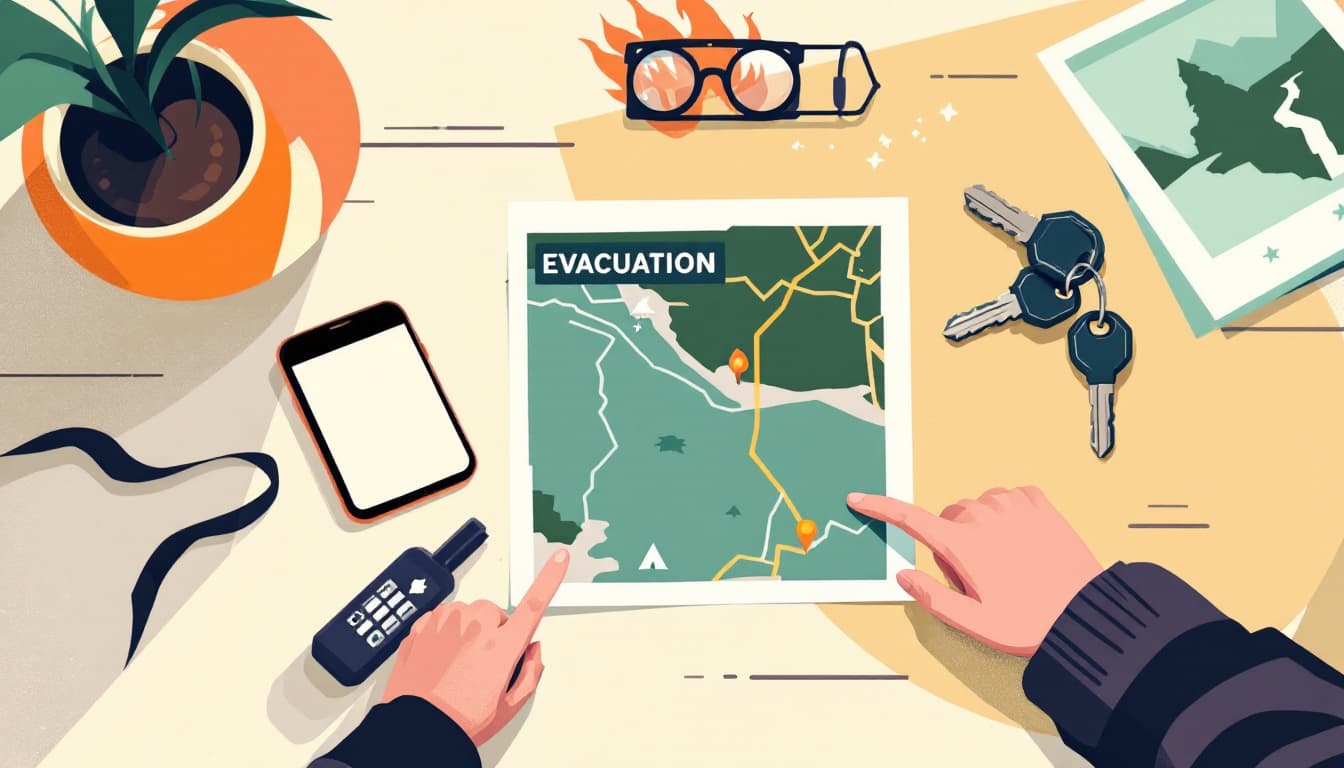
Build a 15-minute go-bag specifically for flash scenarios, separate from your 72-hour kit. A 72-hour bag is heavy and designed for planned evacuations. Flash flooding gives you minutes. Keep a smaller, always-ready bag near your exit that holds: medications for 48 hours, chargers, one change of clothes, cash in small bills, copies of key documents in a waterproof bag, and your phone already at full charge. Texas flash events often resolve within 24 hours, but roads can stay closed longer.
Download the NWS app and turn on flash flood watch and warning alerts for your county and two adjacent counties. This is free and takes four minutes. A flash flood watch means conditions are favorable; a warning means flooding is occurring or imminent. The two-county buffer matters because, as noted above, the rain that floods your road may not be directly overhead. Residents in the San Antonio metro, Austin corridor, and anywhere along the Balcones Escarpment should include uphill counties in their alert radius.
Know your low-water crossings by name before you need to cross them in the dark. Many Texas counties publish low-water crossing maps. If yours does not, identify the dips and bridges on your regular routes using satellite view in Google Maps — look for where roads cross creek beds. These are the first places to flood and the last places to get barricaded. Knowing them in advance means you can reroute on instinct rather than stopping to assess in moving water.
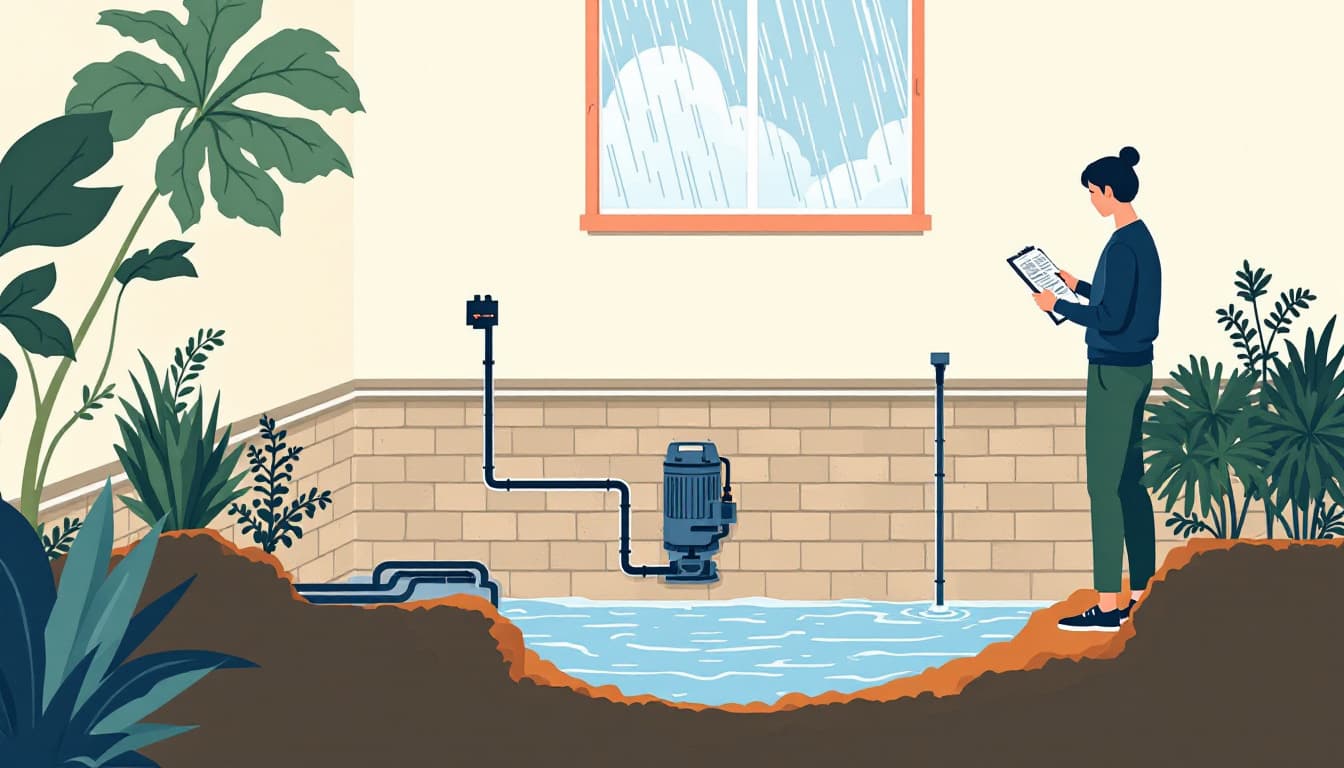
If your household is on a flood-prone lot, consider a $30 water alarm at your lowest entry point. These are simple sensors, available at any hardware store, that sound when water contacts them. They will not stop flooding, but they will wake you up at 2 a.m. before the water reaches the hallway. Many Texas flood events happen overnight during the same convective cycles that produce daytime heat.
The bigger picture
Texas summers will continue producing violent, concentrated rainfall. The state's population has grown faster than its flood infrastructure, which means more impervious surface, more development in floodplains, and more households that have never experienced a serious event. The goal for prepared families is not to predict the next storm. It is to remove the decisions that get people killed — driving into water, sleeping through rising levels, not knowing where the money and medications are when the water comes fast.
Durability here looks like a household that can make the right call at midnight with three minutes of warning. That is achievable, and it does not require expensive gear.