The Rio Grande Valley grows roughly 90 percent of Texas's commercial citrus. Right now, that strip of land is dealing with two problems at once: a multi-year drought that has pushed water allocations from the Rio Grande to crisis levels, and Huanglongbing — HLB, or citrus greening disease — a bacterial infection spread by a tiny insect that has no effective cure and has already gutted Florida's industry over the past two decades.
A report this week from Citrus Industry Magazine outlines tools growers are being offered to fight both threats simultaneously. The framing is optimistic. The underlying situation is not.
What's actually changing
HLB arrived in Texas citrus country several years ago and has been spreading since. The pathogen, carried by the Asian citrus psyllid, colonizes a tree's vascular system and kills it slowly — sometimes over years — while making fruit unmarketable. Florida lost more than 70 percent of its citrus acreage to HLB over roughly fifteen years. Texas growers are watching that trajectory and trying to interrupt it.
The drought layer makes everything harder. Stressed trees are more vulnerable to disease pressure. Irrigation water from the Rio Grande is subject to international treaty allocations between the U.S. and Mexico, and in dry years the math gets tight fast. The Texas Water Development Board tracks reservoir levels across the state, and the Falcon and Amistad reservoirs — which supply the Valley — have been operating well below historical norms.
For households, the connection is straightforward: a smaller Texas citrus harvest means higher prices at H-E-B and regional grocers, increased dependence on Florida and California fruit (both of which have their own supply constraints), and reduced availability of locally grown fresh citrus during winter peak season. Backyard citrus growers across the southern half of the state — San Antonio, Corpus Christi, Houston, the Valley itself — face the same psyllid pressure commercial growers do, with less access to the monitoring infrastructure that might catch an infection early.
This is not a citrus-only story. It is a preview of what water-constrained, pest-pressured regional agriculture looks like when two stressors arrive together.
What we'd actually do
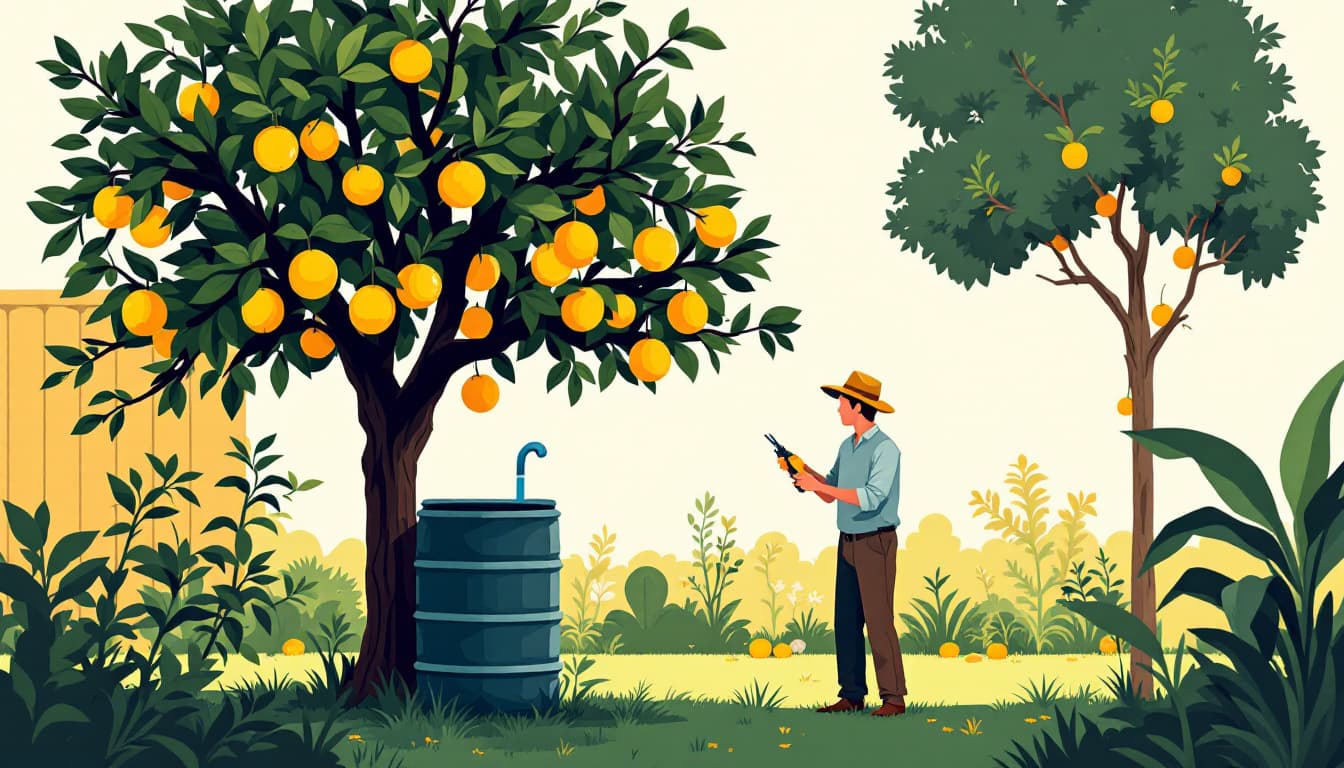
Get your backyard citrus inspected now, not when you notice symptoms. HLB symptoms — yellowing that doesn't follow leaf veins, small bitter fruit, asymmetric blotching — often appear a year or more after a tree is already infected. Texas A&M AgriLife Extension runs a statewide diagnostic service and has county agents specifically trained on citrus psyllid and HLB identification. A free or low-cost inspection is worth scheduling before fall, when psyllid populations typically spike.
Stock a three-month buffer on citrus-adjacent pantry items. If fresh citrus becomes expensive or scarce during the Valley's winter harvest window, you want vitamin C intake covered by other means. Canned mandarin segments, 100-percent juice from concentrate, and rose hip tea are all shelf-stable and cheap right now. Buy a reasonable supply on your next H-E-B run — not a year's worth, just enough to smooth over a tight season.
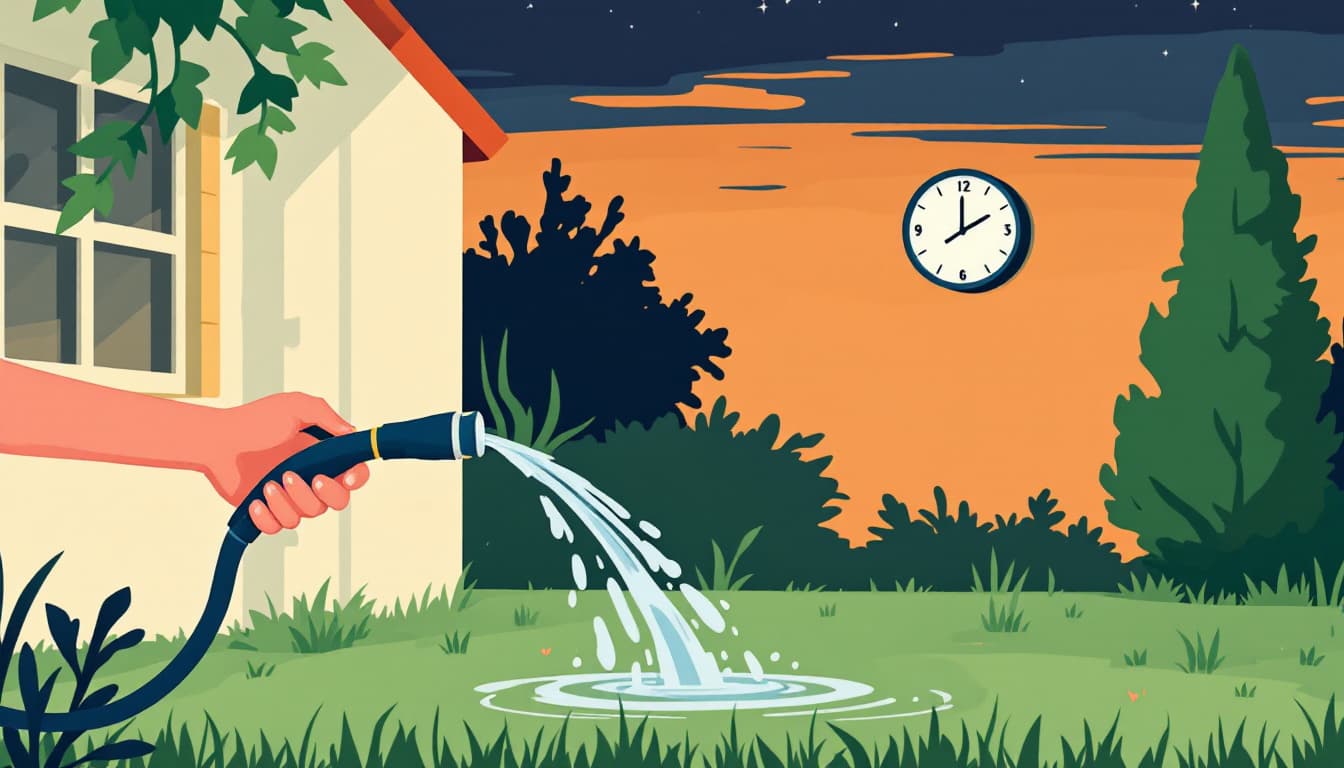
Check your irrigation setup before August. Whether you're watering a Meyer lemon in a Corpus Christi backyard or a small kitchen garden in Austin, drought stress weakens plants against every other threat. Drip irrigation at the root zone — not overhead sprinklers — cuts water use significantly and keeps foliage dry, which matters because the psyllid prefers new flush growth encouraged by inconsistent watering cycles. Many Texas municipalities still offer rebates for drip conversion; check your city's water utility site before September, when most rebate programs close for the year.
Know what the Asian citrus psyllid looks like. It's a small, mottled brown insect about the size of an aphid that feeds at a 45-degree angle to the stem. The Texas Department of Agriculture maintains a reporting system for confirmed sightings. If you spot it, report it — early mapping is the main tool slowing HLB's geographic spread.
The bigger picture
Texas agriculture is not fragile in any single dramatic way. It is being worn down by cumulative pressure: less water, new pests, more heat, tighter margins. The households that handle this best are the ones that build small redundancies ahead of the shortfall — a pantry buffer, a drought-tolerant garden plan, a basic understanding of what's actually growing in their region and what threatens it.
The goal is not to panic-buy citrus or rip out your orange tree. It is to stay one season ahead of a supply chain that is tightening slowly and quietly while most people are looking elsewhere.