A storm moves through San Antonio and nearly 40,000 households go dark. Roads close. CPS Energy's outage map lights up like a rash across the city. This is not a once-a-decade event. This is June in Texas.
A report this week from Hindustan Times documented the outage and road closures, framing it as a news update. What it didn't frame is the pattern: South Texas storms during late spring and early summer routinely knock out power at this scale, and the window between "the storm is here" and "power is restored" can stretch from hours to days depending on where your transformer sits in the repair queue.
What's actually changing
The grid itself is a separate, longer conversation. What matters at the household level right now is simpler: Texas storms in June arrive fast, hit hard, and leave behind a combination of downed lines, flooded roads, and heat that turns a 24-hour outage into a genuine health problem. The road closure component of the San Antonio event is underreported in most storm coverage. When roads close, utility crews slow down. When crews slow down, your neighborhood moves further back on the restoration list.
CPS Energy serves the San Antonio metro. ERCOT manages the broader Texas grid. Neither agency controls where a tree falls on a distribution line at 10 p.m. on a Wednesday. The 2021 winter storm drew national attention to large-scale grid failure. Summer convective storms — the fast-moving, lightning-heavy systems that roll through the I-35 corridor — are quieter failures, but they happen more often and they happen when outdoor heat is already dangerous.
A household without power for 18 hours in June, in Texas, is not a minor inconvenience. It's a medication storage problem, a food safety problem, and for elderly or medically vulnerable residents, a genuine safety problem.
What we'd actually do
Know your personal restoration tier before the next storm, not during it. CPS Energy and other Texas utilities publish outage maps, but they don't tell you whether your block has underground lines or overhead distribution, or whether your transformer serves 8 homes or 80. Call your utility's non-emergency line when it's calm and ask. Smaller feeder lines serving fewer customers are often restored last. That changes your planning horizon from "probably a few hours" to "possibly a full day or more."
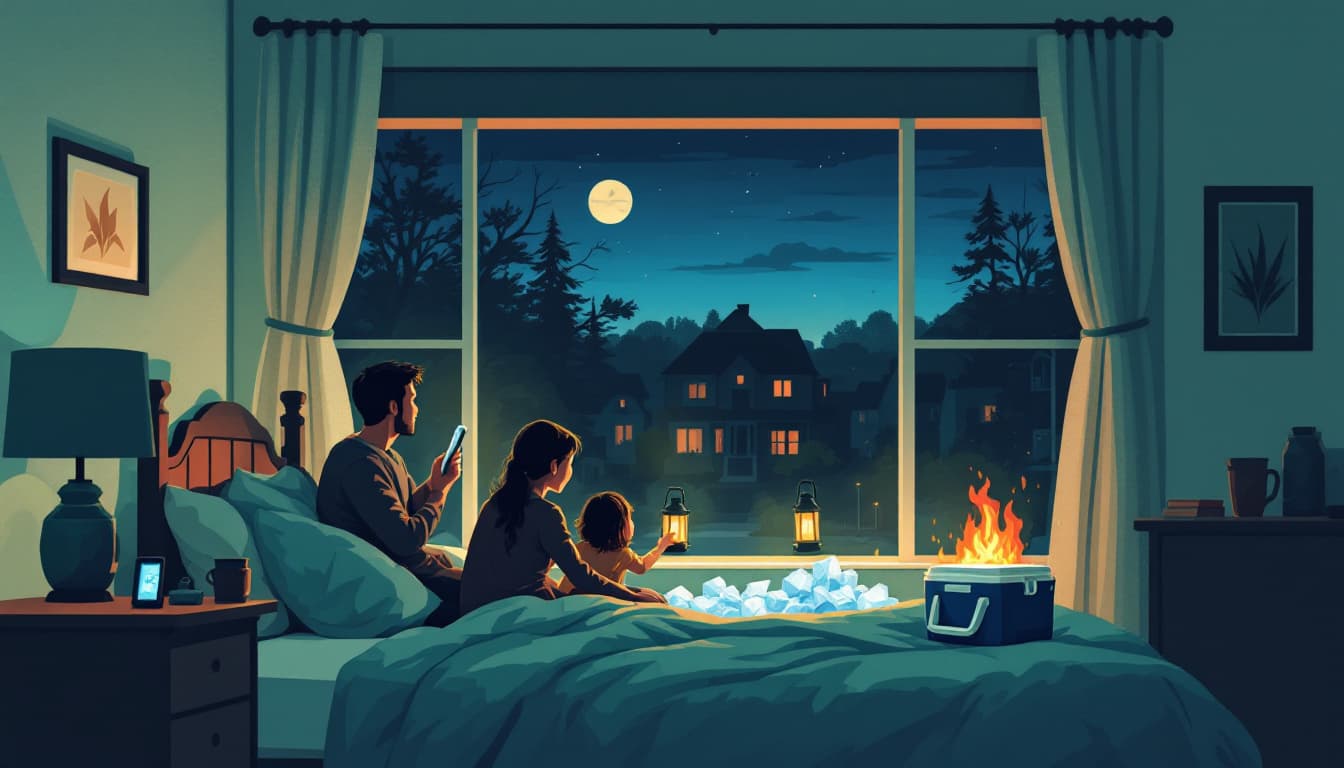
Treat your refrigerator and freezer as a timed asset, not a given. A full, undisturbed freezer holds safe temperature for roughly 48 hours; a half-full one, about 24. A refrigerator holds safe temperature for about four hours after power loss. Write those numbers on a sticky note inside the freezer door right now. If your household has insulin, certain biologics, or other temperature-sensitive medication, those timelines are much shorter and the stakes are much higher — plan for a hard-sided cooler with ice as a first response, not a last resort.
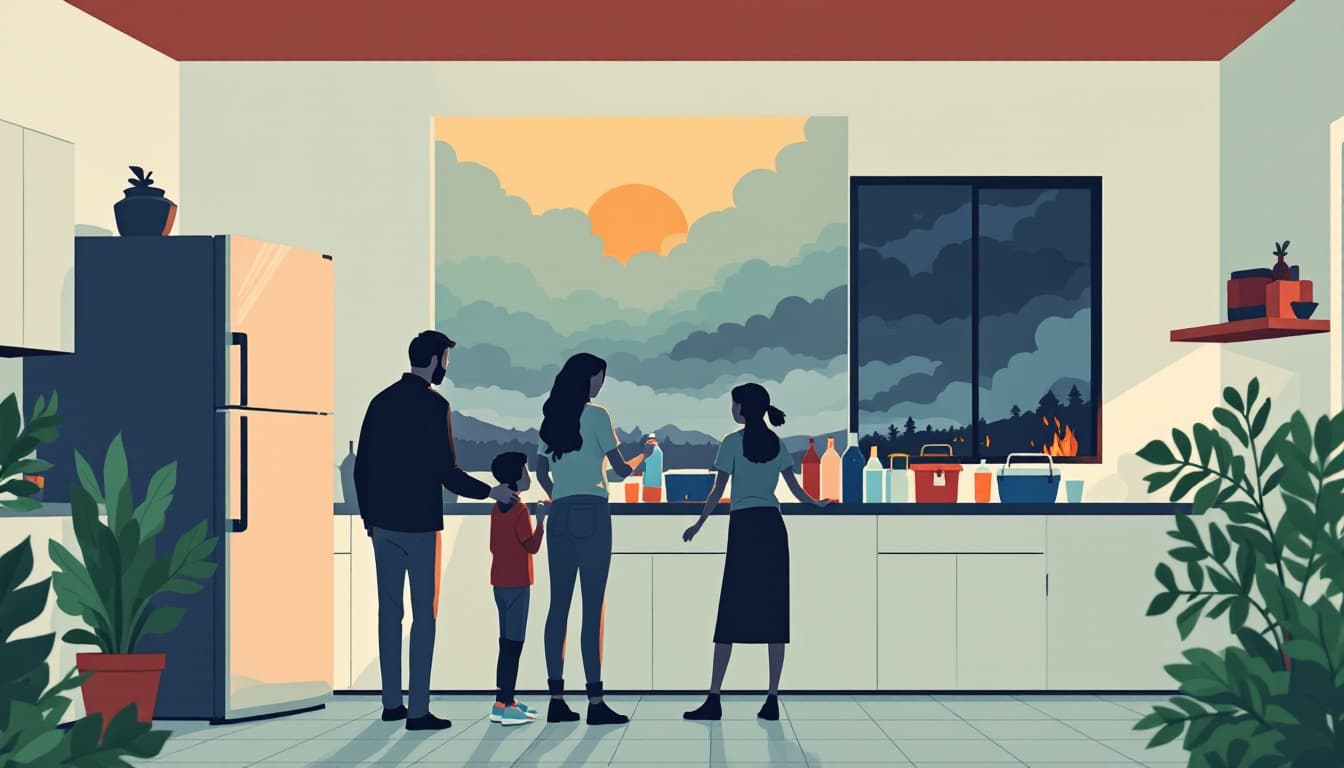
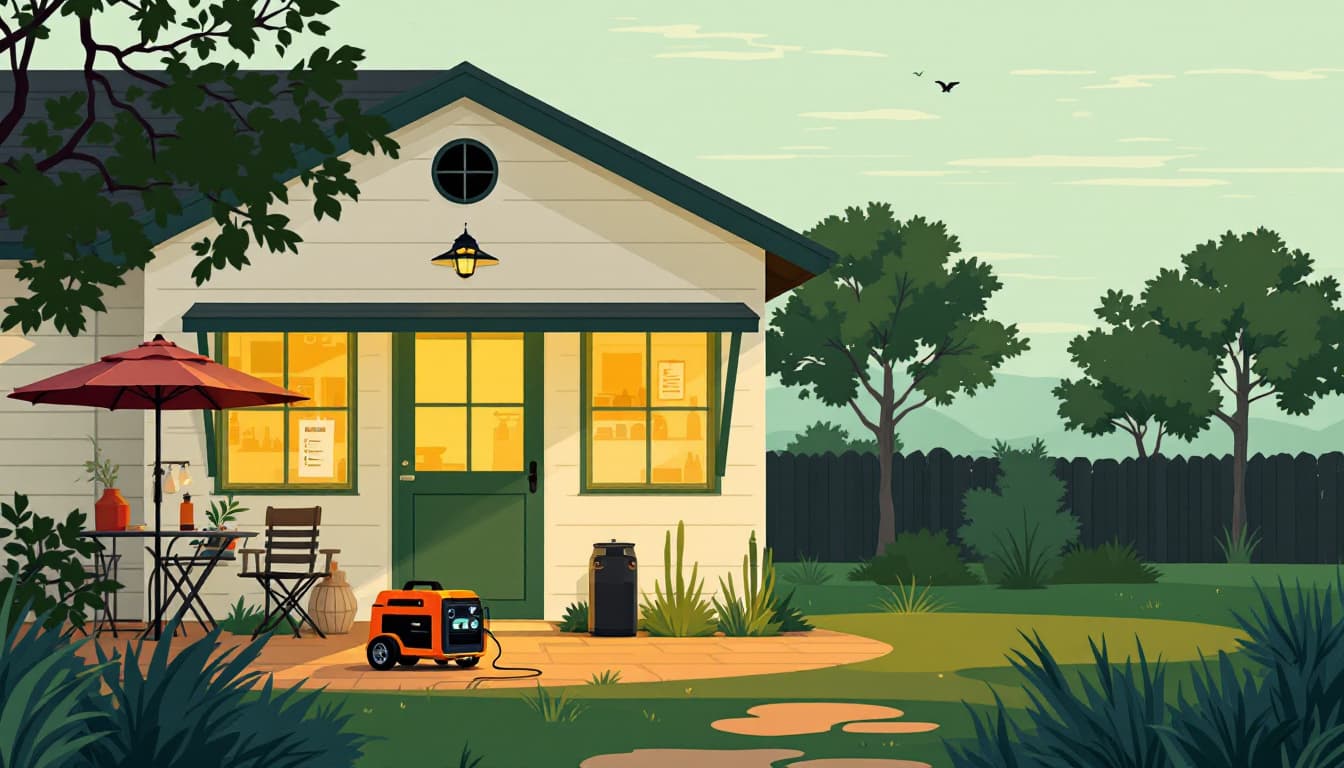
Build a 72-hour no-grid scenario into your household budget this summer. This doesn't mean a generator for every family (though a small inverter generator runs about $500–$700 and handles a window AC unit, a refrigerator, and device charging). It means: three days of food that doesn't require cooking or refrigeration, a manual can opener, a battery or hand-crank weather radio tuned to a San Antonio or regional NOAA station, and a car charger for phones. Total cost for the non-generator version of this kit is under $100 if you shop deliberately over the next two weeks.
Identify your household's single highest-risk outage factor and solve only that first. A family with a medically dependent member who needs powered equipment has a different priority than a household with no special vulnerabilities. Don't buy a generator because a neighbor has one. Buy one — or don't — based on what your actual exposure is. Cooling is the baseline Texas risk. Everything else is secondary.
Save the CPS Energy outage map URL to your phone's home screen now. During an active storm, their website slows under traffic load. Having the direct map URL bookmarked, and knowing how to navigate it without a full page load, saves real time when you're trying to assess whether your block is even in the restoration queue yet.
The bigger picture
San Antonio's outage will be repaired. Most of them are. The goal isn't to prevent every disruption — it's to make sure a disruption doesn't become a crisis. Texas summers don't get easier, and the storms that knock out power are not anomalies on the calendar. They're scheduled inconveniences. Treat them that way: plan before June, revisit before August, and don't wait for the next outage map to light up before you figure out what your household actually needs.
Durability is just readiness practiced before it's necessary.