A freight insurance underwriter updating their data feeds is not the kind of headline that makes anyone's pulse quicken. But a report this month from Insurance Business is worth a second look, because the story behind it is really about where the people who move goods for a living think risk is building.
Rail underwriters are now pulling in real-time supply-chain data to sharpen how they price coverage. That means the insurance industry — which has a strong financial incentive to be right — is paying closer attention to freight bottlenecks, cargo concentration, and route vulnerability than it was two years ago. When insurers update their models, it's usually because losses have taught them something.
What's actually changing
Rail carries a significant share of U.S. domestic freight: grain, chemicals, automotive parts, lumber, intermodal containers off ships. It is not glamorous, and it mostly runs invisibly until it doesn't. The supply shocks of 2021–2023 exposed how little redundancy exists when a single chokepoint — a port, a rail yard, a shortage of locomotive engineers — backs up.
The insurance industry's response is to get smarter about where cargo sits, how long it sits, and what it's worth while it's waiting. That is a rational response to recent losses. It also means premiums on certain freight corridors are likely to rise, particularly for high-value or time-sensitive goods. Those costs get passed forward.
For a household, this is an indirect but real signal. When the cost of moving goods increases, margins compress somewhere in the supply chain. Sometimes that compression shows up as a manufacturer cutting product lines. Sometimes it shows up as a retailer thinning inventory buffers to avoid holding costs. Either way, the shelf looks a little different six months later, and the price tag looks a little higher.
There's a second layer: this data integration is also a signal that rail disruption risk is being repriced upward. Insurers don't buy better data because everything is fine.
What we'd actually do
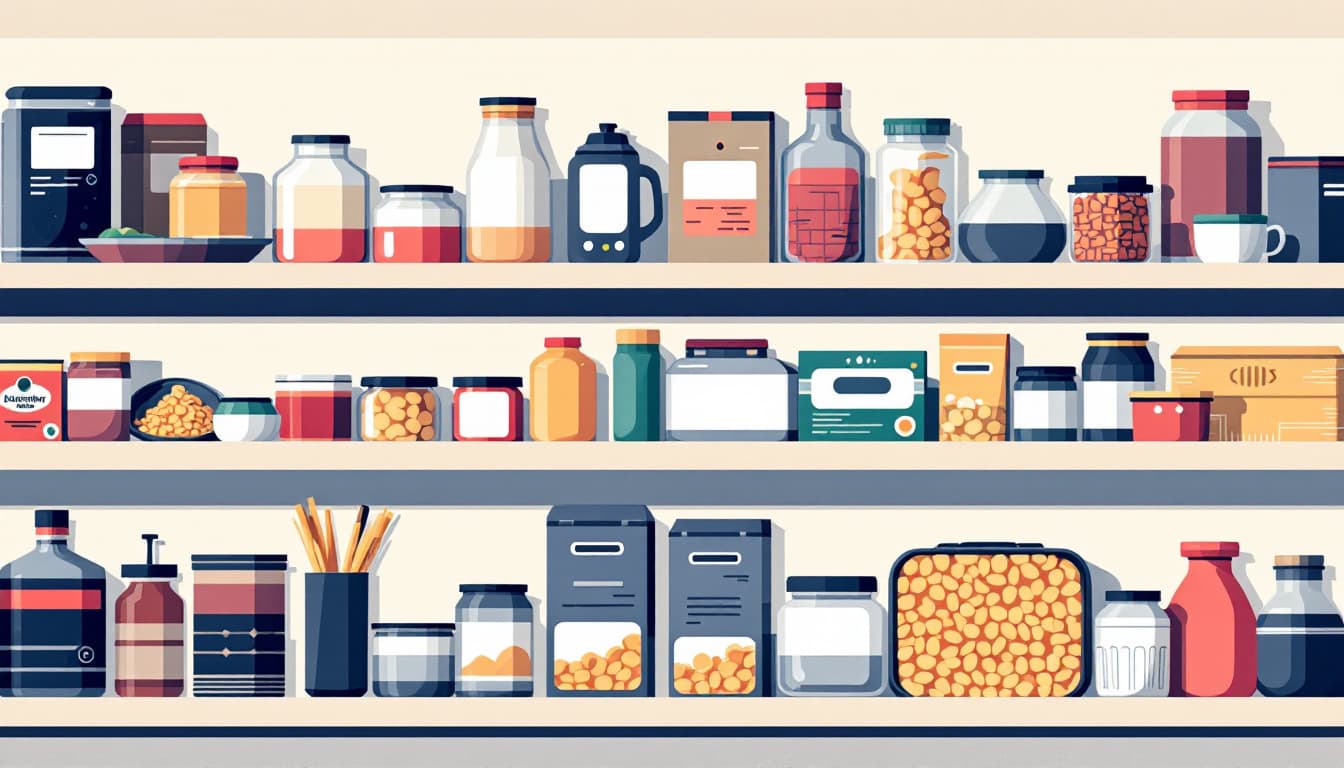
Check your pantry depth on rail-dependent goods. Start with grains, canned goods, cooking oil, and pet food. These move primarily by rail and truck — and rail is the first leg for most bulk commodity freight. A 4-to-6-week supply of staples is a buffer against both price spikes and spotty availability. Not a bunker. A buffer.
Most households have 3 to 7 days of food on hand. Closing the gap to a month doesn't require a separate storage room or a membership to a bulk retailer. It requires buying two of something when you'd normally buy one, consistently, over about eight weeks. The USDA's food cost data suggests a family of four can build this buffer for roughly $200 to $300 in incremental spending spread over two months — less if you focus on shelf-stable basics rather than freeze-dried meal kits.
Pay attention to lead times on anything you buy that ships by freight. Appliances, furniture, HVAC equipment, and auto parts all spend time on rail before they reach a regional warehouse. If you're planning a purchase in the next six months, factor in that lead times could lengthen if corridor bottlenecks worsen. Buying a water heater or a furnace filter before you need it is not prepping — it's maintenance planning.
Treat price increases in specific categories as information, not noise. When cooking oil or flour or canned tomatoes ticks up noticeably at your store, that's often a downstream signal of freight cost pressure. If you see it happening, it's reasonable to add a few extra units at the current price rather than waiting for the next one.
Watch whether your grocery store's in-stock rate starts shifting. Anecdotal, yes — but the best early-warning system you have is your own shopping experience. A particular brand disappearing and not coming back, SKU rationalization on shelves, or substitution notices from an online grocery order are all signals worth noting. They don't mean crisis. They mean the supply chain is adjusting, and you should too.
The bigger picture
The rail insurance story is part of a longer pattern: the systems that move things are being priced and structured around the assumption that disruption is normal, not exceptional. That's a meaningful shift from the just-in-time assumptions that governed logistics for the previous three decades.
Families that understand this pattern can position themselves as low-key absorbers of disruption rather than victims of it. That's a different posture than stockpiling for collapse. It's closer to how your grandparents thought about a full pantry: not fear, just common sense about the distance between a field and a table.