Saturday morning in the Phoenix metro, before 8 a.m., the air temperature is already above 90°F. By afternoon, concrete that absorbed heat all night will be radiating it back upward while the thermometer climbs past 110°F. AZ Family reported this week that another extreme heat event is expected to grip the region through the weekend. If you live in Maricopa County — or anywhere in the low desert — this is not background noise. It is a recurring operational test of your household's resilience infrastructure.
Most Phoenix-area residents believe they have heat figured out. They have lived here for years. They have air conditioning. That confidence is exactly when things go wrong.
What actually changes during a sustained heat event
A single hot day is uncomfortable. A multi-day event — temperatures staying above 100°F overnight with no meaningful cool-down — is categorically different. Here is why.
Your body cannot recover overnight if nighttime lows stay in the mid-to-upper 80s or above. Cumulative heat stress builds across days. Elderly residents, infants, people on diuretics or beta-blockers, and outdoor workers are in a genuinely different risk category than a healthy adult sitting in a 74°F living room.
Your power grid is also under sustained stress. APS and SRP both plan for peak demand, but when the entire Valley holds heat for 72-plus hours, the margin between normal peak demand and a localized outage shrinks. The outages that hit hardest are the ones that happen at 11 p.m. on a Saturday when the house is already 85°F inside and your family has been sleeping.
Your car becomes a kill zone in under 10 minutes for children and pets. This is not hyperbole — Arizona heat deaths involving vehicles are documented annually by the Maricopa County Department of Public Health.
What we'd actually do this weekend
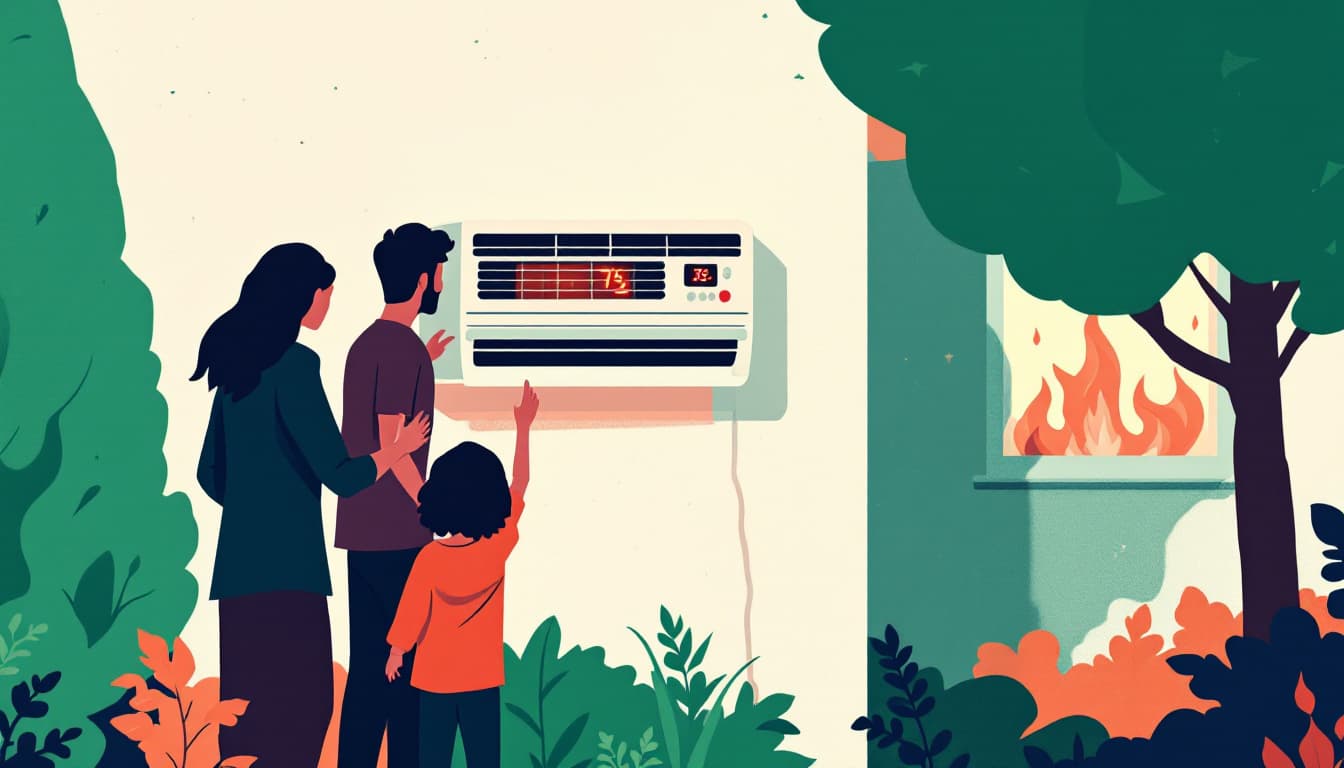
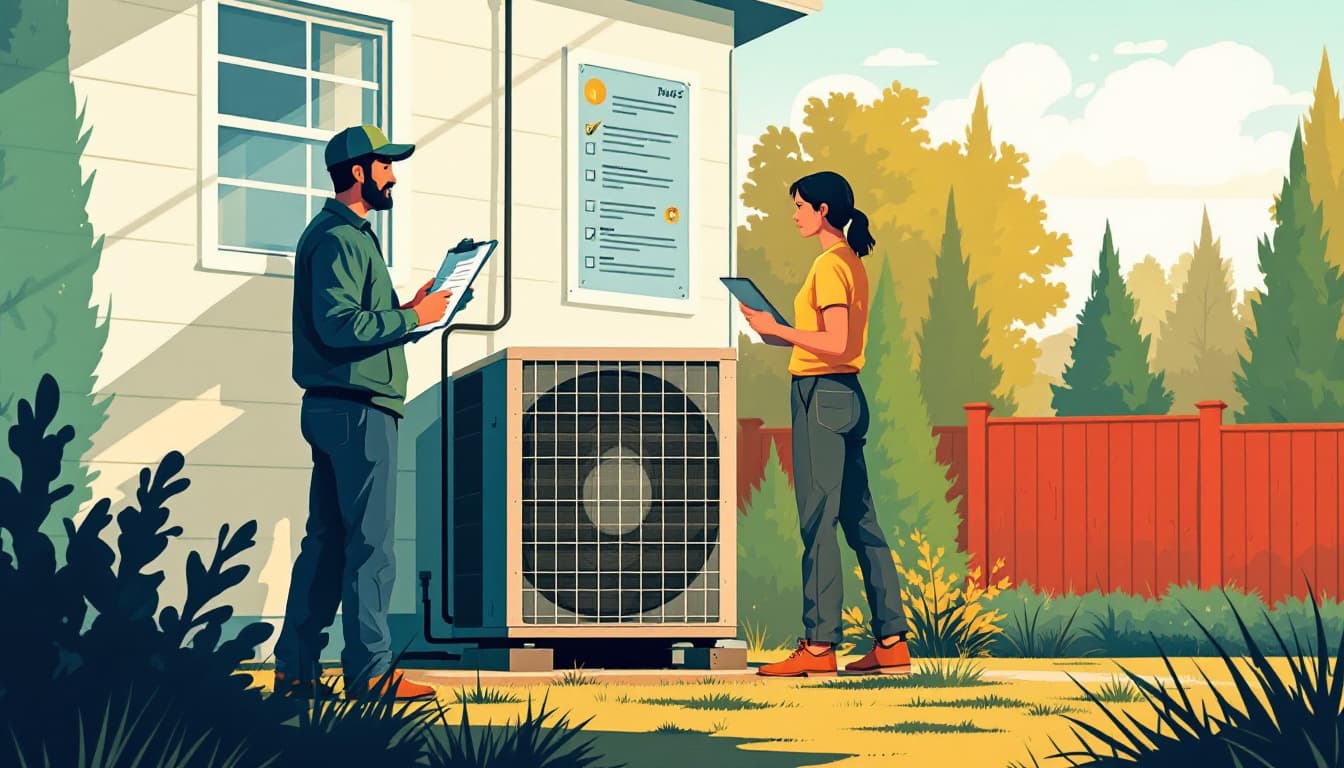
Check your AC unit and filter right now, not Monday. A clogged filter forces the system to work harder and can cause it to freeze up or fail during peak load. Pull the filter, hold it to the light, and replace it if you cannot see light through it. A new filter costs $8-$20 at any hardware store and takes four minutes. If your unit is struggling to keep the house within 3-4 degrees of the thermostat setting during midday, that is a warning sign worth a call to an HVAC company before it becomes an emergency call at midnight.
Map your household's cool refuges before you need them. Know the address, hours, and distance to the nearest public cooling center. Maricopa County maintains a list through Maricopa County Human Services, and it is updated during heat events. The public library system also serves as unofficial cooling infrastructure. If your AC fails at noon Saturday, you should not be Googling options while the house hits 90°F.
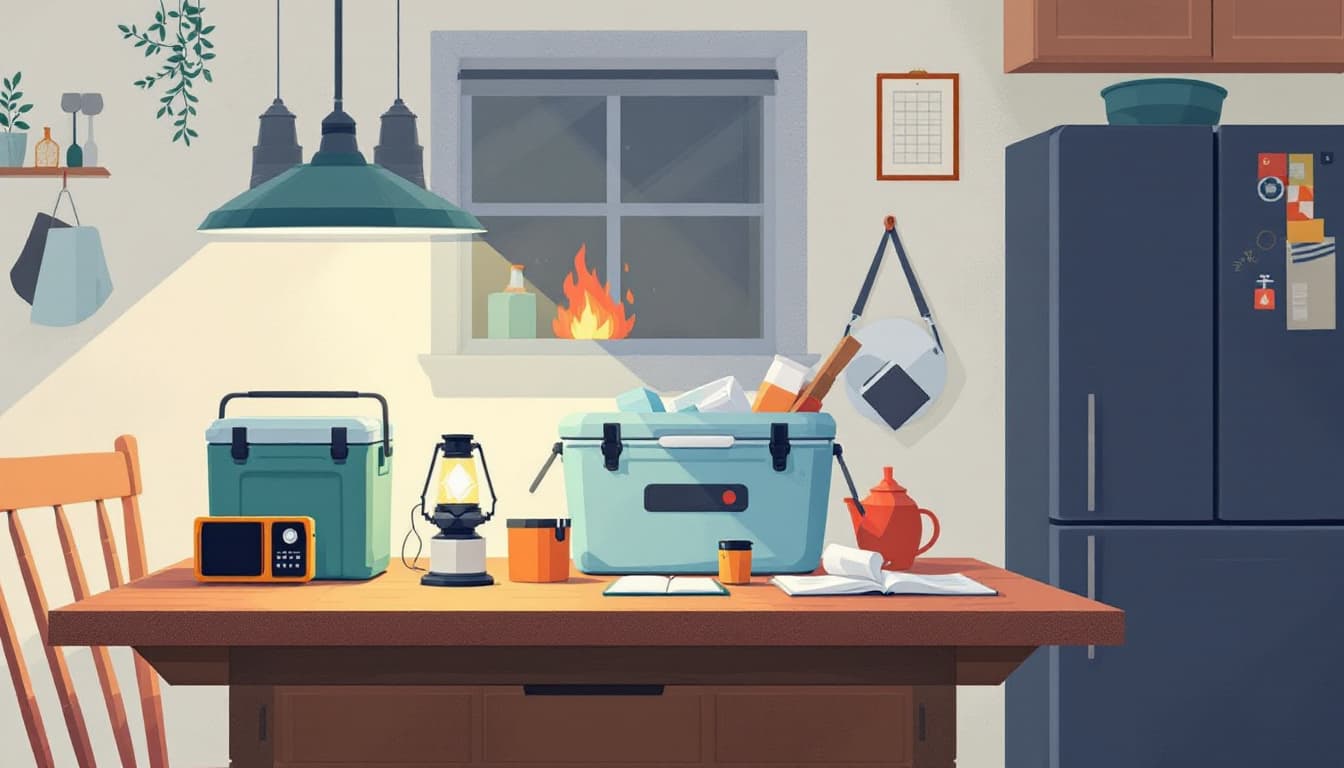
Pre-stage water and a no-power cooling kit. This is not about hoarding. It is about having a specific box or bag that contains: a battery-operated fan, at least one gallon of water per person per day for 72 hours, electrolyte packets, and a spray bottle. Wet skin plus airflow brings core temperature down faster than anything else available to a household without power. A bag of ice from any Circle K will keep a cooler functional for 12-18 hours.
Check on neighbors who are older, live alone, or have no reliable transportation. Arizona's heat mortality data consistently shows that people who die in heat events are disproportionately isolated. A two-minute knock on a neighbor's door Saturday morning is worth more than any gear purchase.
Delay any outdoor physical work until after sunset, and have a specific re-entry plan. If you must work outdoors — moving, yardwork, anything — set a hard stop time in the afternoon and a pre-determined check-in protocol with someone who knows where you are. Heat exhaustion can impair judgment before the person experiencing it recognizes the symptoms.
The bigger picture
Phoenix has always been hot. What is shifting is the duration and overnight intensity of heat events, which compresses recovery time and puts more pressure on aging housing stock, older AC systems, and households with thin financial margins. A family that loses AC for 18 hours in July is not facing an apocalypse. They are facing a solvable logistics problem — but only if they thought about it before the temperature hit 115°F.
Durability is not about surviving the worst case. It is about having enough in place that an ordinary bad weekend does not become a medical emergency. This weekend is a good time to find out whether your household is there yet.