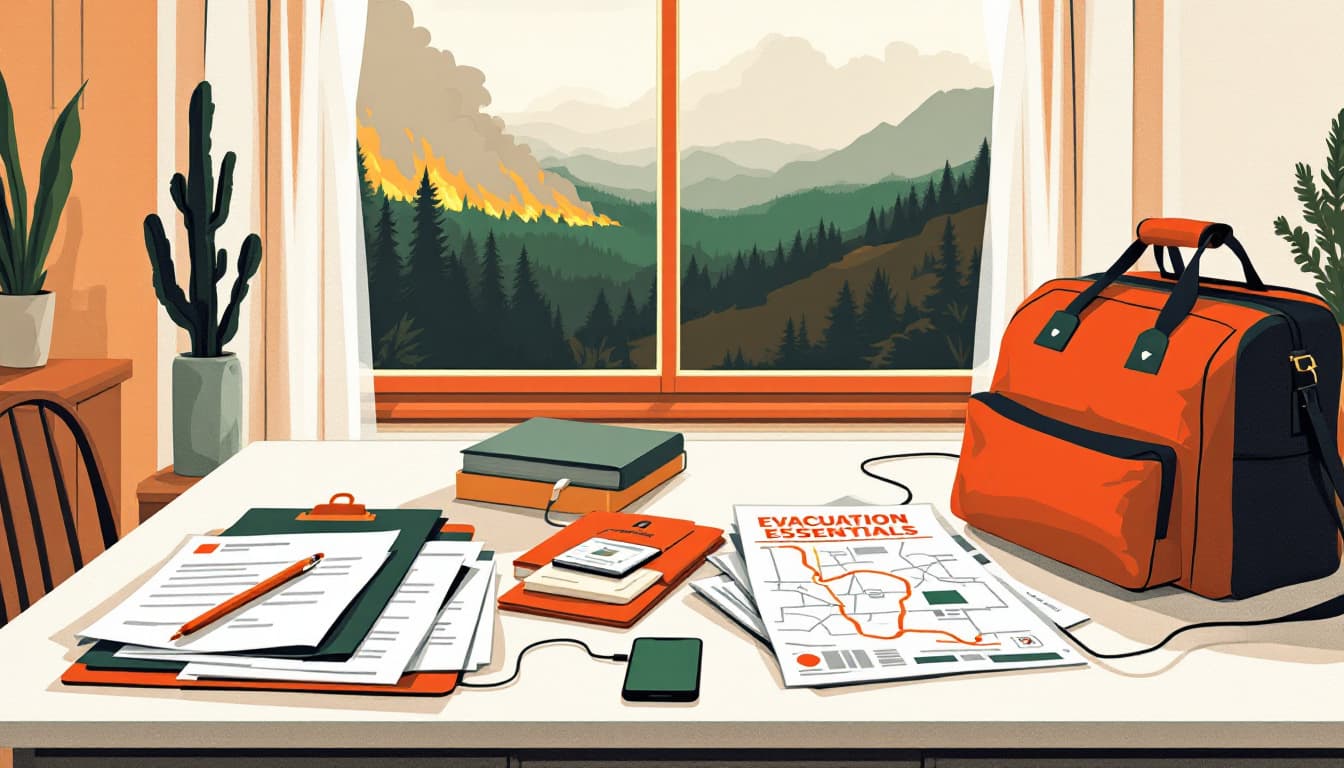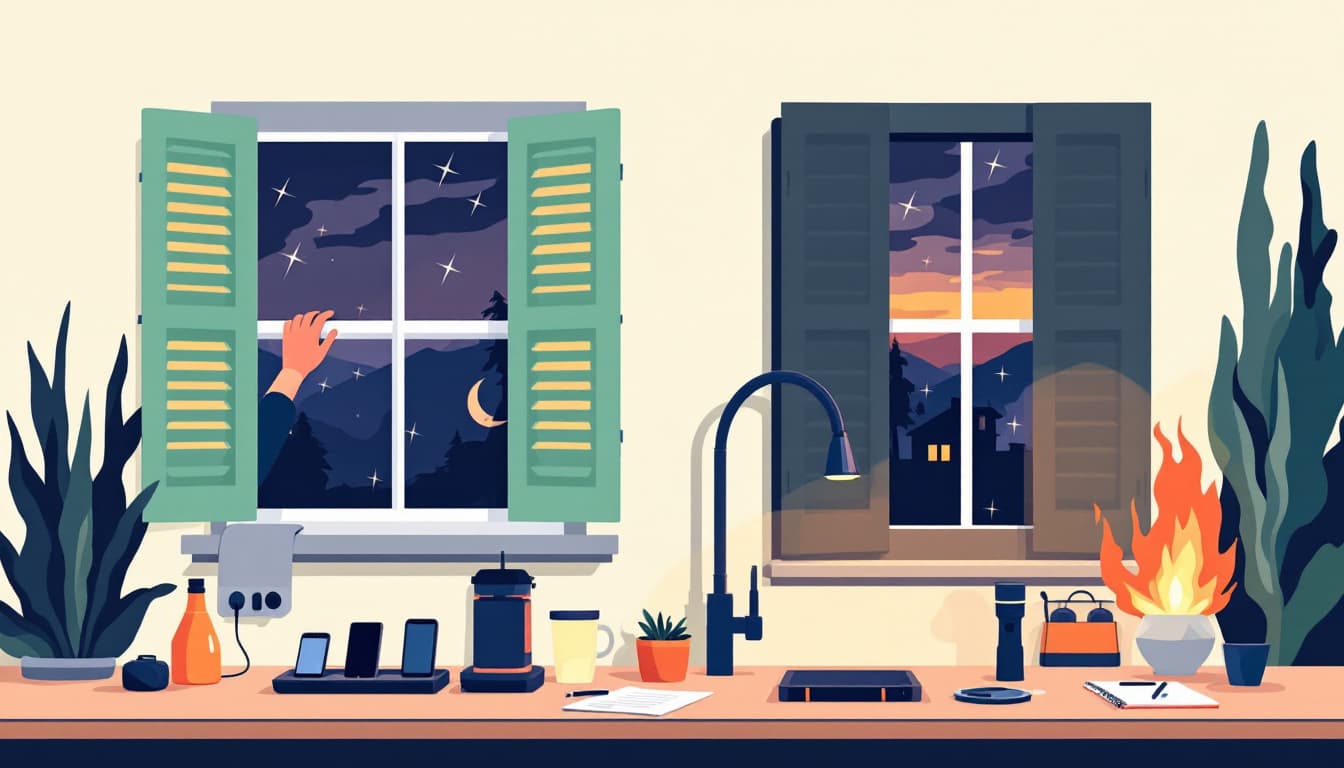
The first week of May brought dry winds and single-digit humidity to the Sierra Nevada foothills. By mid-month, PG&E had already mapped out which Northern California circuits it might cut. A report from KCRA this week confirmed the utility is planning Public Safety Power Shutoffs — known in California shorthand as PSPS events — across portions of Northern California as fire-weather conditions develop.
This is not a new story. PG&E has been running PSPS events since 2018, and the public has largely grown numb to them. That numbness is the actual risk.
What's actually changing
PSPS shutoffs are not random. PG&E triggers them when sustained winds exceed roughly 25 mph in high fire-threat districts, relative humidity drops below about 20 percent, and dry fuel conditions are present. The utility has improved its targeting since the early blanket shutoffs that darkened millions of customers at once, but the fundamental tradeoff — keeping energized lines from sparking fires — hasn't changed.
What has changed is the baseline. The foothills and coastal ranges are entering fire season earlier in the calendar year than they did two decades ago, which means the window for PSPS events is longer. A shutoff that used to be a September or October problem is now a May problem. Households that stored their generator fuel and checked their battery banks in the fall are not ready.
California's Office of Emergency Services maintains a county-level PSPS resource page, and PG&E's own outage center publishes circuit-level maps before shutoffs begin. Both are worth bookmarking now, not when the red-flag warning drops.
The other thing KCRA's report signals: PG&E is communicating earlier than it used to. That's useful. It means households in affected districts generally have 24 to 48 hours of notice. The families who benefit from that window are the ones who already know what they're going to do with it.
What we'd actually do
Know your circuit, not just your county. PG&E's outage map shows shutoffs at the circuit level, which is far more precise than county-level alerts. Spend ten minutes on their website now, find your address, and note which circuit serves your home. Some neighborhoods in an affected county never lose power while a street two miles away goes dark for three days.
Most people skip this step because it requires effort before anything is visibly wrong. Don't. Knowing your circuit number also lets you set up PG&E text alerts that are actually relevant to your address rather than general county advisories that generate noise.
Inventory your refrigerator and freezer today. A full freezer holds temperature for roughly 48 hours if you keep the door closed; a half-empty one loses temperature significantly faster. Before the next PSPS event, run the freezer down to a manageable level, or fill empty space with bags of ice or frozen water bottles. Know which items in your refrigerator are genuinely time-sensitive and which can tolerate a day at room temperature. A written list takes five minutes and removes panic from the decision-making during an actual shutoff.
Charge everything on a schedule, not on instinct. The habit worth building is simple: when a red-flag watch is posted for your region, plug in your phones, battery banks, laptops, and any medical devices that use rechargeable batteries. Do not wait for the shutoff warning. Red-flag watches are issued by the National Weather Service 12 to 48 hours before conditions peak, which gives you a reliable charging window. This is especially important for households using home medical equipment — CPAP machines, nebulizers, powered wheelchairs — which require a conversation with your equipment supplier about battery backup options before an event, not during one.
Establish one analog communication method. During extended PSPS events, cell towers sometimes lose power too, degrading LTE and 5G service across affected areas. A battery-powered or hand-crank NOAA weather radio costs under $40 and receives the National Weather Service broadcasts that matter most during fire weather. It does not require a functioning cell tower or internet connection. KCRA and other Sacramento-area stations also broadcast on AM frequencies that carry during emergencies.
If you have well water, you have a water problem. Roughly a quarter of rural Northern California households pull water from private wells, which run on electric pumps. A PSPS event cuts your tap as surely as it cuts your lights. Fill your bathtubs and any food-safe containers at the first sign of a shutoff warning. A bathtub holds roughly 60 gallons — enough for a small household for several days of basic sanitation.
The bigger picture
PSPS events are a structural feature of California life now, not a temporary inconvenience until the grid gets fixed. The grid is being upgraded — PG&E has spent billions on undergrounding and sectionalizing — but the pace of that work does not match the pace of changing fire conditions.
The families who handle these shutoffs without crisis are not the ones with the biggest generators or the most expensive battery walls. They're the ones who treated the last shutoff as a dry run and wrote down what they wished they'd done differently. Durability doesn't come from gear. It comes from that kind of honest after-action thinking.
You have a window right now. Use it.