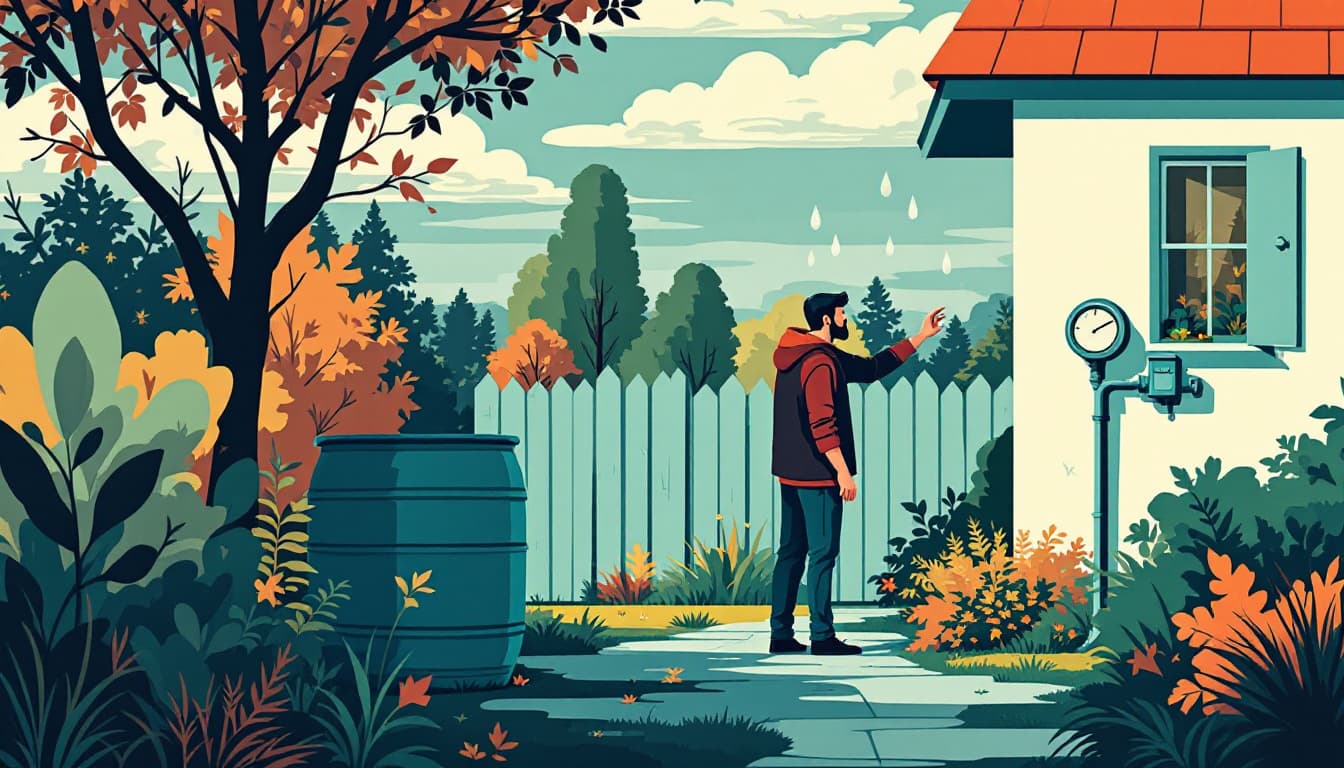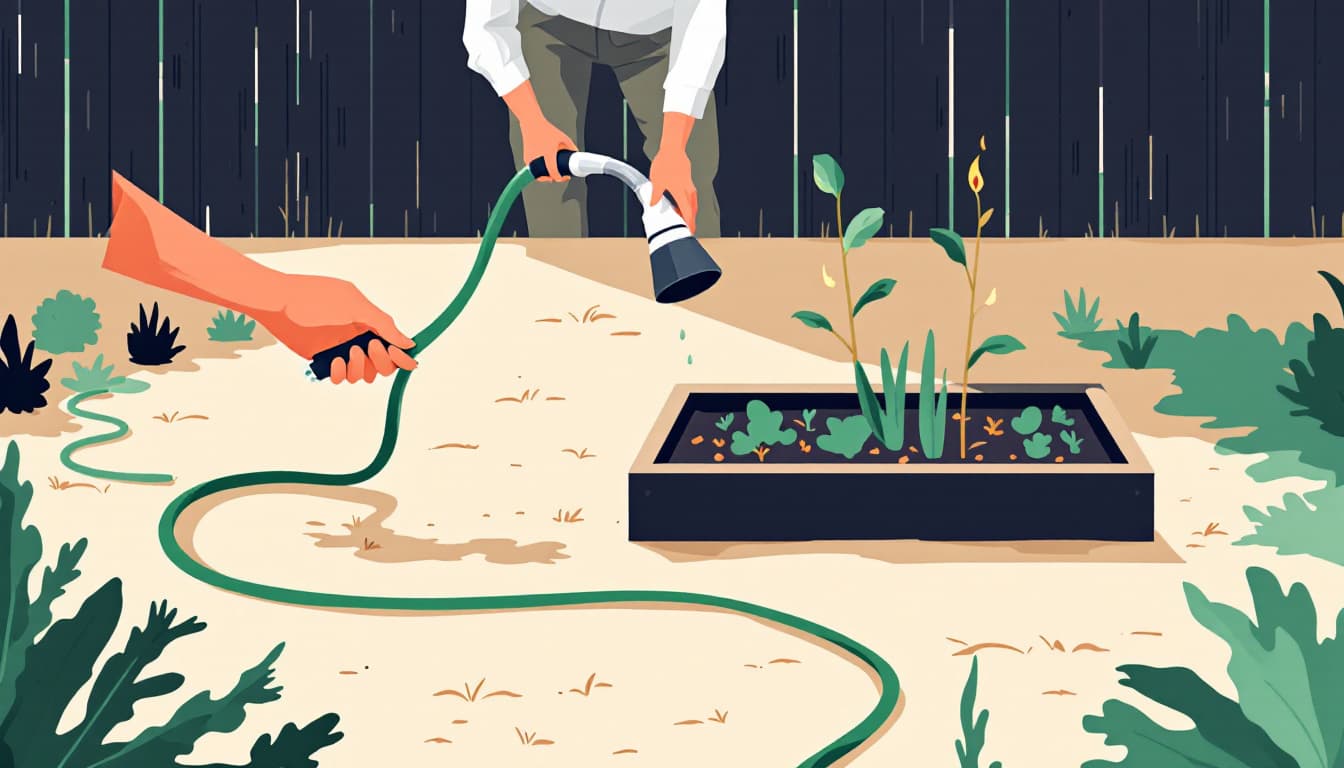
A report this week from NPR for Oregonians highlights a troubling trajectory for the state's water situation: Oregon's drought conditions are intensifying as summer closes, and forecasters are cautioning that the winter precipitation cycle — long the state's primary mechanism for replenishing reservoirs, snowpack, and aquifers — may not deliver the recovery that residents and water managers typically count on.
Oregon is no stranger to drought, but the current episode is notable for its geographic breadth and persistence. The U.S. Drought Monitor, which is produced jointly by the National Drought Mitigation Center, NOAA, and the USDA, has shown large portions of Oregon — particularly east of the Cascades and across the Willamette Valley — locked in moderate to severe drought classifications for an extended period. The Cascades serve as Oregon's primary orographic lift zone, where Pacific moisture is wrung out as snowpack that feeds the state's major river systems, including the Deschutes, Willamette, Klamath, and Rogue. When that snowpack underperforms, the downstream effects ripple through municipal water supplies, irrigated agriculture, and hydroelectric generation simultaneously.
The concern raised in the NPR for Oregonians coverage centers on climate pattern forecasts suggesting that La Niña or neutral ENSO conditions — which historically correlate with below-average precipitation across the Pacific Northwest — may persist into the 2026–27 water year. Oregon's water year begins October 1, meaning the state is approaching the opening of the accounting period for its next replenishment cycle without a significant surplus to draw from.
Oregon Water Resources Department (OWRD) and the Oregon Department of Environmental Quality (DEQ) both track instream flow rights and groundwater levels across the state's diverse airsheds and basins. Rural communities that depend on shallow wells — common in Eastern Oregon's high desert regions and parts of the Rogue Valley — are particularly exposed when multi-year drought cycles compound, as recharge events that historically followed wet winters become less reliable. Oregon's hydroelectric infrastructure, which accounts for a substantial share of electricity generation through PGE and Pacific Power's dam portfolios on the Columbia and its tributaries, is also sensitive to prolonged low-runoff conditions, raising the possibility of supply-side grid stress during future high-demand periods.
For households relying on well water in Oregon's drought-affected counties, the depth and recovery rate of a well relative to the local water table is a measurable variable that can shift significantly over multi-year drought periods — something water storage and filtration options become relevant to when municipal backup isn't available. The Oregon Health Authority maintains a private well program that provides guidance on testing and monitoring, but the monitoring burden largely falls on individual well owners rather than utility operators.
Oregon's situation reflects a broader pattern documented by NOAA across the Interior West: precipitation deficits that accumulate faster than single wet seasons can erase, particularly when warmer temperatures increase evapotranspiration demand even during periods of average rainfall. State climatologist forecasts and the National Integrated Drought Information System (NIDIS) portal are the primary public-facing tools Oregon residents and water managers are using to track conditions as the critical October–March precipitation window approaches.