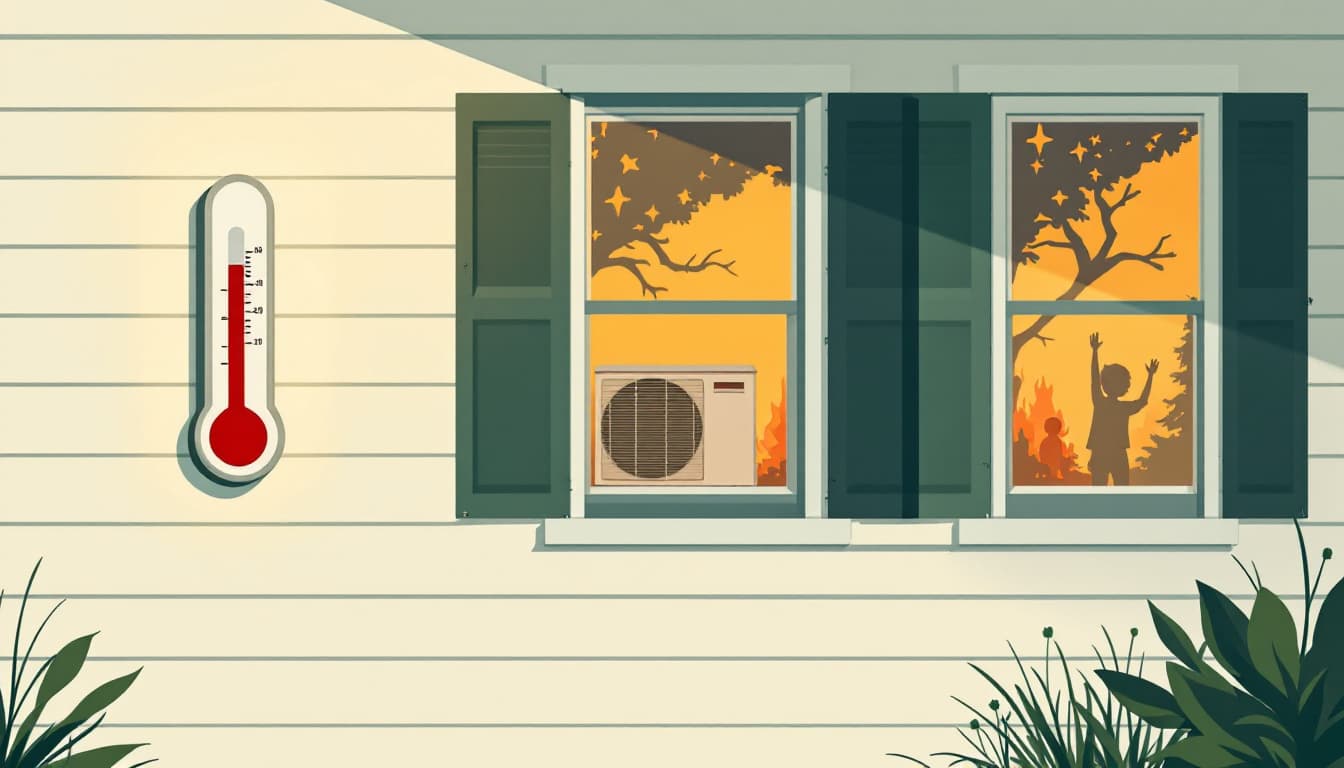
A report this week from CBS News confirmed that an extreme heat warning remained in effect for North Texas through Wednesday, August 19, with no meaningful relief forecast for the Dallas-Fort Worth metroplex and adjacent counties. The National Weather Service issues extreme heat warnings — a step above heat advisories — when heat index values are expected to reach or exceed 115°F, conditions the agency considers life-threatening without intervention.
North Texas has faced a prolonged stretch of high-pressure dominance this August, a pattern meteorologists associate with a strengthening of the "heat dome" effect that has become increasingly common over the Southern Plains. The Dallas-Fort Worth area, which sits in the upper Blackland Prairie airshed with limited coastal breeze influence, is particularly susceptible to heat buildup during late-summer high-pressure events. The Texas Division of Emergency Management coordinates with local counties during such warnings, and Tarrant and Dallas counties have historically activated cooling center networks in response to NWS extreme heat designations.
ERCOT, the grid operator managing roughly 90 percent of Texas's electricity load, has issued conservation appeals during comparable heat events in recent years, though specific grid status for Wednesday had not been detailed in available reporting at publication time. The Electric Reliability Council of Texas monitors reserve margins closely when residential and commercial cooling demand spikes simultaneously across the state's major metropolitan corridors.
From a preparedness standpoint, extreme heat warnings in North Texas carry compounding infrastructure implications that go beyond the immediate health risk. ERCOT's grid stress during multi-day heat events can degrade power reliability, and the Trinity River Authority and municipal water utilities in DFW have in prior summers reported elevated demand straining distribution pressure — conditions that can affect both cooling and sanitation in extended outages. Households that have invested in battery backup systems or passive cooling options, such as those reviewed at Middle Class Prepper, are positioned to maintain basic function if grid strain leads to rolling conservation measures. The Texas Commission on Environmental Quality also monitors ozone formation during heat events, as high temperatures and stagnant air across the Metroplex airshed can push air quality into unhealthy ranges simultaneously with the thermal hazard itself.