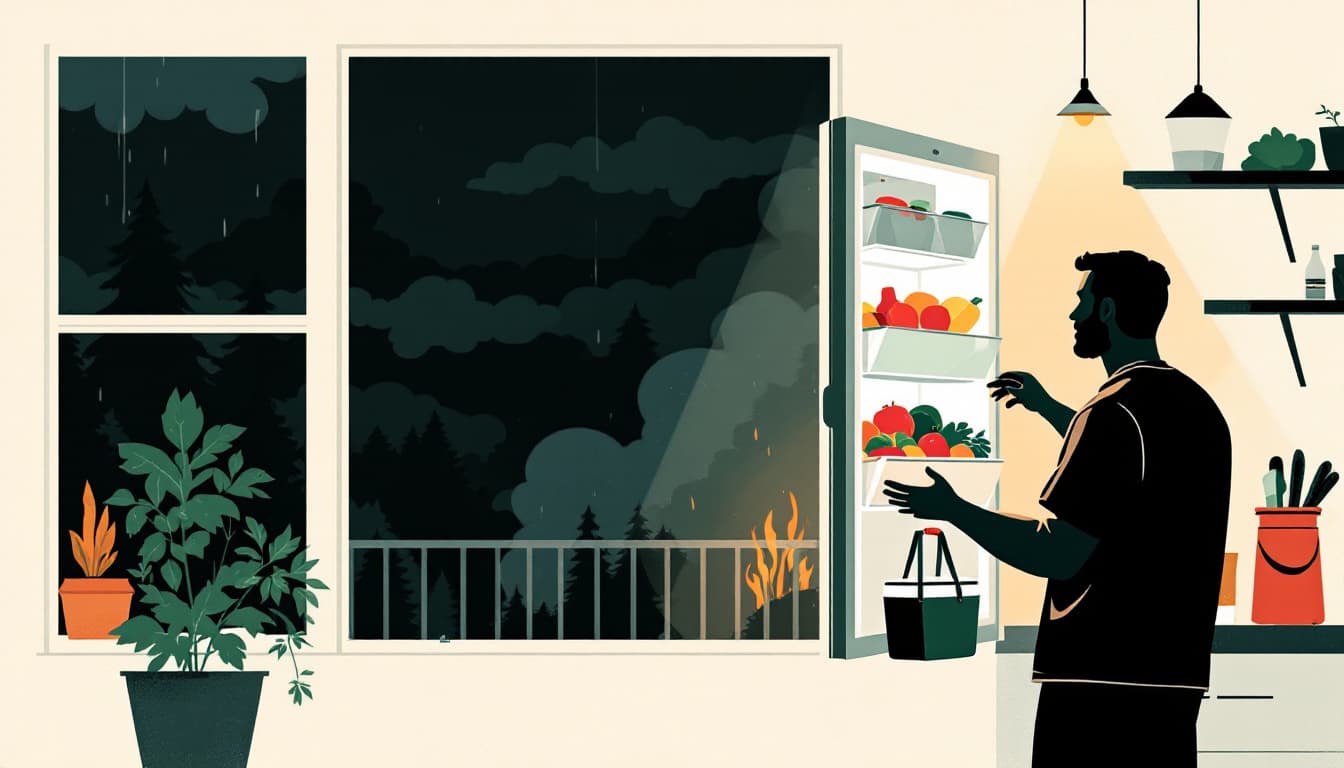
On Sunday morning, residents across central North Carolina watched storms roll through — the kind that feel like relief. They aren't. A CBS17.com report this week made clear those storms are the front edge of a building extreme heat event, not the end of it. What follows storms in late June across the Carolina Piedmont is typically stagnant air, elevated overnight lows, and a humidity profile that makes 95°F feel like something higher.
That combination — daytime highs, high dew points, and nights that don't cool below 75°F — is what kills people. Not the heat itself, but the body's inability to recover overnight.
What's actually changing
North Carolina's heat events have a particular character that's easy to underestimate. The Piedmont, from Charlotte up through the Triad and into the Triangle, sits in a zone where afternoon storms can suppress temperatures one day and vanish the next, leaving behind saturated air. That moisture load is the hazard. A heat index of 105°F is not a weather curiosity — the NC Department of Health and Human Services has documented heat as one of the leading weather-related causes of death in the state in recent summers.
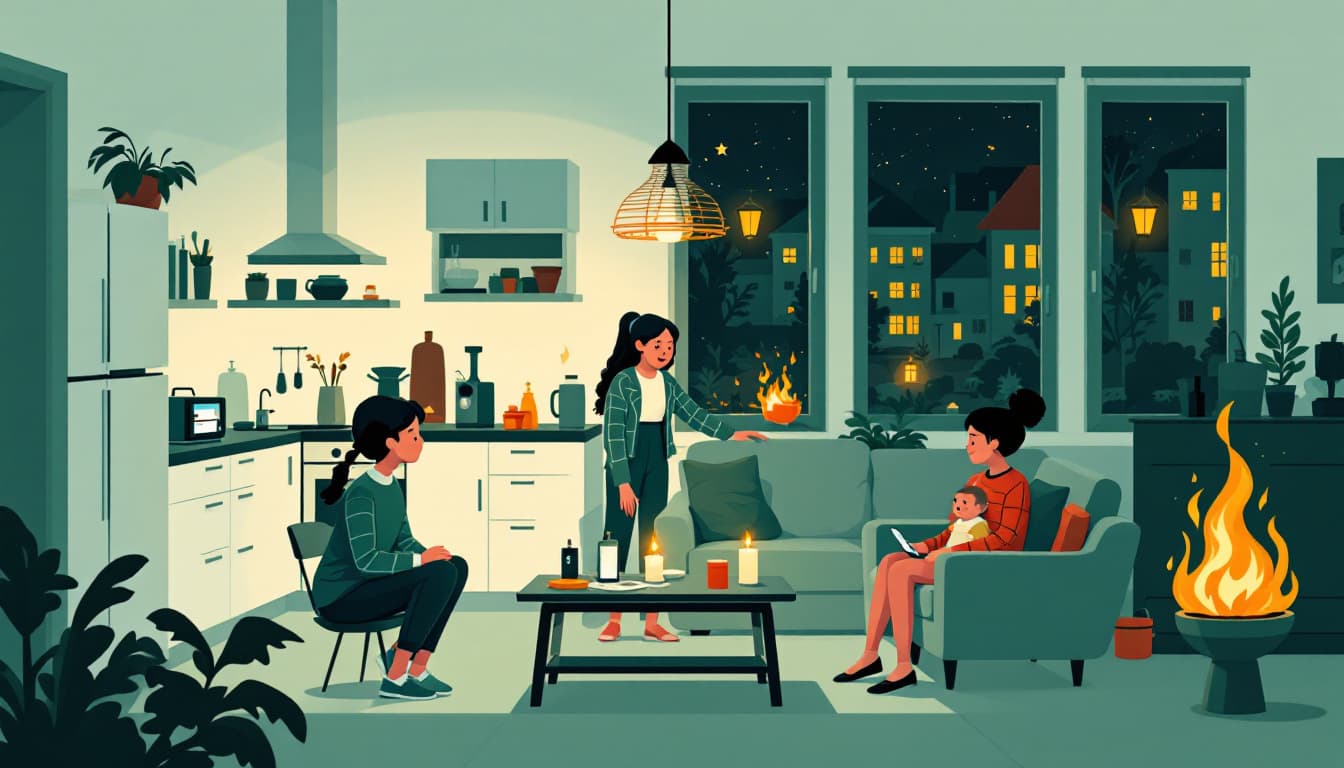
The grid is also part of this picture. Duke Energy and Duke Energy Progress both serve large portions of central NC, and demand spikes during sustained heat events. Rolling strain doesn't always mean rolling blackouts, but it does mean your air conditioner is working harder at exactly the moment the system is under the most load. If you lose power during a heat event — even for four hours — a house with poor insulation can become dangerous for elderly residents and young children within the same afternoon.
None of this is alarmism. It's the documented pattern for this region in late June and July.
What we'd actually do
Fill your bathtubs tonight, before the peak heat arrives. A full standard tub holds 40-60 gallons. If the power fails and your well pump goes down, or if municipal pressure drops during peak demand, that water is available for cooling, flushing, and drinking (with treatment). This costs nothing and takes two minutes.
Most preparedness advice skips this because it sounds too simple. It isn't. The window to act is before the heat peaks — not during it, when tap pressure may already be stressed and you're already depleted.
Identify your household's one actual cooling refuge, not a backup plan. Decide right now which room in your house holds cold best: typically the lowest floor, smallest square footage, north-facing, with windows that can be blacked out. Set it up before Tuesday. If your home has no reliable room, identify the nearest public cooling center — NC's 211 service (dial 2-1-1) maintains a live list by county during heat emergencies. Make that decision in advance, not at 3 p.m. when someone's already symptomatic.
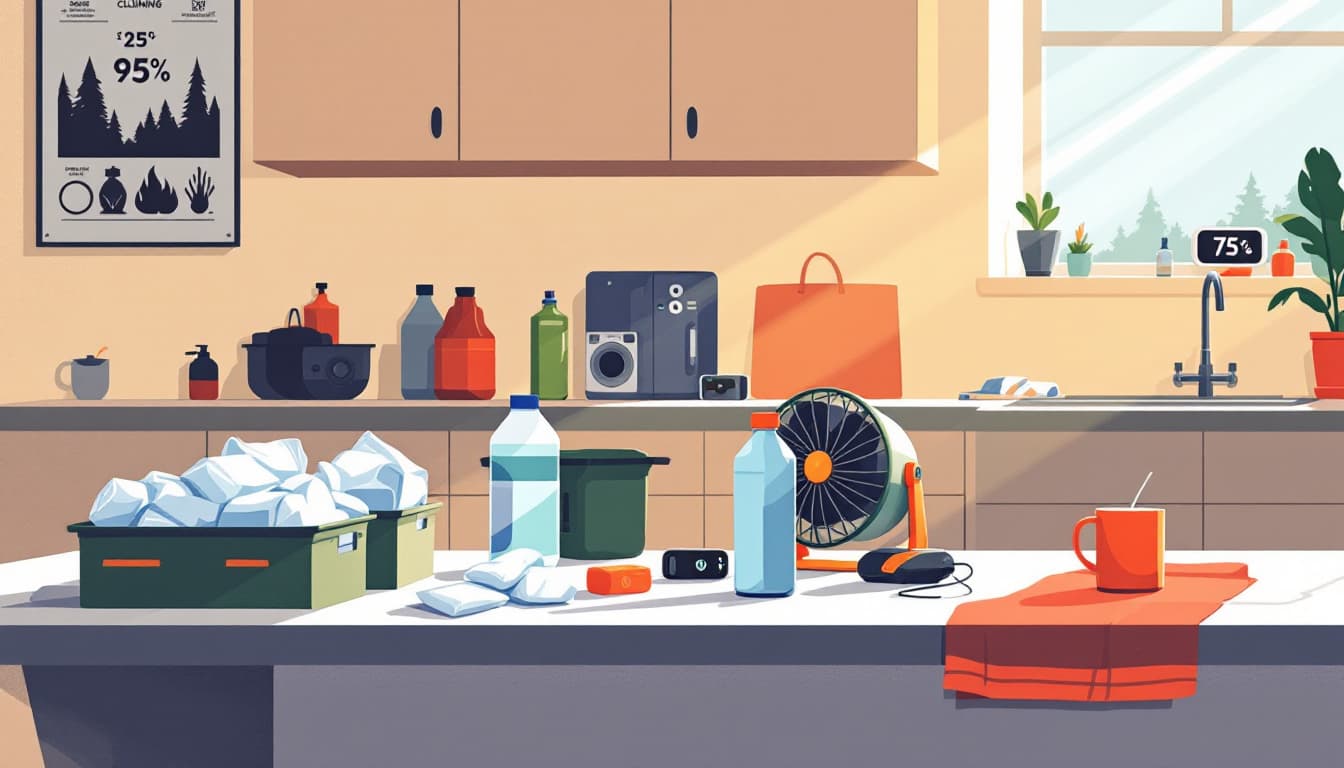
Check your window units and portable fans for airflow restriction. A dirty filter on a window AC unit can reduce its output by 20-30%. Clean or replace filters today. Confirm that portable fans are directing air toward people, not just circulating hot air in a room. This is the highest-return 15-minute task available to you this weekend.
Plan your outdoor exposure in 90-minute windows before 9 a.m. If you have yard work, pets that need exercise, or children with outdoor commitments, the NC heat advisory pattern means conditions typically become dangerous between 10 a.m. and 6 p.m. during sustained events. Restructure schedules now so outdoor activity happens at first light. This sounds obvious; most heat-related illness in NC occurs because people don't actually change their schedules.
Check on one neighbor who lives alone. Not three. One. A 10-minute welfare check — a knock, a 5-minute conversation — is the highest-impact preparedness action most households can take during a heat event. The NC medical examiner data on heat deaths consistently shows isolated elderly adults as the most at-risk group. Your neighborhood's resilience is part of your household's resilience.
The bigger picture
Heat events don't announce themselves the way hurricanes do. There's no mandatory evacuation, no shelter-in-place order, no moment that signals "this is serious now." That's what makes them routinely more deadly than the storms that precede them.
The goal here isn't to survive a disaster. It's to get through a hard week with your household intact, your systems functioning, and your judgment clear — so you're in the same position to handle the next disruption, whatever it turns out to be. Durable families treat a heat week the same way they treat a coming ice storm: a few specific actions taken in advance, then steady attention through the event.
The storms are already through. The heat is building. The window to prepare is today.