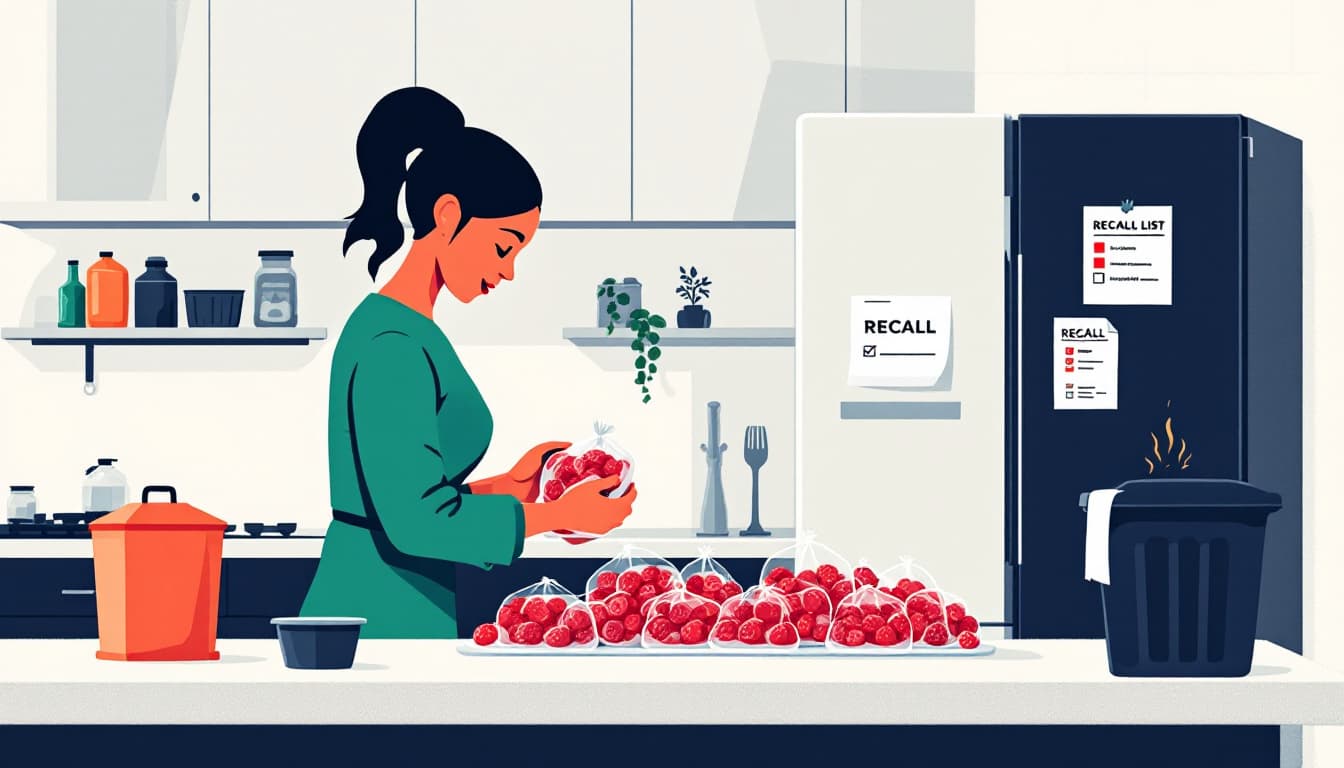
A report this week from WRAL, the Raleigh-based news outlet, highlighted that a Publix frozen berry recall has been upgraded by the U.S. Food and Drug Administration to a Class I designation — the agency's highest-risk classification, reserved for situations where there is a reasonable probability that consuming the product will cause serious adverse health consequences or death.
Class I recalls at the FDA level trigger more aggressive market withdrawal requirements and typically involve pathogens such as Hepatitis A, Listeria, or Salmonella, though the specific contaminant driving this particular recall's escalation has not been independently confirmed beyond what WRAL and other outlets have reported at this stage. Publix operates numerous retail locations across North Carolina, with a significant footprint in the Charlotte metro area, the Triad, and the Triangle region, meaning the recalled product had wide distribution throughout the state.
The FDA's recall database is the authoritative source for lot numbers, UPC codes, and best-by dates associated with the affected products, and the North Carolina Department of Agriculture and Consumer Services (NCDA&CS) monitors such federal actions and may issue supplementary consumer alerts through its Food and Drug Protection Division when products have documented distribution in the state.
For North Carolina households that maintain a stored food supply — particularly those building out longer-term pantries as a hedge against supply chain disruptions or storm-season shortages — frozen fruit is a common staple that sees heavier rotation through chest freezers ahead of hurricane season. The state's vulnerability to Atlantic storm systems, combined with its reliance on refrigerated supply chains running along the I-85 and I-40 corridors, makes frozen goods a practical storage choice; however, this recall is a reminder that frozen products are not immune to contamination events, and that lot-number verification at the time of purchase or storage is a meaningful part of any food safety practice. Middle Class Prepper has previously reviewed chest freezer models suited to the humidity conditions common in the Piedmont and coastal plain regions of North Carolina.