Rain returned to the Charlotte metro this spring, and the U.S. Drought Monitor has started pulling parts of the Piedmont back from the more severe categories. That sounds like good news — and on some level it is. But a report this week from WBTV complicates the picture: water-use violations in the region have been stacking up even as conditions nominally improve. That combination — loosening drought status alongside a documented pattern of overuse — is exactly the moment households should pay attention.
What's actually happening here
Drought monitors measure soil moisture, streamflow, and reservoir levels against historical averages. A single wet month can shift the map meaningfully without actually restoring aquifer depth or long-term surface storage. The Catawba River basin, which supplies Charlotte and a string of Piedmont communities, has been under pressure for years. Recent rainfall helps, but it doesn't reset a system that was already being drawn down faster than it refills in dry years.
The violations piece matters for a different reason. Water utilities declare restrictions, and then a meaningful share of customers ignore them. That's not a moral indictment of neighbors — it's a data point about how water systems actually function under stress. Utilities have limited enforcement capacity. When restrictions are loose or inconsistently applied, demand doesn't fall as much as models predict, which puts more pressure on reservoir levels than the drought-stage maps suggest.
For households in Mecklenburg, Cabarrus, Union, or Gaston counties — all drawing from the same Catawba system — the relevant question is not whether your county is still technically in drought. It's whether you have any buffer at the household level if your utility moves to stricter rationing, or if a hot, dry summer arrives before storage fully recovers. Western North Carolina municipalities on smaller mountain watersheds face a different but related version of this problem: smaller buffers, faster-changing conditions.
What we'd actually do
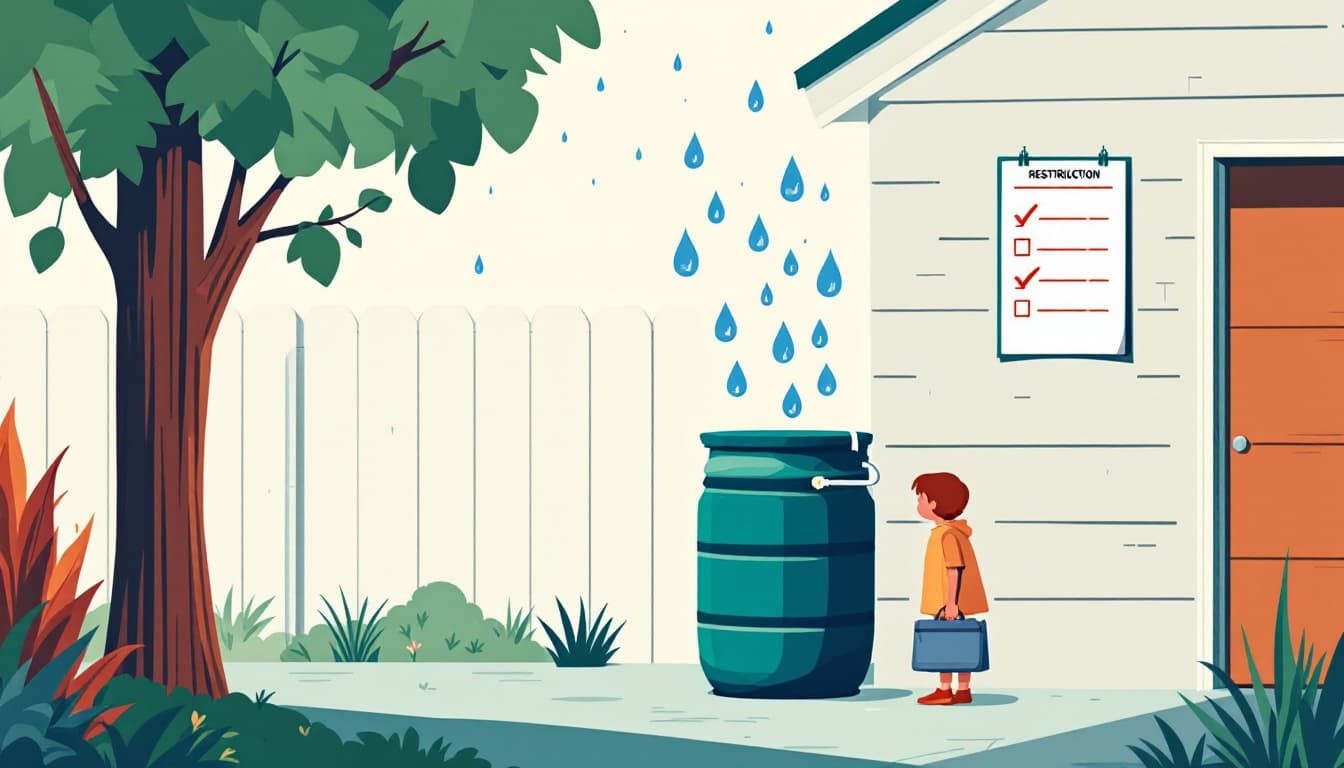
Audit your water storage today, while the pressure is off. If you have nothing stored and your utility went to Stage 3 restrictions tomorrow, what breaks first in your house? Most households have no answer. Start with a single 55-gallon food-grade drum filled from the tap and treated with a small amount of unscented liquid bleach per standard emergency guidelines. That's enough for two adults for roughly two weeks of drinking and basic sanitation.
Store water in your home, not just in your head. People who "plan to fill the bathtub" during a crisis rarely do it fast enough when utility pressure drops unexpectedly. A WaterBOB bathtub bladder (roughly $30) gives you up to 100 gallons on short notice, but only if it's already in the linen closet.
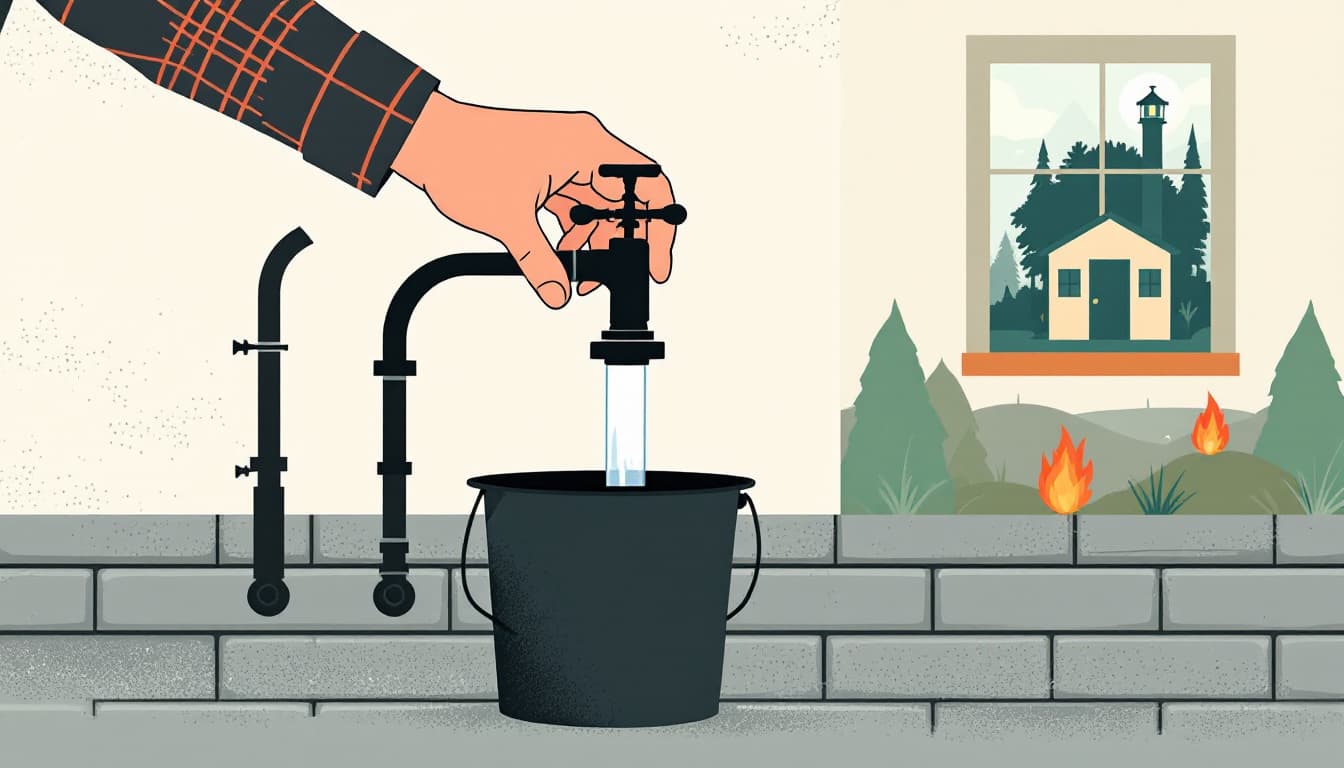
Know your utility's restriction stages before you need them. Charlotte Water, Cabarrus County utilities, and most municipal suppliers publish their drought response plans on their websites. Stage 1 through Stage 4 restrictions involve very different limitations. Most households don't know what stage they're currently in, let alone what's prohibited at Stage 3. Spend 15 minutes finding that page and bookmarking it.
Look at your outdoor water use as your biggest lever. Landscape irrigation typically accounts for 30–50% of household water use in warm months, according to EPA WaterSense program estimates. If restrictions tighten, that's where utilities focus enforcement and where your voluntary cuts have the most impact. Know which zones of your sprinkler system can go dormant without killing established trees or foundation plantings.
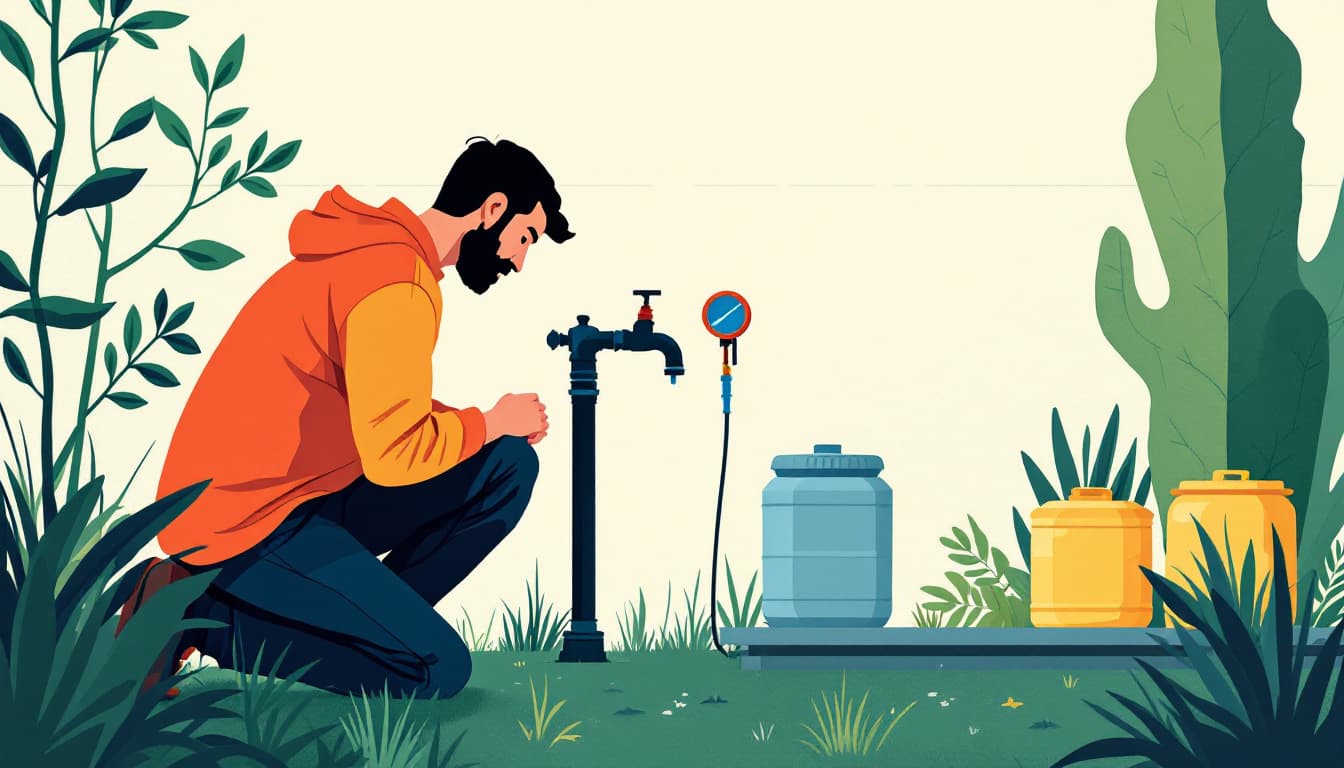
If you're on a private well in the Piedmont or foothills, get your static water level tested this season. NCDEQ offers guidance on well monitoring, and a licensed well contractor can measure static depth for a modest fee. Knowing your baseline now means you'll recognize a problem in a drought year before the pump runs dry.
The bigger picture
Water is the infrastructure risk most North Carolina households underestimate. Power outages get attention because they're dramatic. Water slowdowns are quiet — restrictions tighten gradually, billing notices go unread, and then one dry August the situation is suddenly serious. The WBTV story is a signal, not a crisis. The right response is a calm 30-minute review of your household's actual exposure, not a panic purchase.
The goal here is durability. A house with two weeks of stored water, a bookmarked utility drought plan, and a realistic sense of how the Catawba system behaves is meaningfully more resilient than one that's just hoping this spring's rain holds. That's a low-cost upgrade that requires almost no gear.