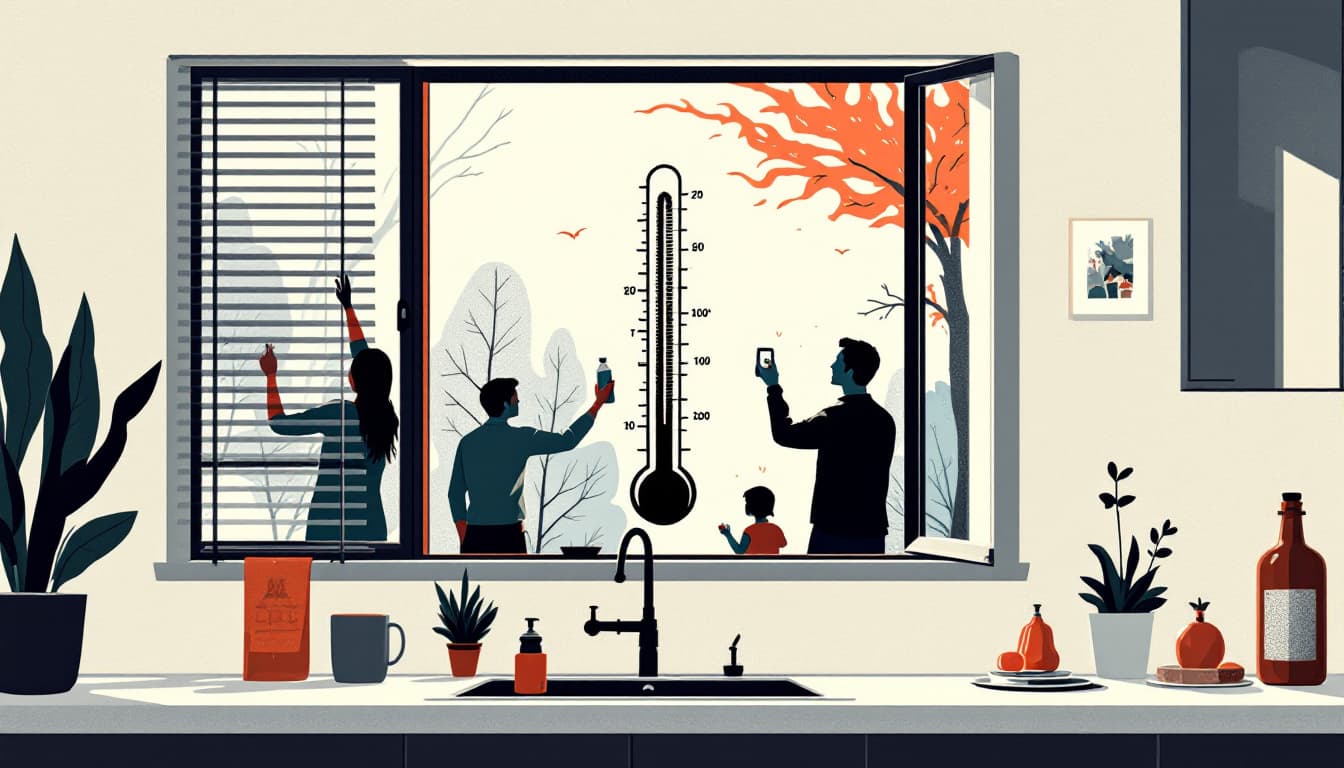
A WSMV report this week confirms what Middle Tennessee residents can already feel through their windows: another extreme heat wave has settled over the region. For the Nashville metro and surrounding counties, this is not a novelty. It is a pattern that is compressing — more waves, arriving sooner, lasting longer than the baselines TVA and local utilities built their load forecasts around.
That gap between old infrastructure assumptions and current heat behavior is where households get hurt.
What actually breaks during a Middle Tennessee heat wave
The obvious risk is heat illness. But the cascading household risks start earlier and hit harder than most families plan for.
Grid strain comes first. TVA serves most of Middle Tennessee through local power companies like Nashville Electric Service and Middle Tennessee Electric. When sustained heat drives air conditioning loads higher for multiple consecutive days, the system runs at margins it wasn't designed to hold indefinitely. Outages during extreme heat are not random — they cluster in the late afternoon when both outdoor temperatures and demand peak simultaneously. A two-hour outage at 4 p.m. in a house that's already 80°F inside is a medical event for elderly relatives, infants, and anyone on medications that require refrigeration.
Medications degrade faster than people realize. Insulin, certain cardiac drugs, and some thyroid medications lose potency when stored above 77–80°F for extended periods. If your household includes anyone on temperature-sensitive medications, a power outage lasting more than a few hours creates a real clinical problem, not just discomfort.
Older housing stock is the hidden vulnerability. A large share of homes in Nashville's surrounding counties — Rutherford, Wilson, Williamson, Maury — were built in eras when attic insulation standards were minimal. These homes heat up faster and recover more slowly when the AC cycles off. If your upstairs bedrooms hit 90°F within two hours of a power loss, your margin for error is narrow.
What we'd actually do
Locate your nearest county cooling center before you need it. Metro Nashville's Office of Emergency Management and most surrounding county emergency management agencies publish cooling center lists during heat emergencies. Find the address and hours now, this weekend, and save them in your phone. Knowing where to go at 6 p.m. when the power is out is categorically different from trying to find that information at 6 p.m. when the power is out.
Audit medications that require refrigeration. Pull out every prescription in your household and check the storage temperature on the label or package insert. For anything sensitive, ask your pharmacist this week what the realistic degradation timeline is if refrigeration is lost for 4, 8, or 12 hours. Some medications have more buffer than patients assume; others don't. Know the number before the outage happens.
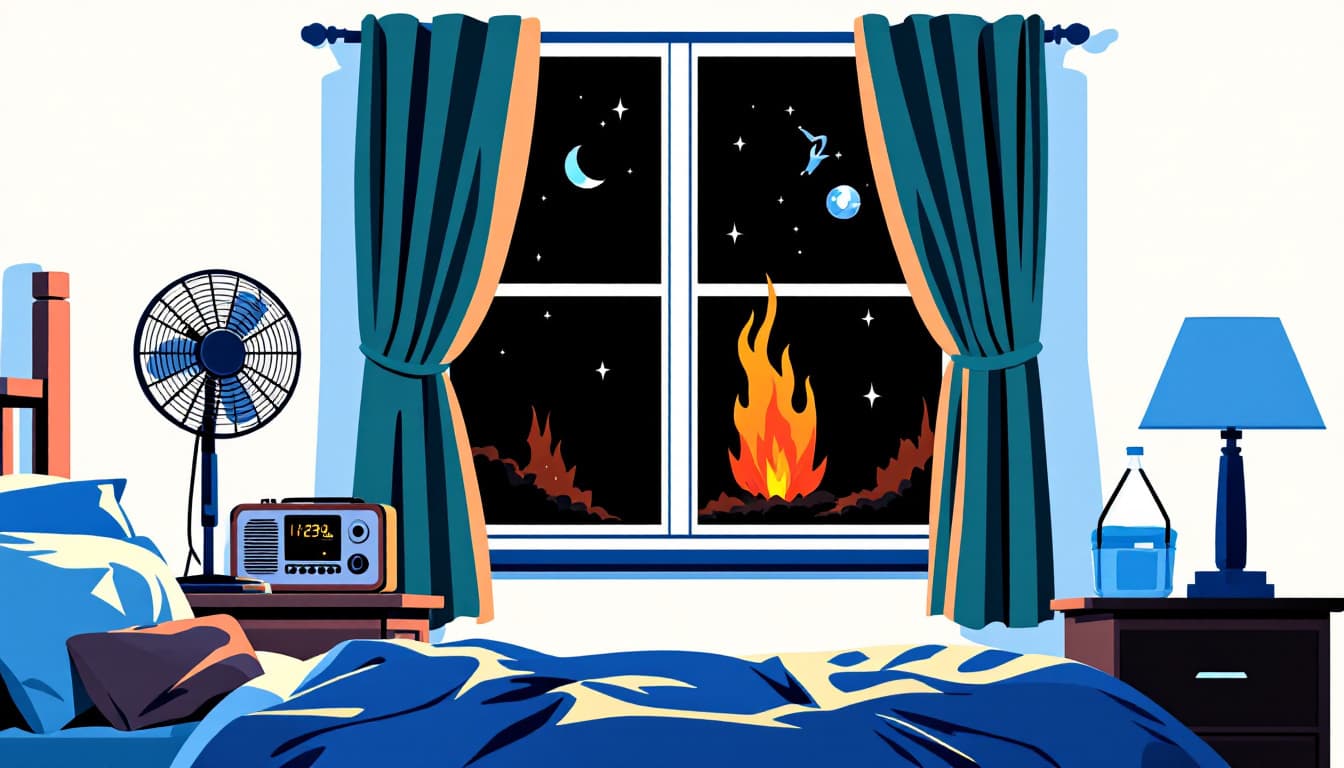
Move one sleeping space downstairs and prepare it. In a multi-story home, the ground floor stays significantly cooler than upper floors during a heat emergency. Identify one room on the lowest level of your home that could serve as a sleeping space. If you have box fans, position one to pull hot air out of a window rather than push outdoor air in — exhaust mode is more effective once outdoor temperatures drop after midnight.
Fill the bathtub and large containers at the first heat advisory. Not for drinking — tap water in Middle Tennessee is fine — but for cooling. A wet cloth on the back of the neck, wrists, and ankles is not folklore; it works. If the power goes out, having water ready without running taps matters. Large coolers filled with ice and water also extend the useful life of temperature-sensitive medications.
Check on your specific neighbors, not neighbors generally. Elderly residents living alone in older homes without central air, or with window units that can't keep pace, are the actual at-risk population. If you know someone in that situation within a few blocks of you, an in-person check at 3 p.m. on the hottest days costs you ten minutes and could matter enormously.
The bigger picture
Middle Tennessee is not going to stop having heat waves. TVA has been investing in grid modernization, and Nashville Electric Service has crews on standby during high-demand periods, but the honest reality is that infrastructure upgrades lag the pace of demand growth. The households that weather these events without crisis are the ones that closed the gaps in their own homes before the heat arrived.
Durability is not about stockpiling gear. It is about knowing the address of the cooling center, knowing what your grandmother's medications can tolerate, and knowing which room in your house stays livable when the system fails. None of that costs money. All of it requires doing it before the thermometer hits 105.