Walk through a Home Depot or a mid-range electronics retailer right now and you can already see the seams. Some product labels read "Made in Vietnam." Others say "Made in India." A shrinking but still-large share say "Made in China." The shelf looks normal. Behind the shelf, the logistics map is being redrawn in real time.
A recent piece from Asia Business Outlook laid out the structural case for India as a manufacturing alternative to China — lower labor costs, an English-speaking technical workforce, and government incentive programs designed to attract foreign factory investment. The analysis tracks with moves that companies in pharmaceuticals, electronics, and textiles have been making for several years.
What's actually changing
"De-risking" is the corporate term for what happens when a company decides it has too much production concentrated in one country. The pandemic-era shortage of semiconductors and the tariff cycles of the past several years accelerated the calculation. India has been one of the primary beneficiaries.
This matters for households because supply chain transitions are not clean. When production shifts from one country to another, there is a window — often 18 to 36 months — where capacity at the new source is ramping up, quality control systems are being calibrated, and logistics routes are being tested. During that window, availability can be inconsistent and prices can spike before they stabilize.
The pharmaceutical angle is the one that most households underestimate. India is already the world's largest supplier of generic medicines by volume, and a significant share of active pharmaceutical ingredients — including for medications many Americans take daily — either originate in India or pass through Indian facilities. Any disruption to that supply line, from monsoon flooding to port congestion to regulatory action, shows up eventually in a U.S. pharmacy. That's not a hypothetical. The FDA's drug shortage database has logged ongoing shortages of generics tied to manufacturing bottlenecks for years running.
Electronics and small appliances are a different story. The transition of phone assembly and consumer electronics toward Indian production is real but still partial. Consumers should expect uneven availability of specific models and configurations rather than broad shortages — more of a "this color is backordered" situation than "we have no phones."
Textiles and apparel are probably the least urgent category for household preparedness, because the sourcing geography there has been diversifying for over a decade and supply is generally resilient.
What we'd actually do
Audit your medicine cabinet against the FDA shortage list. The FDA maintains a current drug shortage database at fda.gov. If a medication in your household appears there or has appeared recently, ask your pharmacist about a 90-day supply and whether a therapeutic alternative is available. This takes 20 minutes and costs nothing.
Most households operate on a one-week or two-week medication buffer, which sounds fine until a pharmacy tells you a resupply is two weeks out. A 90-day prescription — where your insurance allows it — is the lowest-effort resilience move available.
Build a modest buffer on items your household uses consistently. This is not a call to stockpile. A three-to-four-week supply of non-perishable goods you actually rotate through — cooking oil, canned proteins, hygiene staples — smooths over the short availability gaps that accompany supply chain transitions. The key word is rotate: buy what you'll use, use what you buy.
Pay attention to country-of-origin labels on electronics before you need to replace something. If a laptop, router, or phone in your household is aging, it's worth buying the replacement before it fails rather than after, simply because sourcing uncertainty makes the "wait until it breaks" strategy riskier than it was five years ago.
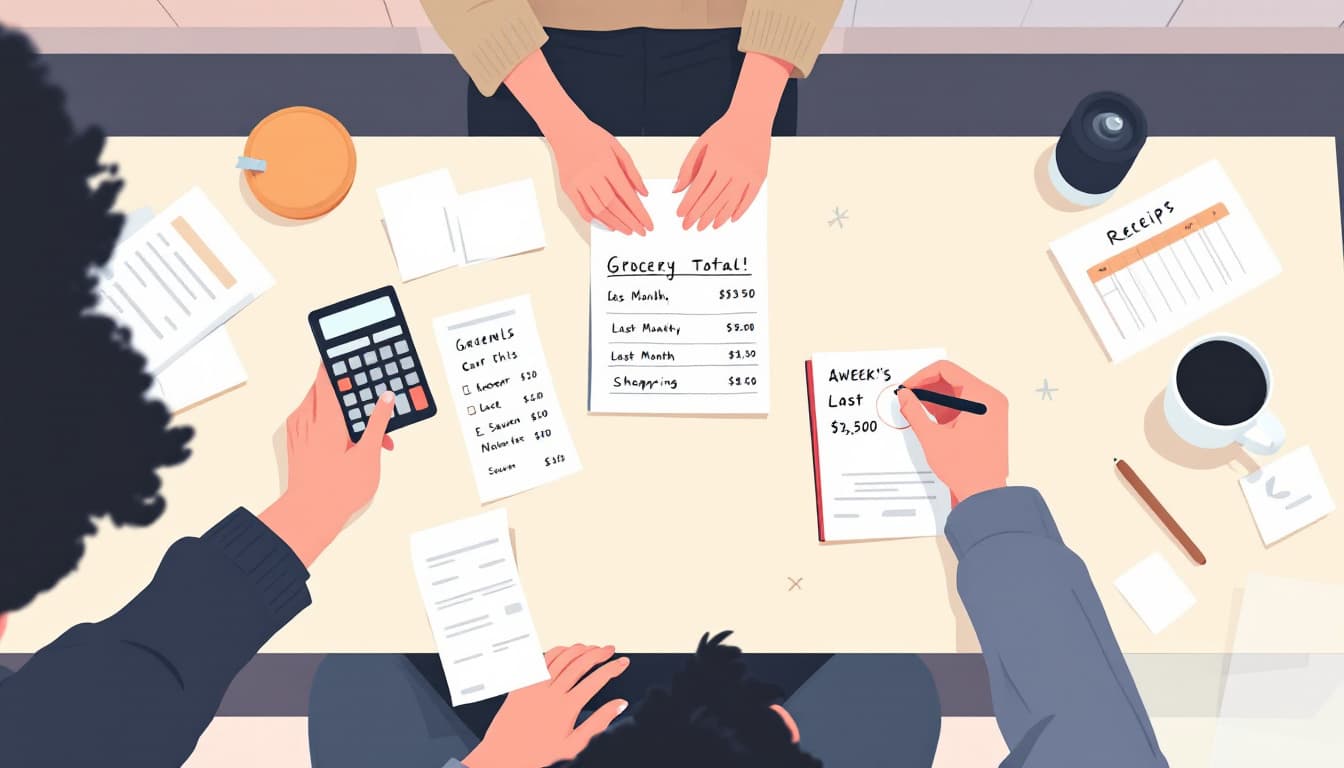
Track the price of a consistent basket of goods month to month. Not every price movement is supply-chain-driven, but keeping a simple note of what you pay for staple items helps you distinguish between inflation and a genuine availability squeeze. It also tells you when to stock up versus when to wait.
The bigger picture
Supply chain geography is shifting, and that shift is mostly a good thing for long-run resilience — diversified sourcing is more durable than concentrated sourcing. But "good for long-run resilience" and "smooth for households in the near term" are not the same thing. The transition period is real, and it rewards households that have built even modest buffers.
The goal here is not to out-prepare a crisis. It is to build enough margin that ordinary disruptions — a delayed shipment, a temporary drug shortage, a backorder on a replacement part — stay annoying rather than becoming emergencies. That's a durable household, not a bunker.