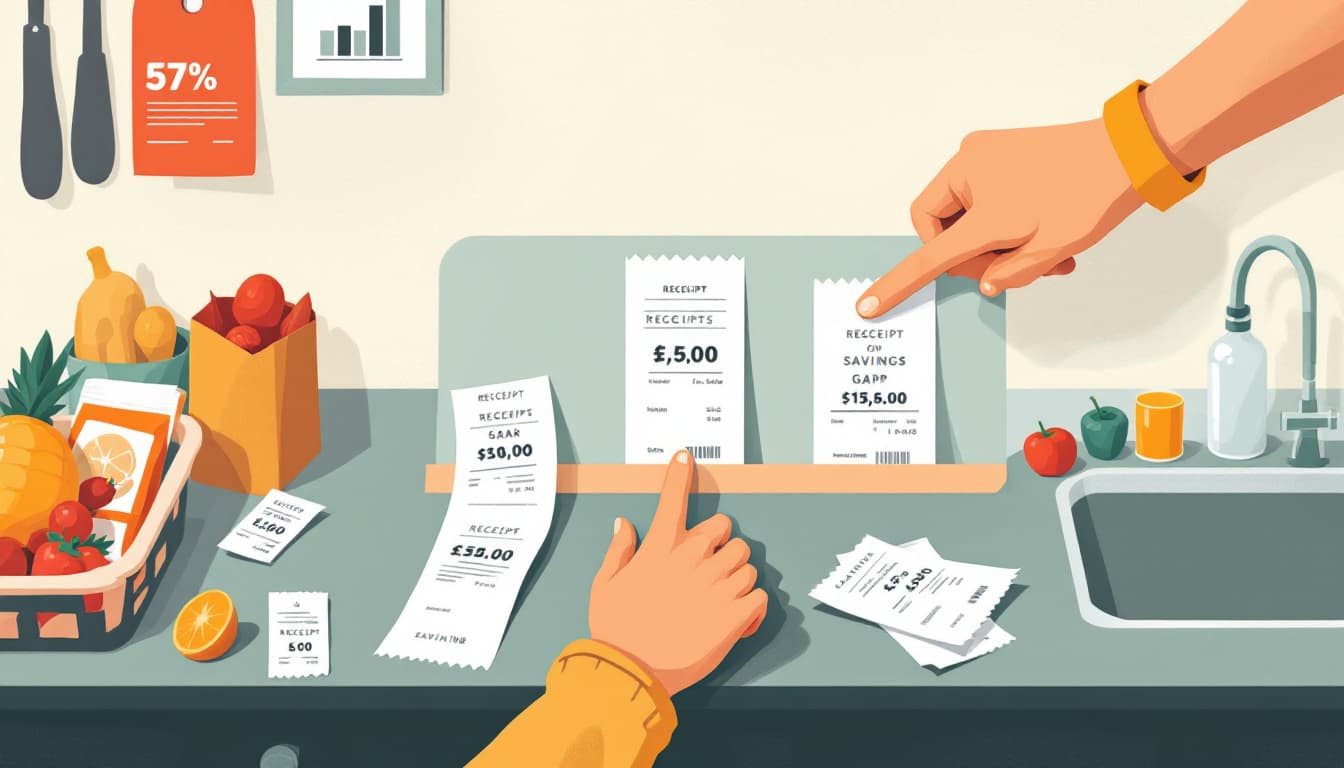
A report this week from Troy Media highlights a pattern that is frustrating consumer advocates and economists alike: major grocery chains have successfully negotiated cost freezes with their suppliers, yet those savings are not translating into lower prices at the checkout. In other words, the relief that retailers have secured on the procurement side is being absorbed into improved profit margins rather than being shared with shoppers.
The dynamic illustrates a structural feature of retail grocery pricing that often goes unreported. Grocery chains negotiate supplier contracts on rolling cycles — sometimes quarterly, sometimes annually — and when input costs drop or freeze, retailers historically restore margin before they reduce shelf prices. Industry analysts have noted that after years of cost-driven price increases that retailers publicly blamed on suppliers, the current freeze gives chains an opportunity to quietly rebuild the margin they claimed to have sacrificed during the 2021–2024 inflationary period. Troy Media's reporting draws attention to the asymmetry: price hikes moved quickly upstream to consumers, while cost relief moves slowly, if at all, in the other direction.
The broader economic backdrop matters here. Food-at-home prices in Canada rose sharply through 2022 and 2023, with some categories seeing cumulative increases exceeding 20 percent. Supplier cost freezes, when they occur, are typically negotiated after commodity markets have already softened — meaning the consumer price environment was set during a higher-cost window and tends to stay anchored there even as the underlying economics shift. Grocers point to ongoing labor, logistics, and energy costs as justification for maintaining current price levels even when ingredient or wholesale costs stabilize.
For people who maintain deep pantries or buy staple goods in bulk, the practical reality of this lag is worth understanding in concrete terms. Shelf-stable foods — canned goods, grains, legumes, dried pasta — are priced at retail based on what grocers paid months ago plus margin, not on today's commodity spot price. That means a period of frozen supplier costs does not produce an immediate buying opportunity at the shelf; any softening in retail pricing, if it comes at all, typically appears six to twelve months after wholesale costs stabilize, and often only under competitive pressure from discount grocers or private-label expansion. Shoppers building or rotating long-term food stores are, in effect, buying into a price that already reflects past cost peaks, not present ones.