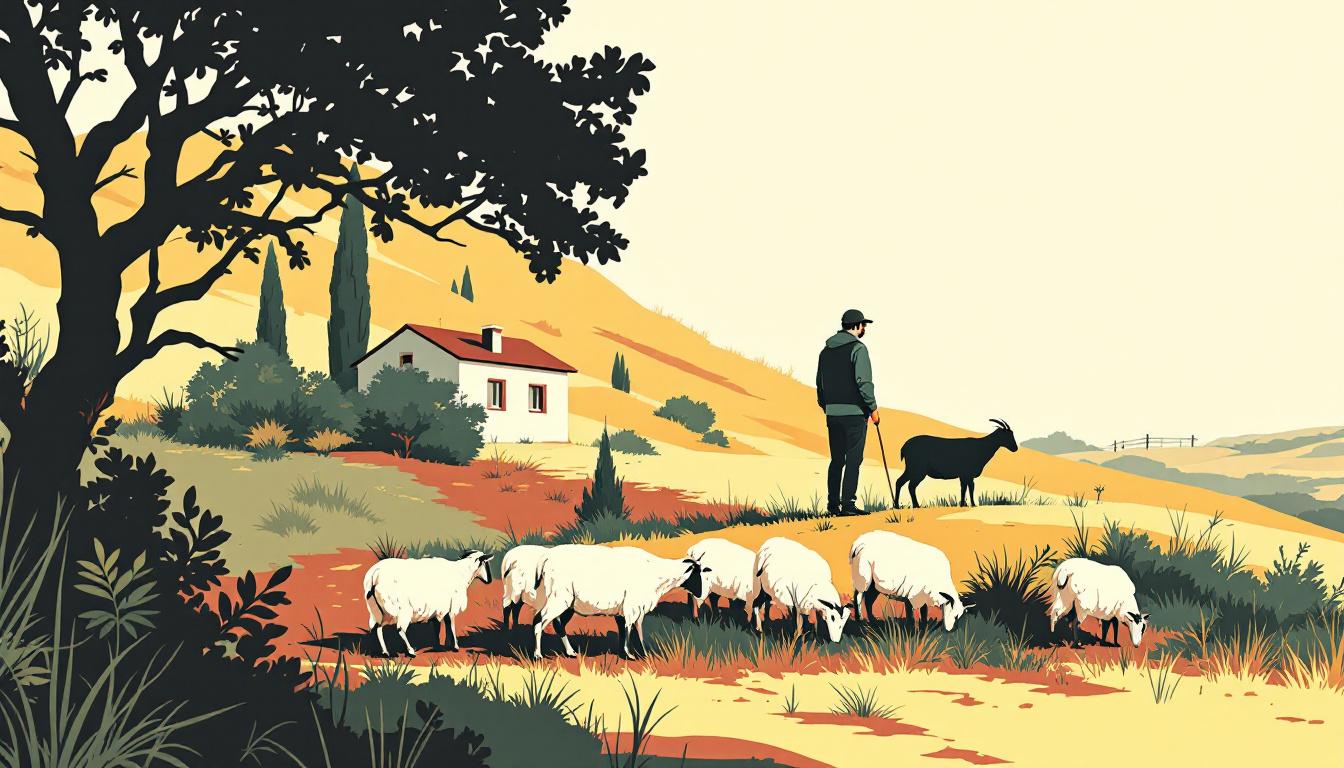
A report this week from Western Ag Network highlighted a growing policy conversation among ranchers, land managers, and fire officials in the American West: that expanding livestock grazing permits on Bureau of Land Management and U.S. Forest Service land could serve as a meaningful wildfire suppression tool by reducing the quantity of dry grass and brush that feeds fast-moving fires.
The argument is not new, but it is gaining traction in a specific regulatory context. Federal grazing permits have historically been constrained by environmental review requirements, seasonal restrictions, and stocking rate limits set through multi-year land use plans. Advocates for expanded grazing are now pushing to streamline those permitting processes and increase allowable animal unit months — the standard measurement expressing how many animals can graze a given area over a given period — specifically in areas identified as high fire-risk corridors. The Western Ag Network piece framed this as a cost-competitive alternative to mechanical fuel treatments, which can run from several hundred to over two thousand dollars per acre depending on terrain and vegetation density.
Proponents point to research from university extension programs and the federal Joint Fire Science Program showing that targeted grazing can reduce fine fuel loads — the annual grasses and forbs that cure quickly in summer heat and carry surface fires — by meaningful percentages in a single season. Critics, including some conservation organizations, counter that overgrazing degrades soil crusts and native perennial grass communities in ways that can paradoxically increase erosion and long-term fire risk, and that the science supporting grazing as fire suppression is more context-dependent than advocates acknowledge. The debate tracks closely with ongoing disagreements over the Biden-era Public Lands Rule, which the current administration has moved to revise.
What the coverage in outlets like Western Ag Network typically does not address is the supply-chain and community resilience dimension of this policy question. The same federal grazing allotments under discussion are, in many cases, the operational foundation for small and mid-size ranching operations across Nevada, Idaho, Montana, Wyoming, and the intermountain Southwest. If permit expansion does move forward and stocking rates increase on BLM land, it would likely modestly increase the regional supply of grass-fed and range-finished beef — the segment of the beef market that has seen the most acute supply tightness over the past two years as herd sizes nationally hit multi-decade lows. For households in fire-adjacent rural and exurban areas, the more immediate relevance is that the lands being discussed as grazing corridors are often the same buffer zones between wildland and community that determine how much time residents have when a fire ignites nearby. Whether those acres are grazed, mechanically treated, or left to accumulate fuel is not an abstract policy question — it is a factor in evacuation window length, which is something our 72-hour bag and go-bag review has covered in the context of western fire preparedness.
No federal rulemaking timeline has been announced as of mid-November 2026, and the Western Ag Network report reflects advocacy-stage discussions rather than a finalized regulatory change. Congressional interest in attaching grazing permit streamlining to any forthcoming federal lands package is, however, reportedly active on both the Senate Agriculture and Senate Energy and Natural Resources committees.