A recent MSN report on the Florida Keys frames extreme heat as a challenge the tourism and hospitality sector is actively managing — upgraded cooling systems, heat-resilient landscaping, adjusted outdoor schedules. The framing is economic: keeping visitors comfortable enough to keep spending. What the report doesn't address is what the rest of Monroe, Miami-Dade, Broward, and every county north of them should be doing at the household level before August arrives.
What's actually changing
Florida has always been hot. What's shifting is the duration and overnight floor. When nighttime lows stay in the low-to-mid 80s for days in a row — which recent summers in South Florida have produced — residential structures that were built to cool off overnight don't get the chance. That compounds heat stress on occupants, accelerates wear on AC units running continuously, and stretches utility grids toward their limits during exactly the window when demand is highest.
The Keys adaptation story is about money protecting tourists. The household version of that story is about whether your family can stay safe in your own home if the grid hiccups or your AC unit fails on a Wednesday afternoon in July when every HVAC technician in the county has a two-week backlog.
That's the gap worth closing.
What we'd actually do
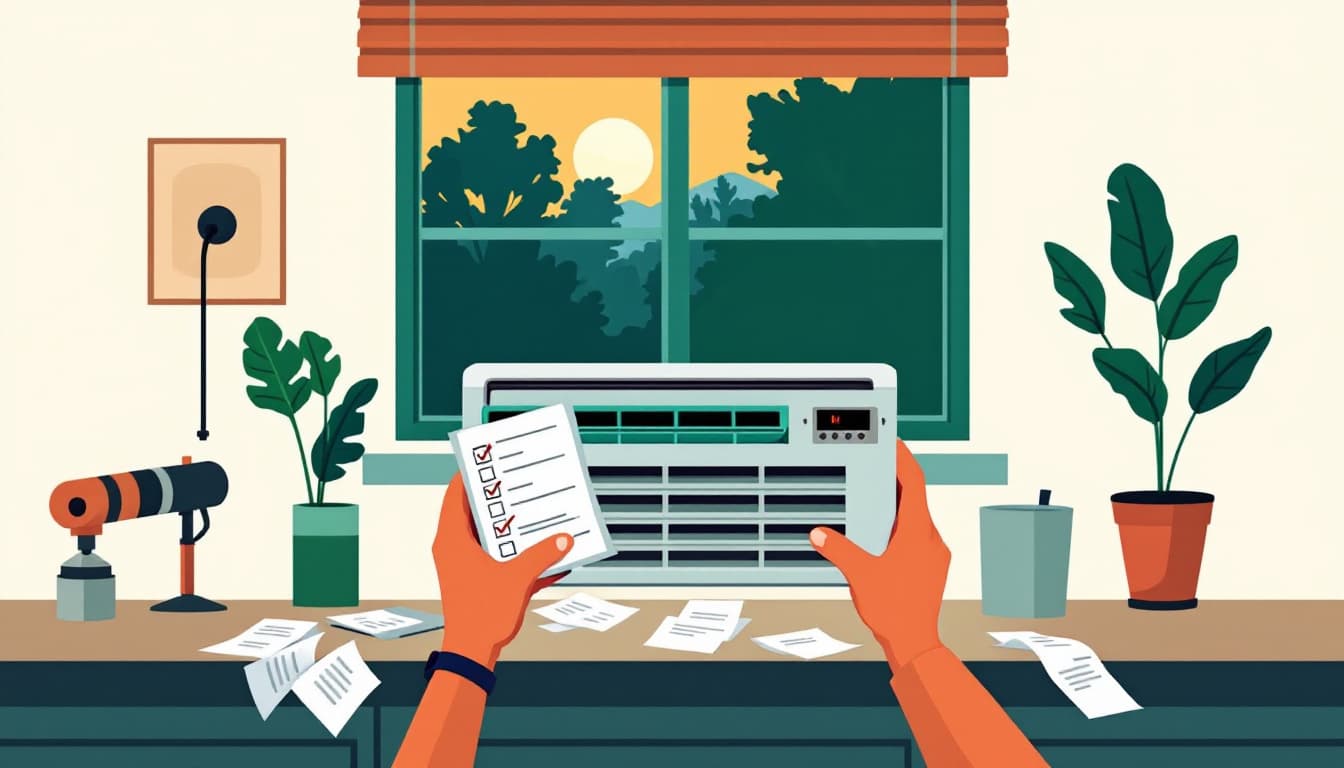
Get your AC serviced before July, not after it breaks. Schedule a maintenance visit now. A clogged filter, low refrigerant, or a failing capacitor won't announce itself — it'll fail at 4 p.m. on the hottest day of the year. A tune-up typically runs $80–$150 and extends unit life. Ask the technician specifically about the capacitor; it's the most common failure point in Florida summers and a part that costs under $30 if replaced proactively.
Identify your household's heat vulnerability honestly. Anyone over 65, under 5, taking diuretics or beta-blockers, or with cardiovascular or kidney conditions faces heat illness faster than a healthy adult. If that describes someone in your home, your heat plan needs to be more specific than "we'll go to a hotel." Know which public cooling centers your county operates — Florida's county emergency management websites list them — and make sure that person knows the address and has transportation.
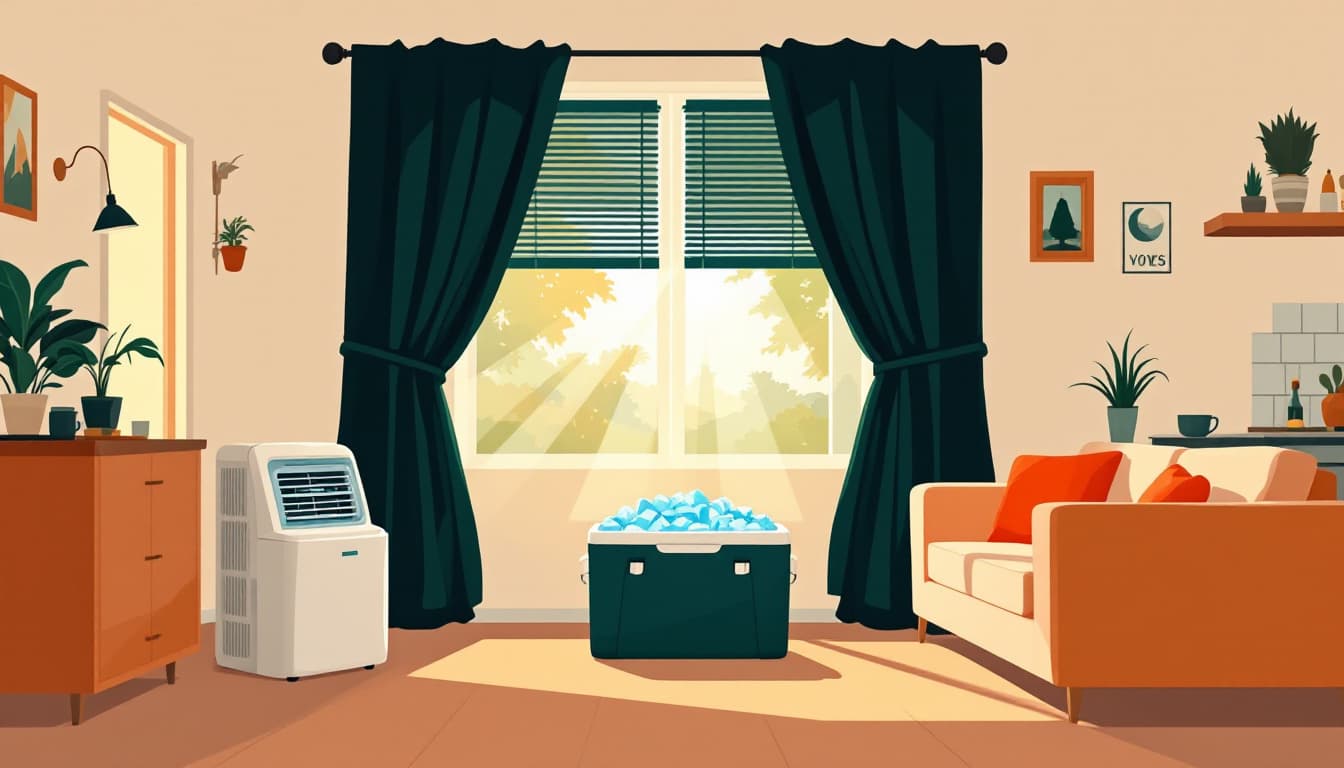
Set up one room as your resilience room. Pick the interior room with the least window exposure. A single window AC unit drawing 1,200 watts can keep one room livable even if central air fails. A 2,000-watt portable generator or a battery station rated above 2kWh can run that unit for several hours. This is not about running your whole house off-grid. It's about having one room where your family can sleep safely during a multi-day outage. The Florida Division of Emergency Management consistently identifies residential heat as the leading cause of storm-related deaths — most of them happen days after the headline event, not during it.
Stock two weeks of water for heat-specific needs, not just drinking. Standard guidance is one gallon per person per day. In Florida heat with no power — no fans, no AC — that number climbs. Two gallons per person per day is a more honest baseline if you're sweating continuously. Rotate stored water every six months; the containers degrade faster in Florida's UV and heat than in cooler climates.
Know your utility's outage map and restoration priority zones. Florida's major utilities publish this information. Medical baseline customers and critical infrastructure get restored first. If someone in your home qualifies for medical baseline status — available through FPL, Duke Energy Florida, and TECO — register now, before an outage, not during one.
The bigger picture
The Keys story is a useful mirror. When money is on the line, institutions adapt. Households need to do the same work — not because catastrophe is coming, but because a 72-hour power outage in a Florida summer is a genuine medical event for vulnerable people, and it happens every year somewhere in this state. Durability means your family can handle the ordinary failures that Florida summers reliably produce. That's not doomsday prep. It's maintenance.