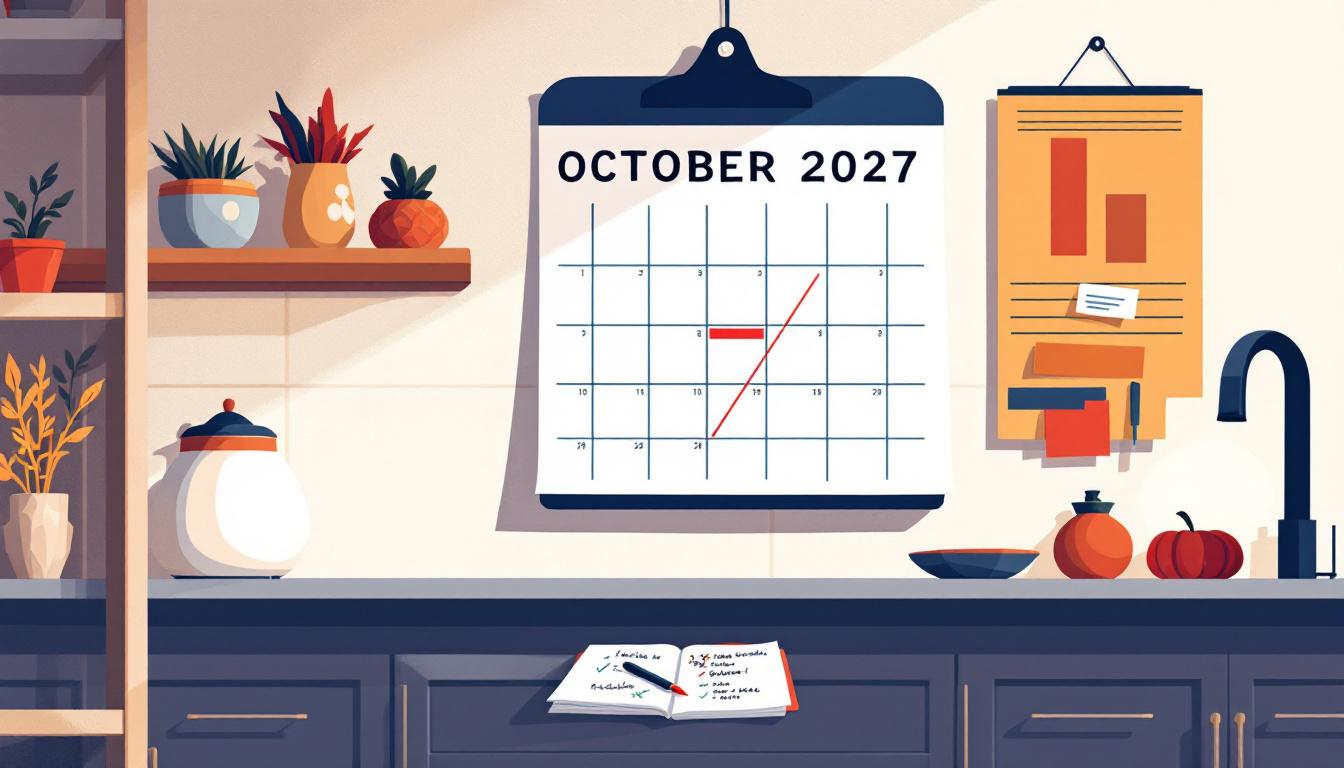
The Federal Reserve intends to skip a rate decision at its October 2027 meeting, according to a report from the Wall Street Journal. The move represents a departure from the central bank's standard cadence of eight scheduled Federal Open Market Committee meetings per year, at each of which policymakers typically either adjust the federal funds rate or hold it steady with an accompanying statement and vote.
The WSJ report does not indicate that the Fed is canceling the meeting outright, but rather that the October gathering will not produce a rate decision — meaning no policy action, and likely no updated Summary of Economic Projections, which the Fed releases four times annually alongside certain meetings. The practical effect is that markets and analysts would need to wait until the following scheduled meeting before any rate change could be enacted through the normal process.
The Fed has historically maintained the authority to hold emergency or unscheduled meetings when conditions warrant — it did so during the 2008 financial crisis and again in March 2020 at the onset of the COVID-19 pandemic — but those are distinct from a planned decision to pass on action at a scheduled meeting.
What this procedural detail means for people tracking supply chain and credit conditions is more concrete than it might appear. The federal funds rate directly influences the borrowing costs that flow through to small business lines of credit, adjustable-rate mortgages, and the carrying costs of inventory financing. When the Fed's decision timeline shifts — even by one meeting cycle, roughly six to eight weeks — businesses and households that are holding debt tied to variable rates face an extended period of uncertainty about their next payment adjustment. For preppers and self-reliant households in particular, the FOMC calendar is one of the cleaner leading indicators of when consumer credit conditions and retail financing terms are likely to change, making the skip of an expected decision a signal worth noting on its own terms, separate from whatever direction rates ultimately move.