A pasture without grass is a bill without income. When drought forces ranchers to sell cattle early — before animals reach optimal weight, before prices favor the seller — the herd shrinks faster than it can be rebuilt. That dynamic is playing out across parts of the South right now, with Magnolia Reporter covering how cattle farmers are managing heat stress in both their animals and their land this summer.
The story reads as a regional agriculture piece. For households that buy ground beef, it's an early indicator.
What's actually changing
Cattle production runs on a biological clock that takes years to reset. When drought forces ranchers to liquidate — selling cows and heifers they'd normally keep for breeding — they're not just reducing this season's supply. They're reducing next season's and the season after that.
This is a well-documented cattle cycle: forced sell-offs create a short-term glut that briefly holds prices down, followed by a supply contraction that pushes retail beef prices up for an extended stretch. Recent USDA inventory reports have already shown U.S. cattle numbers at historically low levels compared to the last decade. A compounding drought summer doesn't help that trend.
Heat stress matters separately from drought. Cattle that spend energy managing body temperature convert feed to muscle less efficiently. Ranchers in affected regions face a double problem: less forage from dried pastures, and animals that aren't gaining weight as expected even when feed is available. Both compress margins and accelerate decisions to sell.
None of this means beef prices will spike by a specific date. Supply chains are complex enough that other variables — feed grain prices, export demand, import levels — can buffer or amplify the signal. What it means is that the directional pressure is upward, and families who rely heavily on beef as a protein source have time to adjust before the pressure becomes obvious at the register.
What we'd actually do
Build a modest beef buffer now, while prices are relatively stable. Whole muscle cuts like chuck roast and ground beef freeze well for three to four months at consistent 0°F storage. Buying an extra 10–15 pounds during a sale and rotating it through your normal cooking isn't hoarding — it's just buying ahead of a price signal you can already read. The cost delta between buying at today's price and buying after a 20% retail increase is real money.
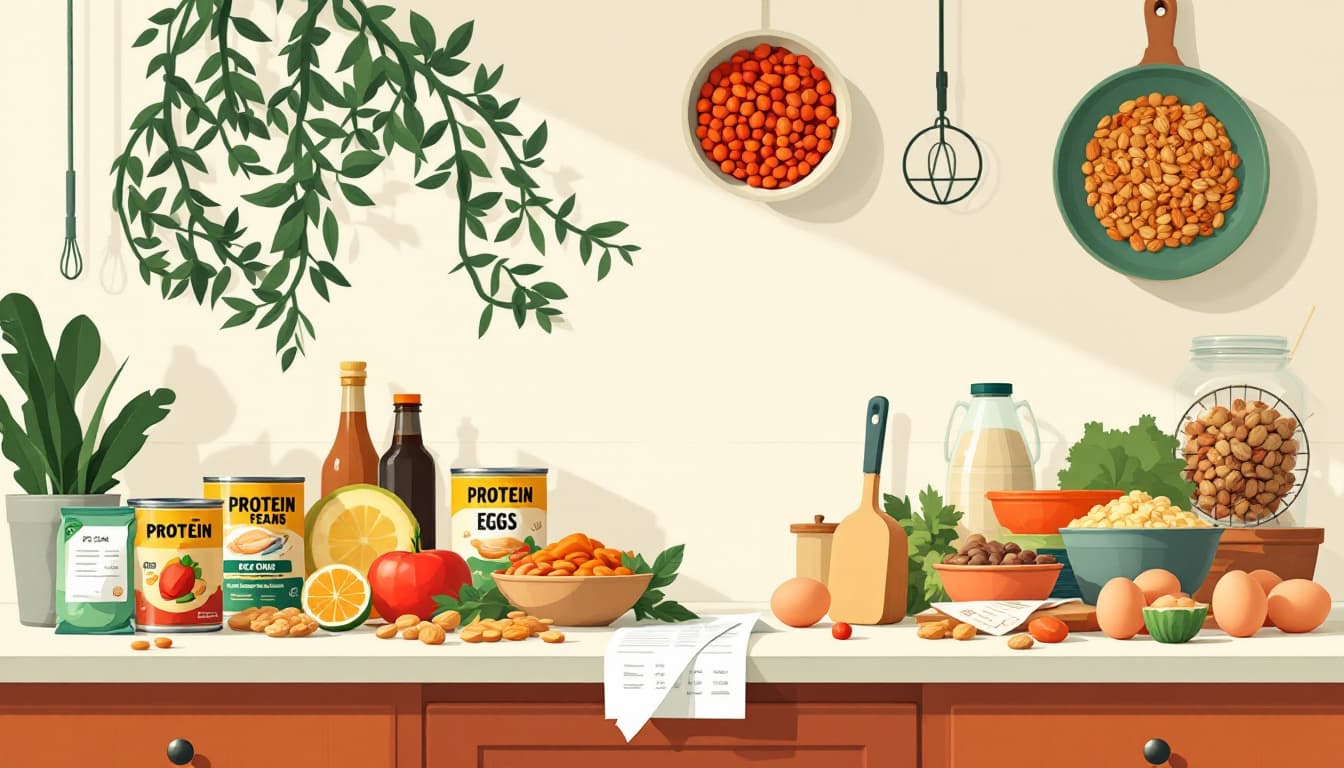
Diversify your household protein rotation before you're forced to. Eggs, canned fish, dried legumes, and chicken thighs all offer complete or complementary protein at lower price volatility than beef. If your family currently eats beef four nights a week, shifting one or two of those to another protein source isn't sacrifice — it's building flexibility. Flexibility is the whole point of household resilience.
Check your freezer's actual capacity and reliability. A chest freezer running at the right temperature is one of the highest-return resilience investments a household can make. If you already have one, confirm it's holding 0°F and that the door seal is tight. If you don't have one, this is a reasonable summer to consider it — both for protein storage and for reducing shopping frequency during heat events.
Understand that "cheap beef" sales at the retail level may be a sell-off artifact, not a trend. If you see unusually low ground beef prices this summer, it may reflect that ranchers are liquidating early. That's a good moment to buy and freeze — not a signal that prices will stay there. The liquidation phase precedes the shortage phase, often by 12–18 months.
The bigger picture
No single drought season collapses the food system. Households that treat this as binary — either nothing to worry about or time to panic — miss the more useful middle ground: incremental adjustment. The families who manage food costs well over a multi-year stretch aren't the ones who stockpiled in a frenzy. They're the ones who noticed a supply signal early, made modest changes to their buying habits, and built a protein rotation that doesn't depend on one category staying cheap forever.
Durability isn't dramatic. It's just paying attention slightly earlier than the person next to you in the checkout line.