Real estate agents sell optimism. That's the job. So when a Colorado realty group announces not one but two free public webinars on drought impacts and wildfire preparedness — as reported by SkyHiNews.com this week — it's worth asking what they're seeing that prompted the pivot from listing photos to fire risk education.
The short answer: the financial exposure has gotten too large to ignore.
What's actually changing
Colorado's mountain and foothill communities have been living with elevated wildfire risk for years, but several things are converging right now that make this moment different from the last few cycles of concern.
Drought conditions across much of the Western Slope and Front Range foothills have persisted long enough to dry out fuel loads that would normally recover. The National Interagency Fire Center has flagged above-normal fire potential across significant portions of the Mountain West heading into summer. None of that is new to anyone who follows fire news. What is new is that the insurance market has started pricing that risk in ways that are hard to miss on a mortgage statement.
Homeowners in high-risk ZIP codes are reporting non-renewals from carriers who quietly exited the Colorado market, or premium increases large enough to meaningfully change the math on affordability. When a realtor's clients start calling about insurance before they call about square footage, the industry adapts. Webinars follow.
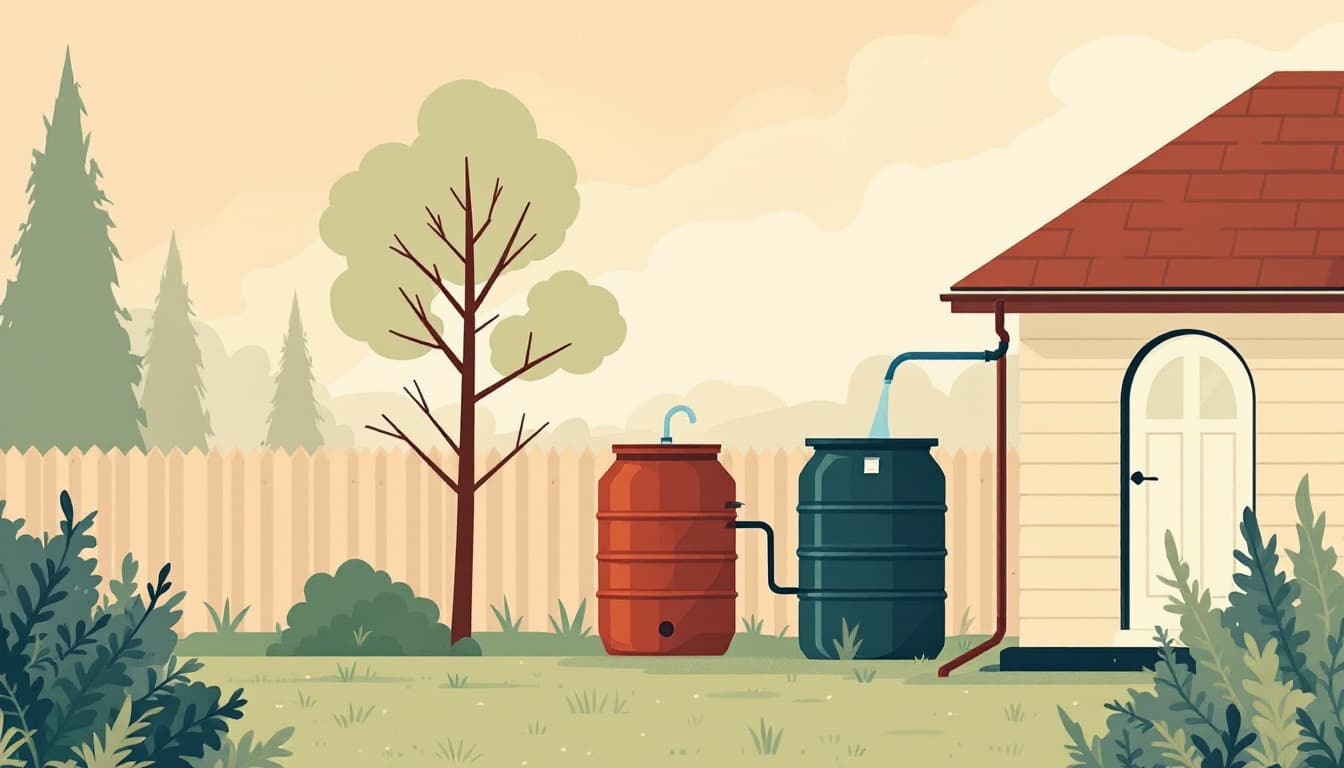
The drought piece matters separately from fire, and it often gets less attention. Prolonged drought in mountain communities affects well water levels, municipal water pressure during peak demand, and the soil stability that determines whether a hillside holds after a burn scar absorbs a monsoon rain event. For families who own property in these corridors, drought is not just a fire accelerant — it's a multi-year infrastructure stress test.
What we'd actually do
Get your home's current fire risk score from a third-party source, not just your insurer. Your insurance company has its own risk model, and it may not match what FEMA, your county assessor, or wildfire research organizations are using. Tools like the USFS Wildfire Hazard Potential map are publicly available and free. Pull your parcel. If your property sits in a high or very high hazard zone, that information belongs in every financial and preparedness conversation you have this year.
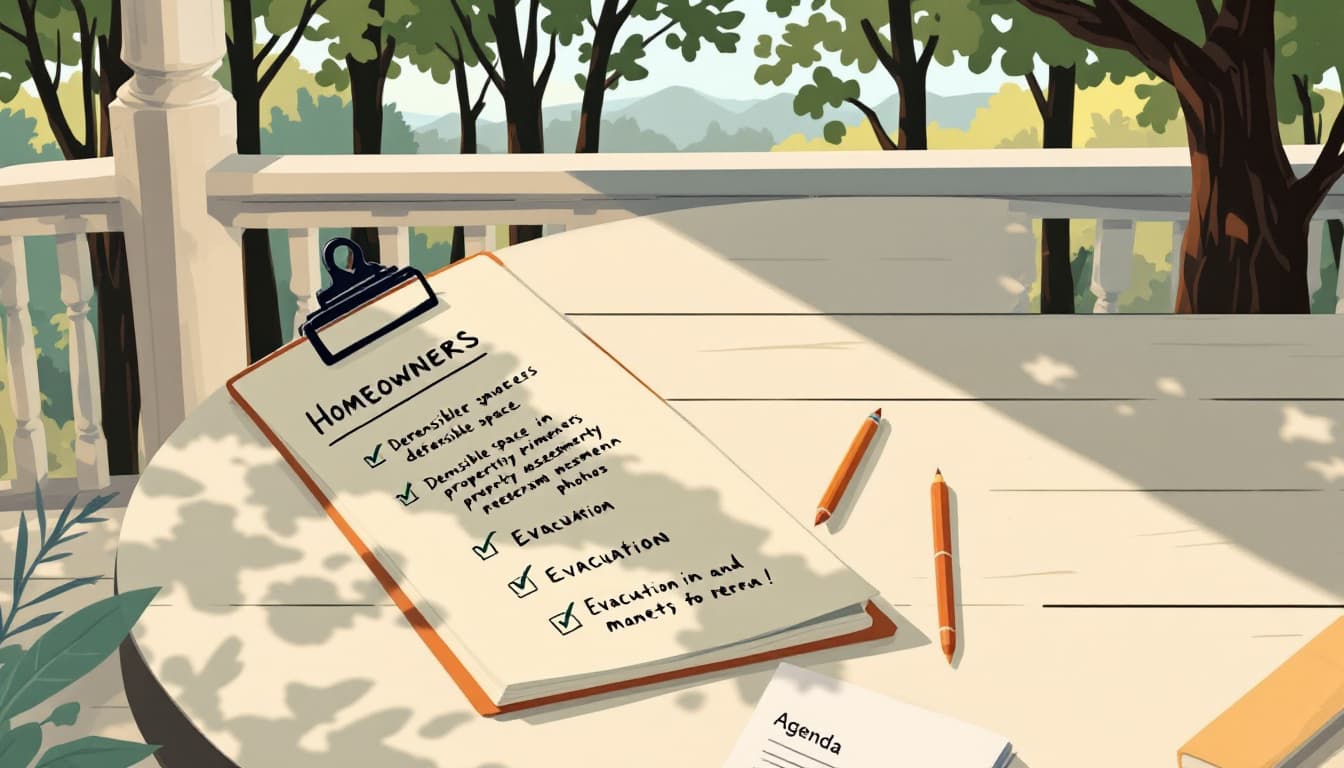
Treat your defensible space as a twice-yearly maintenance task, not a one-time project. Defensible space — typically a cleared zone of 30 to 100 feet around a structure, depending on slope — degrades faster than most homeowners expect. Grasses regrow. Debris accumulates. A one-afternoon cleanup in April does not carry you through September. Put a calendar reminder in July to do a second pass, and focus specifically on the roof and gutters, where embers land first.
Build a go-bag that assumes a 72-hour displacement, not a two-hour one. The standard emergency kit advice targets short outages. Wildfire evacuations routinely stretch three to seven days, and the shelter options — hotels, friends' houses, Red Cross sites — fill fast. Pack for a week. Include physical copies of your insurance policy, your home inventory photos stored in cloud backup, and any prescription medications with at least a two-week buffer kept ready to grab. A folder with your deed and mortgage servicer contact information is not overkill.
Ask your insurance agent one specific question before your next renewal: is this policy guaranteed renewable? Non-renewal is happening without drama — a letter arrives, and the coverage ends. Knowing your policy's renewal terms gives you lead time to shop or to make mitigation investments that may qualify you for coverage under admitted carriers who are still writing in your area.
Attend the webinars, even if you don't live in Grand County. The realty group hosting these sessions near Granby is doing something that local governments often move too slowly to do: aggregating practical, place-specific guidance in one place. Whatever content they've prepared on drought's effect on property values and fire risk buffers will translate to any family in a WUI (wildland-urban interface) community across the West. Register, take notes, and share the link with neighbors.
The bigger picture
Realtors organizing fire preparedness education is not a doom signal. It's a market signal — an industry recalibrating its assumptions about what buyers and sellers need to know. That recalibration is slow, often imperfect, and still driven by transaction incentives. But it means the conversation about wildfire risk has moved from the margins to the mainstream of property ownership in the Mountain West.
For families who own or rent in fire-prone areas, the goal is not to eliminate risk — that's not on the table. The goal is to reduce exposure, maintain options, and avoid being the household that discovers its insurance lapsed, its evacuation plan was vague, and its go-bag was a mental note.
Durability looks like knowing your risk number, maintaining your perimeter, and having a written plan your whole family has read. That's achievable this month.