A report this week from Rocky Mountain PBS highlights how Colorado's ongoing drought — described by state and federal officials as unprecedented in scope — is compelling residents across the state to find unconventional ways to keep their gardens alive as water supplies tighten dramatically.
Colorado's drought conditions in 2026 have been among the most severe on record, affecting multiple river basins including the South Platte, Arkansas, and Colorado River watersheds. The Colorado Water Conservation Board (CWCB), which monitors statewide water availability and coordinates drought response, has been tracking reservoir levels and snowpack deficits that have compounded over multiple dry winters. Lake Granby and Blue Mesa Reservoir — two of the state's largest storage facilities — have seen continued drawdowns that restrict available water for downstream municipalities and agricultural users alike.
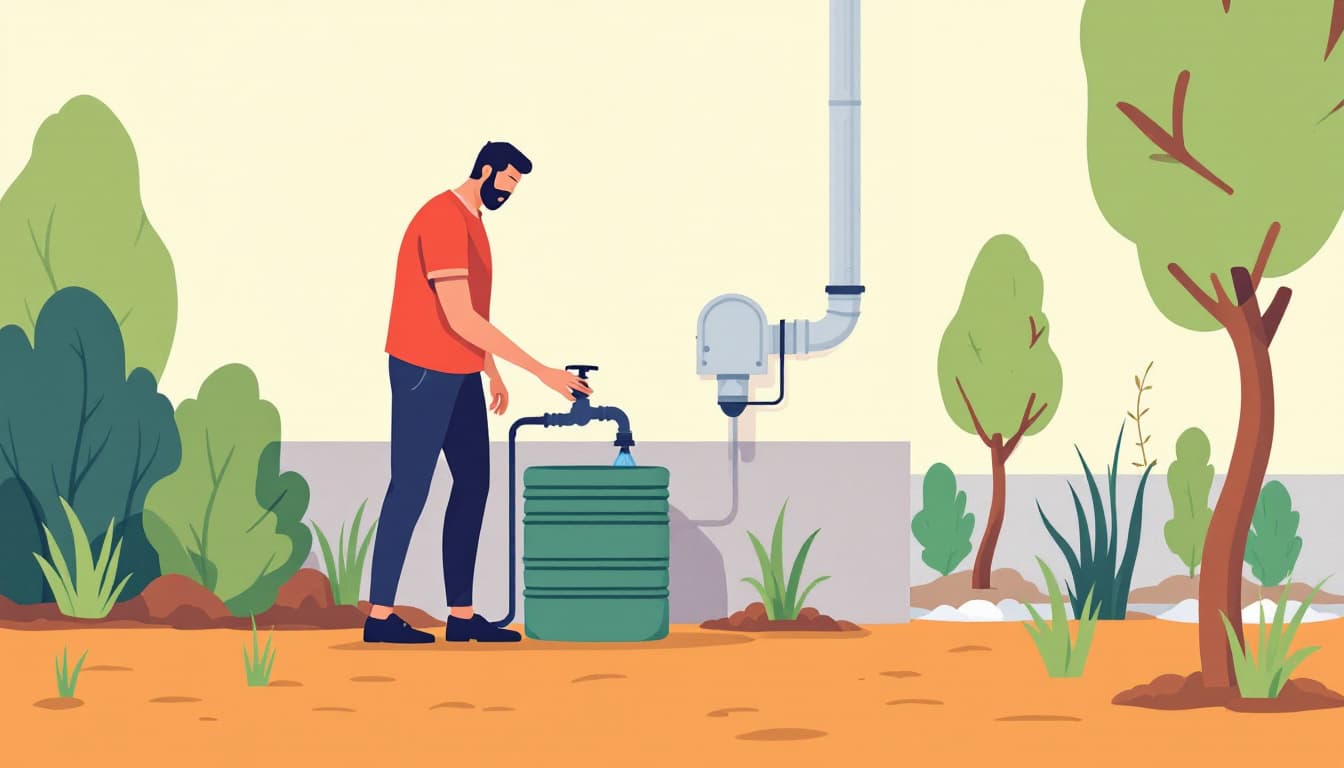
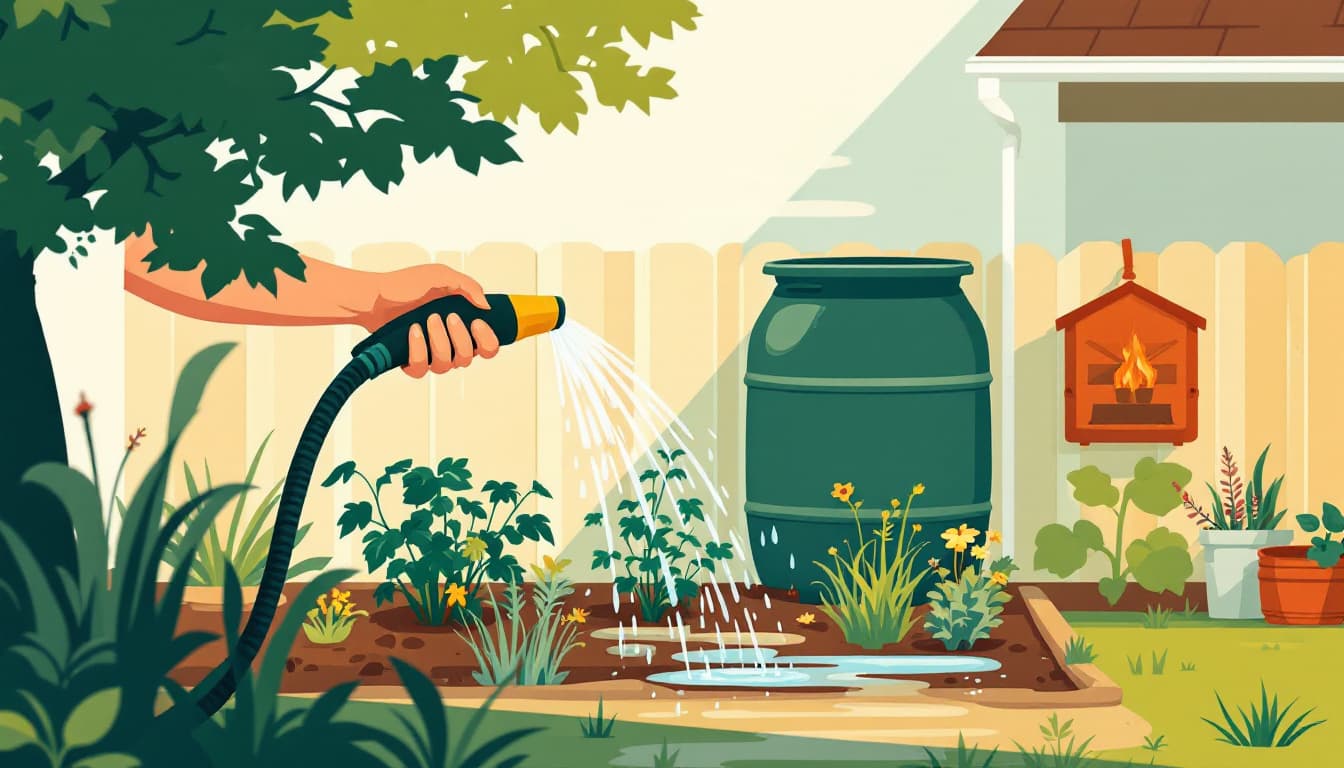
Residents interviewed by Rocky Mountain PBS described methods ranging from captured rainwater systems and greywater reuse to drip irrigation retrofits and xeriscaping conversions, as municipal water providers in communities along the Front Range and in Western Slope towns have moved to impose outdoor watering restrictions. Some water utilities have escalated to Stage 2 or Stage 3 drought restrictions, limiting outdoor irrigation to specific days and hours or banning it outright for certain uses.
The drought's reach into urban and suburban gardening reflects a broader stress on Colorado's water infrastructure that preparedness-minded observers track closely. Colorado sits at the headwaters of river systems supplying seven states, meaning prolonged drought here cascades downstream, but it also means the state's own municipal water systems — many of which depend on snowmelt-fed surface water rather than deep aquifer reserves — are among the first to feel supply pressure. The Colorado Department of Public Health and Environment (CDPHE) oversees drinking water system compliance, but during drought years the margin between normal operations and supply emergencies narrows substantially, and some smaller rural water districts have historically had little storage redundancy to buffer against multi-year dry cycles. Households relying on private wells in areas like the San Luis Valley or the high plains east of the Rockies face additional exposure, as groundwater levels in the Denver Basin aquifer system have drawn down steadily over decades without meaningful recharge.