Roughly 70 percent of the world's cobalt comes out of one country — the Democratic Republic of Congo — and a meaningful share of that flows through refining capacity concentrated in one other country, China. That geographic bottleneck has been flagged by researchers and logistics analysts for years, but a report this month from ScienceDaily puts sharper numbers on the fragility: a single significant disruption to cobalt supply could cascade into widespread EV battery production chaos, affecting automakers, grid storage projects, and consumer electronics simultaneously.
That's worth sitting with for a minute, because the household implications run deeper than "your next EV might cost more."
What's actually changing
The cobalt story is not new. What the ScienceDaily research adds is a clearer picture of how interconnected the failure modes are. EV batteries, laptop batteries, power tools, and stationary grid storage all compete for the same refined cobalt pool. When one sector surges — say, automakers racing to hit fleet electrification targets — it crowds out the others. A supply shock doesn't just raise prices linearly; it triggers hoarding, contract disputes, and production shutdowns that amplify the original shortage.
For families, the near-term effects would likely appear first in electronics replacement costs. A replacement laptop battery or power-tool battery pack that costs $60 today could spike significantly if a supply crunch hit mid-cycle. EV lease prices and used EV values would become volatile. Grid-scale storage buildouts, which underpin a lot of utility-level renewable capacity, could stall — affecting electricity reliability in regions that have been retiring fossil-fuel peakers without adequate backup.
The medium-term effect is subtler: it reinforces how dependent our household infrastructure has become on a mineral supply chain that crosses two geopolitical chokepoints. That's not an argument against EVs or electrification. It's an argument for thinking clearly about your own exposure.
What we'd actually do
Audit which of your household devices use lithium-cobalt batteries, and check their health now.
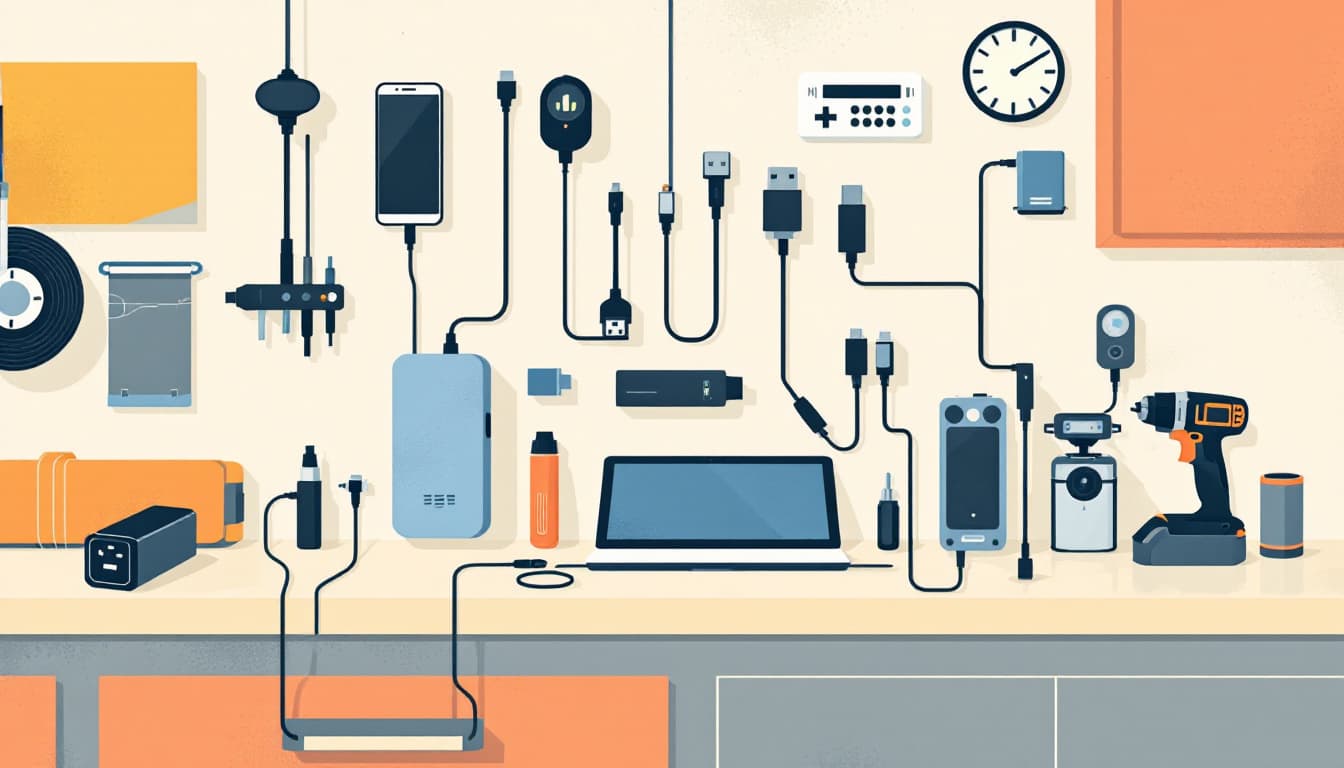
This means laptops, phones, power-tool packs, and e-bike batteries. Most operating systems have a built-in battery health report (Windows: powercfg /batteryreport; macOS: hold Option and click the battery icon). If a battery is below 80 percent capacity, replacing it during a period of normal supply is dramatically cheaper than replacing it during a crunch. A laptop battery typically runs $30–$80 today; that number climbs fast when supply contracts.
If you're in the market for an EV in the next 12–18 months, watch cobalt futures and automaker inventory reports as part of your timing decision. You don't need to become a commodities trader. A simple Google alert for "cobalt price" and a monthly glance at EV dealer inventory in your region gives you enough signal. Buying into a supply-constrained EV market on a rushed timeline is expensive; waiting six months for inventory to normalize can save thousands.
Don't over-rotate into panic-buying backup batteries or power stations right now. This is where preparedness culture tends to go wrong. Portable power stations — the kind that run a CPAP or charge phones during an outage — use lithium iron phosphate chemistry in most current models, not cobalt-heavy lithium-cobalt. They're less exposed to a cobalt shock. If you've been meaning to buy one for general resilience, buy it at your normal pace. There's no fire sale to chase, and no shortage to outrun today.
Think about your transportation backup options independently of the EV market. If your household runs one or two EVs and your regional grid has reliability questions, what's your plan for a multi-day outage that also prevents charging? This isn't about ditching the EV. It's about having a realistic answer: a neighbor with a gas vehicle, a workplace with Level 2 charging, or a modest portable battery that can at least keep a phone and a CPAP running. Single points of failure in transportation are worth mapping before they matter.
The bigger picture
Supply chain concentration in critical minerals is one of those slow-moving structural vulnerabilities that never quite becomes a crisis — until it does. The cobalt situation isn't uniquely alarming; it's one of several chokepoints (lithium refining, rare earth processing, semiconductor-grade neon) that all follow the same pattern: globally essential, geographically concentrated, politically underhedged.
The goal for a household isn't to solve that problem. It's to reduce your own exposure to the most predictable failure points, at low cost, before price signals make it expensive. That means knowing your battery health, not rushing major purchases during supply uncertainty, and keeping your options open rather than betting everything on a single energy infrastructure being available on demand.
Durability looks like flexibility. It doesn't look like a bunker.