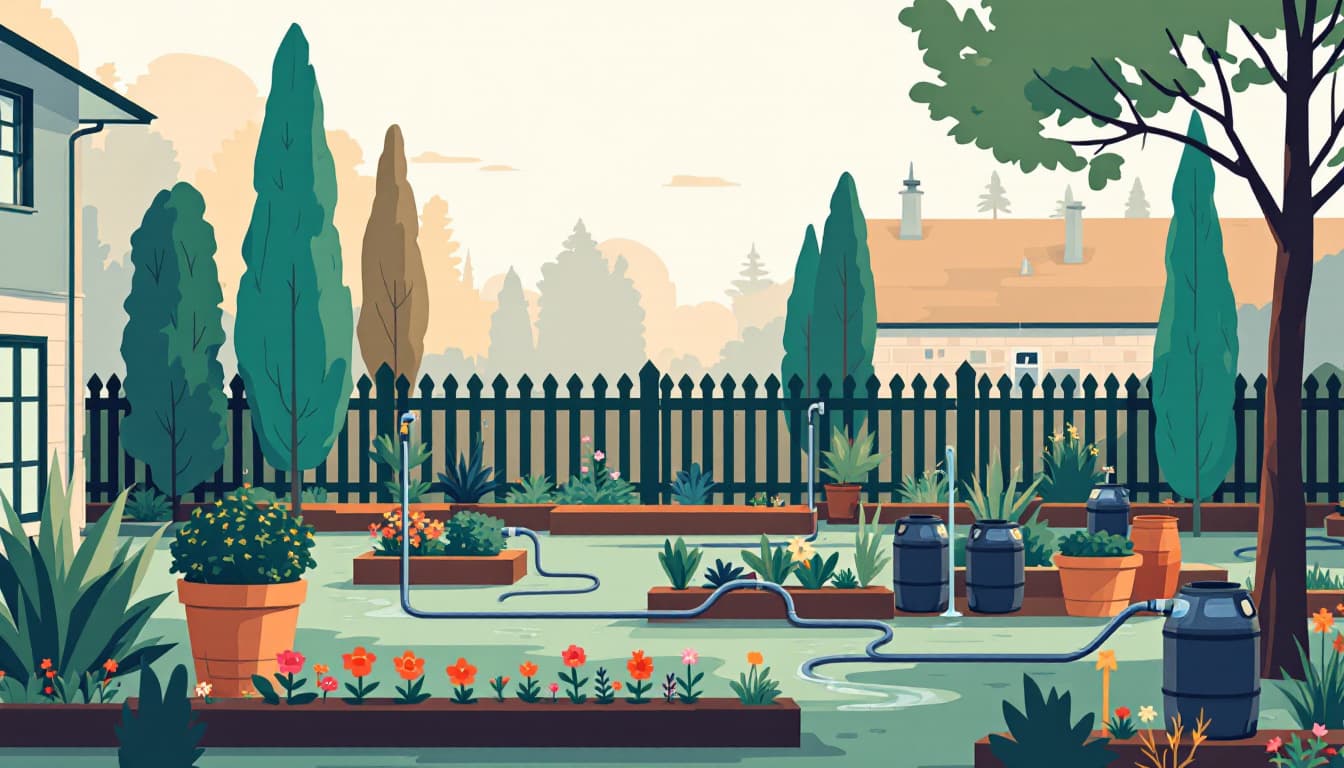
A report this week from Spectrum News highlighted how a Charlotte-based landscaper has been relying on rain barrel systems to sustain his business through ongoing drought conditions and water restrictions imposed in the greater Charlotte metropolitan area. The landscaper's use of collected rainwater has allowed continued irrigation work at a time when municipal restrictions have curtailed conventional water use for outdoor purposes.
Charlotte sits in the Piedmont region of North Carolina, a zone that has faced recurring drought stress in recent years. The city's water supply draws heavily from Mountain Island Lake and Lake Norman, both part of the Catawba River chain managed in coordination with Duke Energy and the Charlotte Water utility. When lake levels and rainfall deficits trigger restriction tiers, outdoor water use — particularly commercial landscaping — is among the first categories limited under Charlotte Water's drought response protocols.
North Carolina's Department of Environmental Quality (NCDEQ) tracks drought conditions in coordination with the U.S. Drought Monitor, and the state's western Piedmont airshed and watershed systems have shown vulnerability to multi-week dry stretches that can rapidly move reservoir levels into advisory or restriction territory. The Catawba-Wateree basin, which supplies water to communities stretching from the North Carolina mountains through the Charlotte metro and into South Carolina, has a documented history of tension between municipal demand, hydroelectric operations, and agricultural and commercial users during low-flow periods. Rainwater harvesting, while relatively modest in individual volume, represents a documented method some commercial operators in the region use to maintain partial operational capacity without drawing on restricted municipal supplies. North Carolina law permits rainwater collection for outdoor non-potable uses without a permit, a regulatory posture that distinguishes the state from some others with stricter capture rules.
For those tracking water resilience at a practical level, the Middle Class Prepper review of residential and small-commercial rain collection systems offers a grounded look at the capacity math and storage considerations that determine whether barrel-based collection is a meaningful buffer or mostly symbolic in a prolonged dry period.