CBC News reported this month that the Canadian federal government has unveiled a national nuclear strategy targeting up to ten new reactors by 2040. The stated driver is straightforward: AI data centers, electric vehicle charging, and industrial electrification are arriving faster than existing grid capacity can absorb them. Nuclear is the only dispatchable zero-carbon source that can be scaled to meet that load.
That's a policy story. But buried inside it is a household story that nobody is writing.
What's actually changing
The grid your home plugs into is being redesigned for a demand profile that didn't exist five years ago. AI compute loads alone are pulling extraordinary amounts of power from regional grids across North America. Canada's announcement is a response to that pressure — not a speculative bet, but a reactive one.
Here's what that means in practice for families on either side of the border:
Electricity prices will stay volatile for the next decade, then stabilize. Building ten reactors is a 15-year construction cycle, minimum. During that window, grid operators will be absorbing new industrial loads with existing generation and patched-together renewable capacity. Rate volatility — seasonal spikes, demand-charge adjustments, time-of-use pricing expansion — is the expected near-term environment. The long-run promise of nuclear is cheap, stable baseload. The near-term reality is friction.
Grid reliability events will increase before they decrease. More demand plus aging transmission infrastructure plus a construction labor shortage is not a recipe for smooth delivery. Recent data from North American grid reliability organizations shows reserve margins tightening in several regions. That is not catastrophe. It is manageable — if your household treats it as a planning input rather than a surprise.
The energy transition is now an AI story. This is worth naming clearly. The nuclear push isn't primarily about climate targets. It's about powering the compute infrastructure that governments and corporations have decided is strategically necessary. Families are not the demand driver here. But families live on the same grid, and they will share both the costs and the outages.
What we'd actually do
Lock in a rate or plan where your utility offers it. Many utilities in restructured markets allow residential customers to choose fixed-rate or budget-billing plans. Call yours and ask. A fixed rate insulates you from the volatility window described above. It is not always cheaper, but it is more predictable, and predictability has real household value.
If your utility offers time-of-use pricing, model it against your actual usage pattern before opting in. Families with flexible load — EV charging, dishwashers, laundry — can save meaningfully by shifting consumption to off-peak windows. Families with rigid schedules often don't. Know which one you are before signing up.
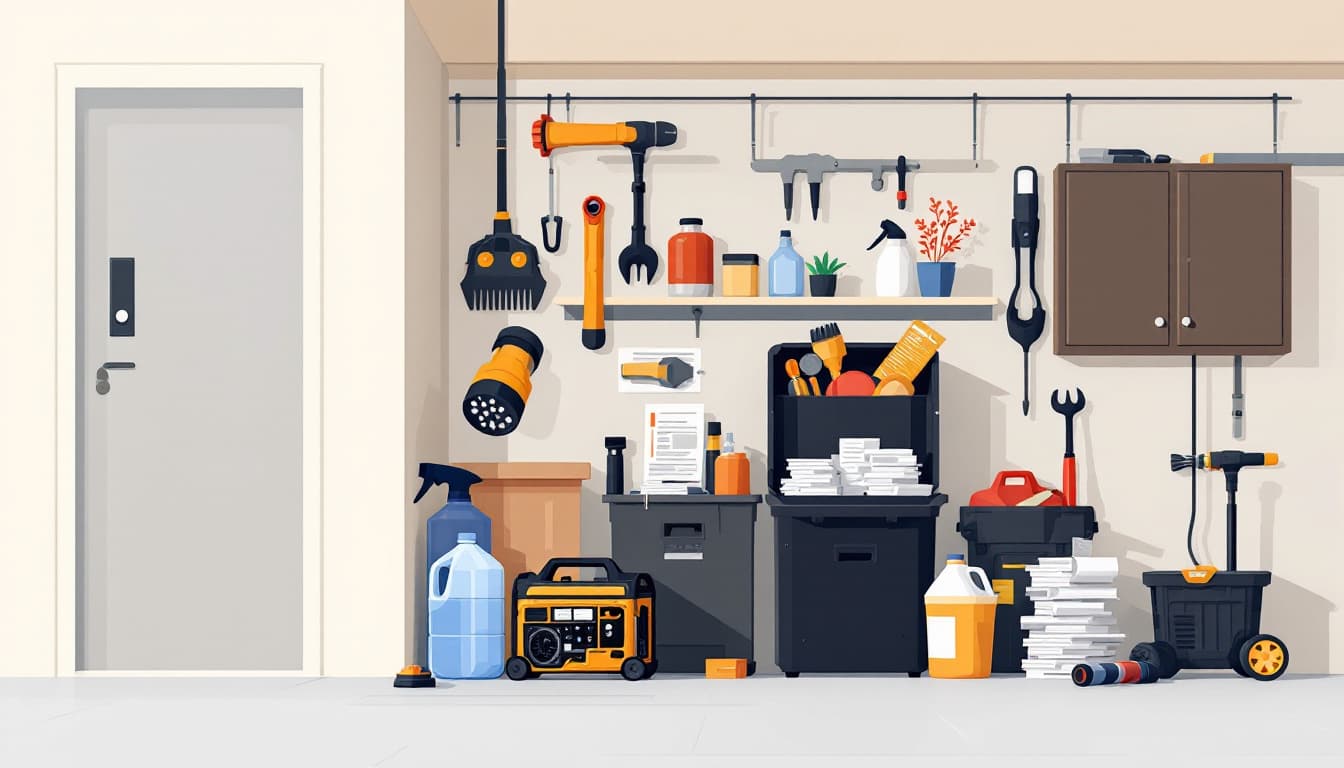
Treat a 72-hour power outage as a routine planning scenario, not a worst case. The grid is not failing. But the probability of a 1-3 day outage in any given year is rising in many regions, not falling. A $40 battery station, a full freezer (thermal mass is free), and a manual can opener are not doom-prepper gear. They are the difference between an inconvenient Tuesday and a genuinely disruptive week.
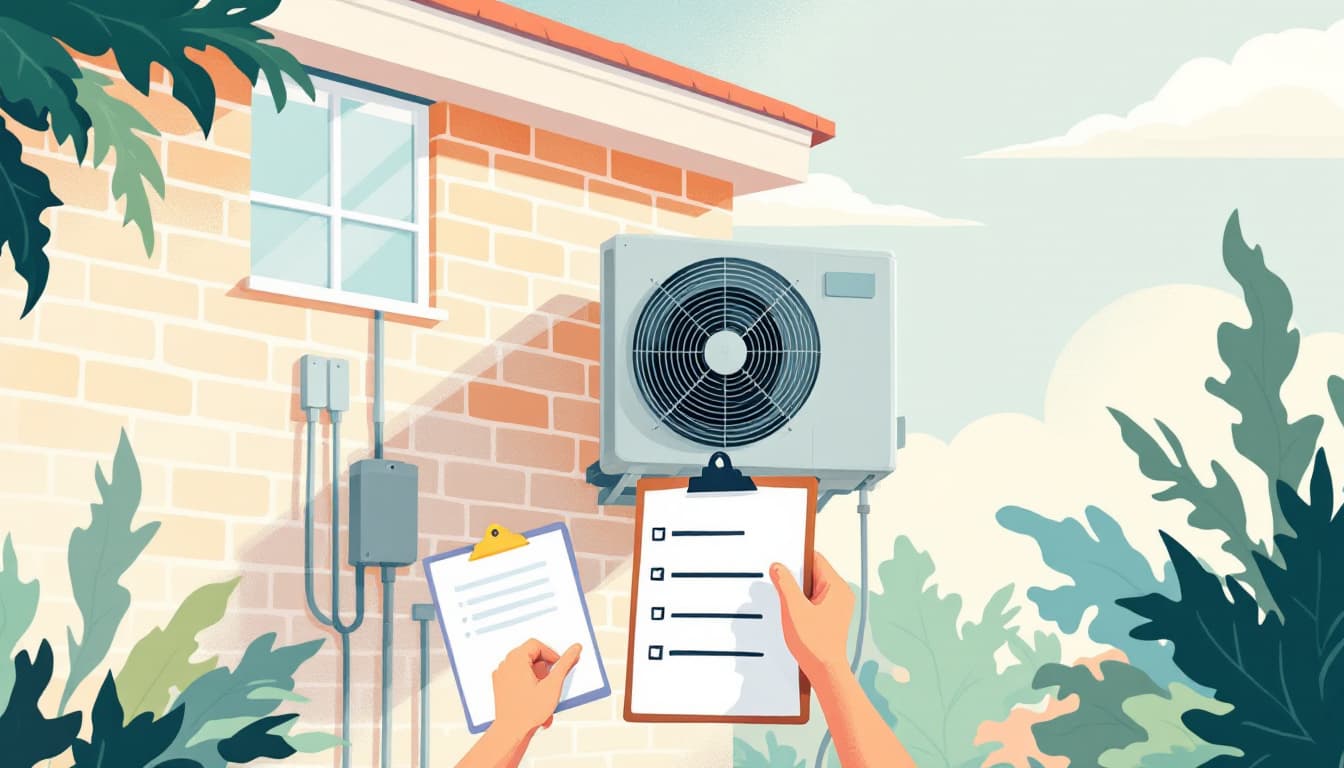
If you own your home, get an electrical audit before 2028. The push toward electrification — heat pumps, EV chargers, induction ranges — is real and accelerating. Utility programs subsidizing panel upgrades and home electrification are active now and may contract as grid pressure mounts. An audit costs $150-300 and tells you what your panel can actually support. Do it while incentive programs are still funded.
Watch your local utility's integrated resource plan. Every regulated utility files one. It is public. It tells you what generation sources they're planning to rely on, when, and at what projected cost. Most families have never read one. If you spend 30 minutes with yours, you will know more about your household energy exposure than 95% of your neighbors.
The bigger picture
Canada's nuclear announcement is not a reason to panic-buy a generator. It is a signal that the energy infrastructure underpinning daily life is entering a sustained period of redesign — driven by AI compute demand, electrification policy, and decades of underinvestment in transmission. Families who treat that signal as a planning input will make better decisions about appliances, home upgrades, utility plans, and backup capacity over the next five years.
Durability is not about having the right gear for the worst day. It's about making decisions in calm moments that hold up when conditions get complicated.